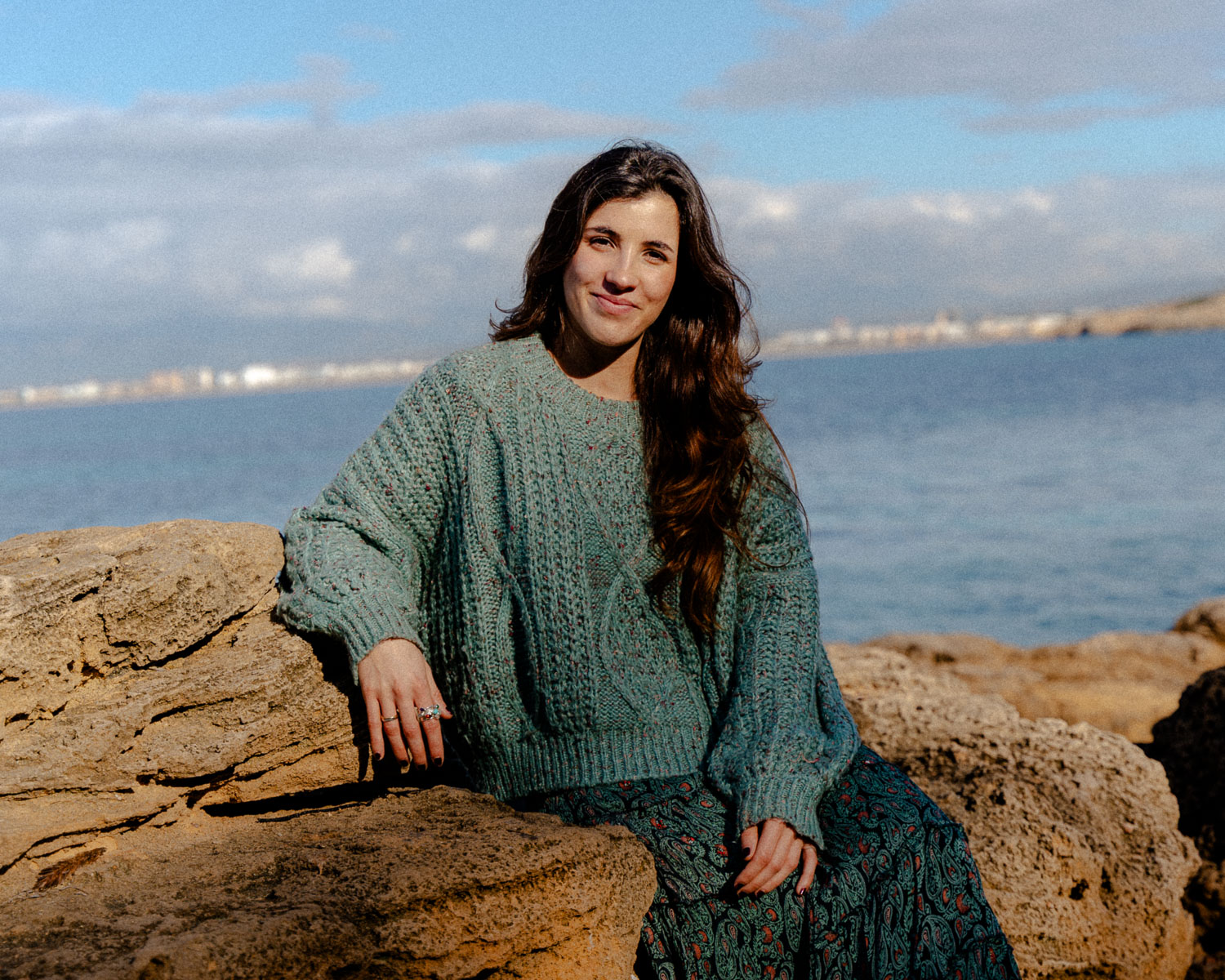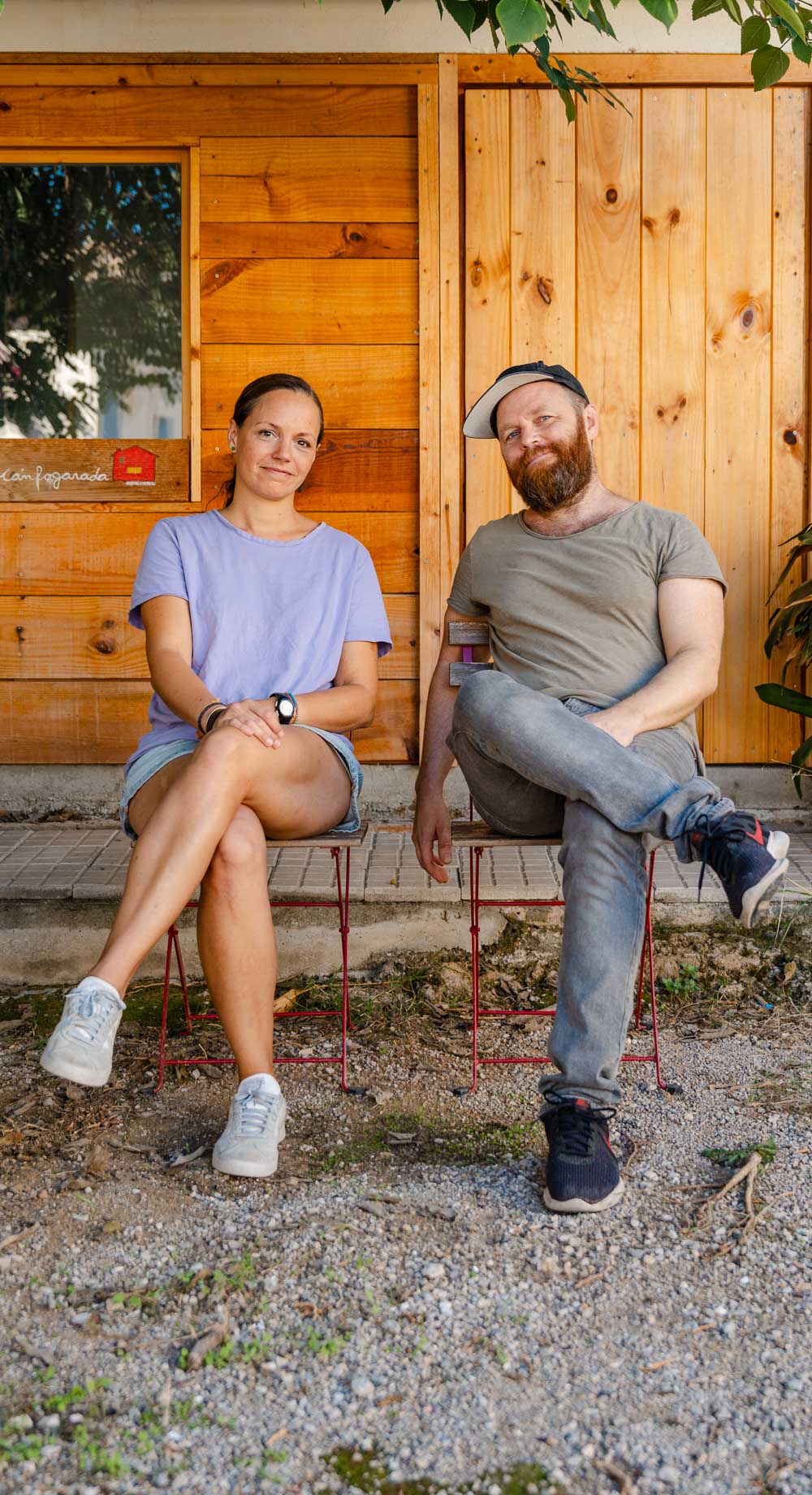
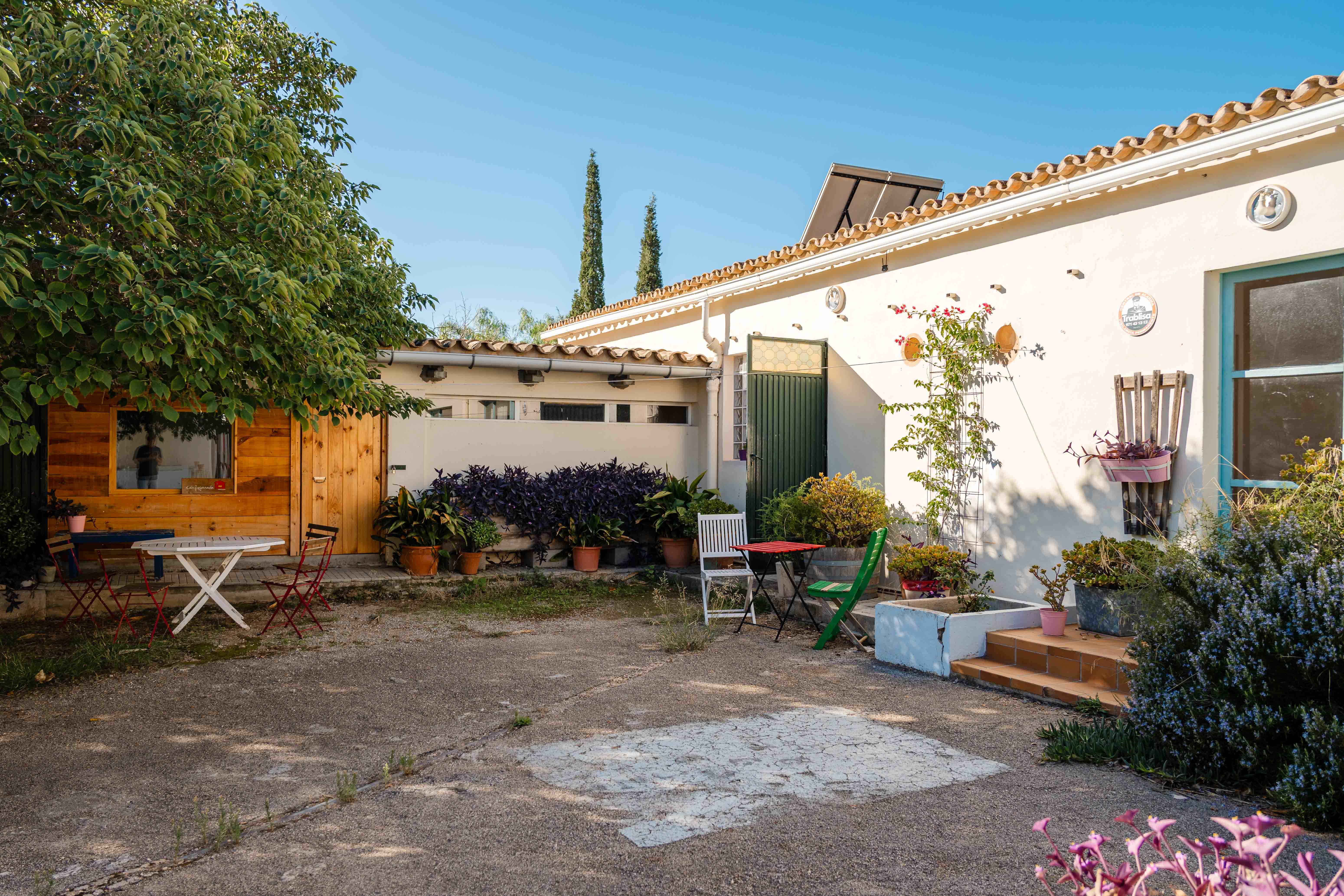
Among the trees that shelter Ca'n Fogarada's courtyard, Maria reminisces the time when the idea of creating a center focused on creative expression was born: "It started in 2011. My husband (musician Marko Lohikari) and I were living in Barcelona, but this house already belonged to my great-great-grandparents. It was half abandoned and we decided to come here".
At the beginning, at Ca'n Fogarada, Maria offered classes and music sessions for babies, but, of course, "as the children grew, we had to adapt". Thus, the center was expanding its educational offerings as the couple was fine-tuning the different spaces of the house, a home in which they live with their three children.
In fact, it was the little ones, says María, who inspired her to diversify the classes: creative dance, yoga, theater and many family activities, always designed "with a different perspective, focused on the experience and natural internalization through the creative process". Word of mouth worked, the first course ended with 60 students and, over time, they reached 150.
The classes at Ca'n Fogarada were complemented by a coworking space oriented to creative entrepreneurs. However, with the arrival of the pandemic, most of the center's teachers reoriented their careers and only four people remained in the shared workspace. It was time to rethink and María, tenacious, adapted to adult students, a change that "is now beginning to take hold because at that time we were very focused on families and babies, and it was complicated to manage with the health measures derived from Covid 19".
"Suddenly the atmosphere was very creative and dynamic".
During the confinement, with ten years of experience teaching music classes behind her, Maria decided to "record everything to be able to offer online classes. A trial-and-error method" in which nature - and its slow pace - inspired her. The result? An online school where you can study ukulele initiation and musical stimulation and where "the process is what matters".
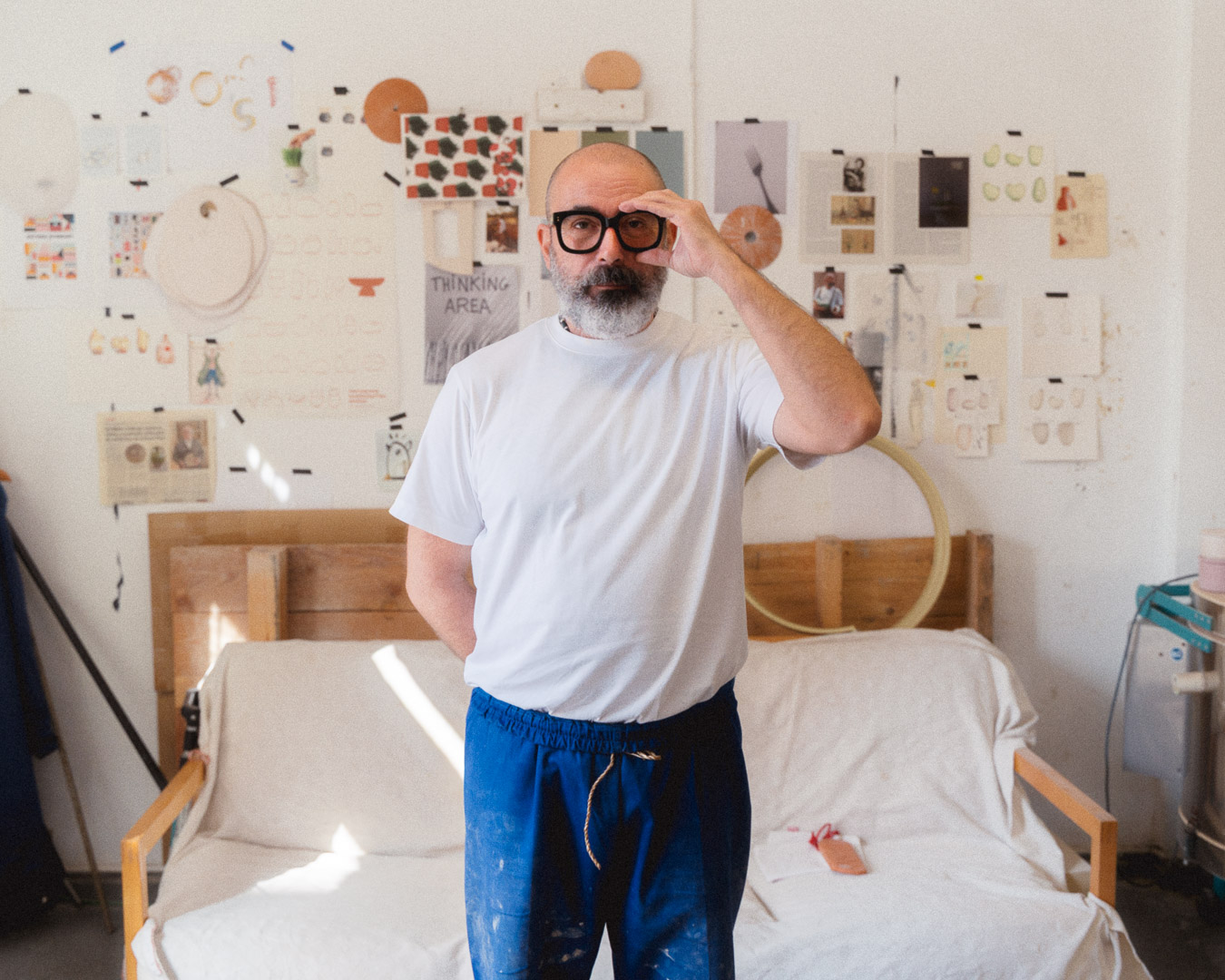
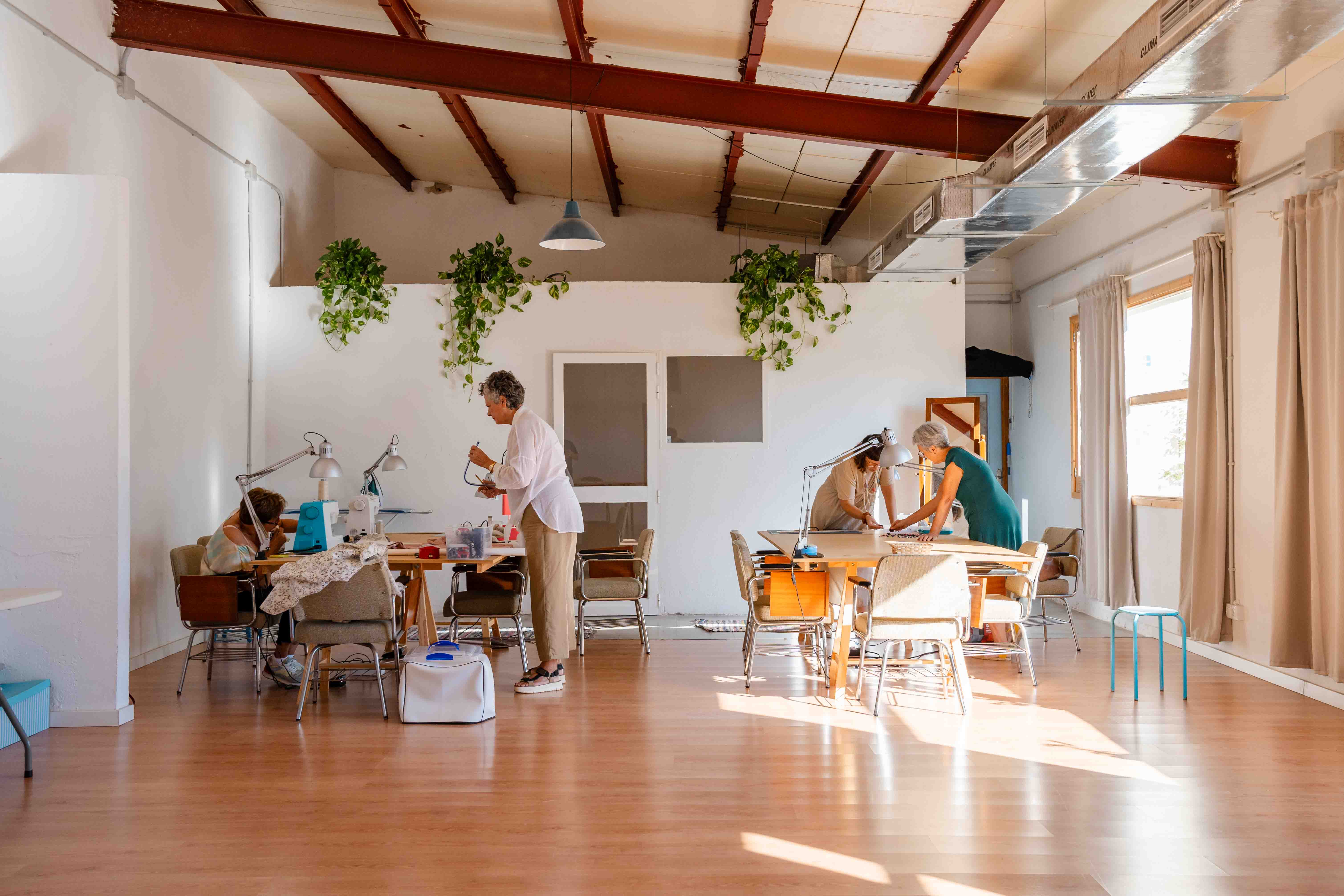
With the worst of the pandemic over, the coworking space came back to life. In February 2022, Monica entered, with her project Costureo Lab, and women of very different age ranges began to come to Ca'n Fogarada. "Suddenly the atmosphere was very creative and dynamic", smiles María. This momentum has not stopped growing since then. New projects have come to stay and, above all, to share, creating synergies between new coworkers. So much so that María has even ended up working with them in their space.
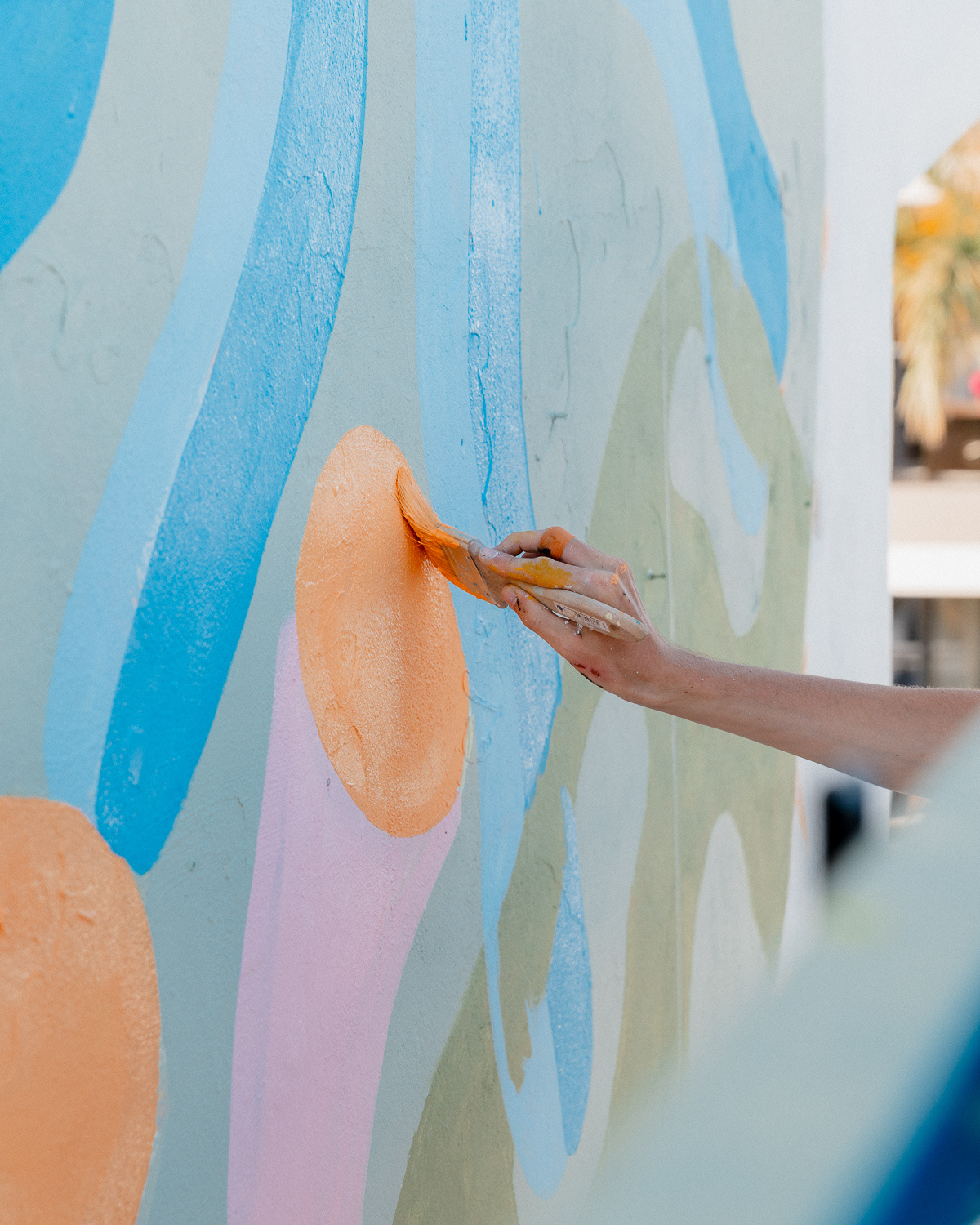
Currently, workshops, music and coworking coexist: fifteen teenagers still attend the piano and ukulele classes taught by María, but the space has focused on "artistic experiences by the same people from the coworking". A good fortune that has made it possible to broaden the profile of students and raise the level of creativity at the center. "Now we have botanical printing, sewing and clothing customization workshops through art with The Bleuve," she explains enthusiastically.
As if that wasn't enough, at Ca'n Fogarada there is also space for a recording studio where Marko has produced his own album. "The idea is to be able to record anything: music, meditations, podcasts... and we also have a grand piano." And this house seems to be destined to transform continuously, decade after decade. The house, which belonged to Maria's great-great-grandparents as early as 1850, was a bar and a sort of inn almost two centuries ago. "It was halfway between the center of Palma and Puigpunyent, and people who went to the city on horseback used to stay here to sleep the night”.
"Getting Ca'n Fogarada ready was like bringing the house back to life".
Then, Maria's great-grandfather closed the bar to work the wheat with a mill - in a context marked by the civil war and smuggling - and, later, her grandfather, "who was very enterprising", set up a tile company. Now in the hands of her father, he rented it and the house became a materials laboratory. A curious story in which Maria has dived since she decided to move in because, she confesses, when she was a child she was never here. Layer by layer, she says, "getting Ca'n Fogarada ready was like bringing the house back to life".
Versatile, open and welcoming, Ca'n Fogarada has many lives and the current one is exciting. Turned into a laboratory for creative connection, the project invites adults to connect with their creativity and Maria, she confesses, likes where they are heading: "maybe I would like to have a bit more people in the coworking space to create more synergies and focus more on management; if the space is more profitable it will allow us to focus on taking care of it and offer more artistic experiences and concerts".
Restless and passionate, Maria's gaze is set on several places at once. However, the prism through which she looks is the same: culture, in any of its aspects, but always from the point of view of experimentation, enjoyment, play and experience. And open to everyone, open to the world. Like her home.