Today, plastic accounts for 95% of the waste floating in the Mediterranean. In fact, according to a WWF study, 1.25 million microplastic fragments are concentrated per kilometer in the waters that surround us. Ayelén Bosch corroborates this: “It is one of the most polluted seas, even though it covers less than 1% of the world's marine water,” and points to some of the causes: tourism, maritime transport, intensive fishing, and heavily urbanized coastlines along nearly its entire shore have turned it into a sea with “very little room to regenerate.”
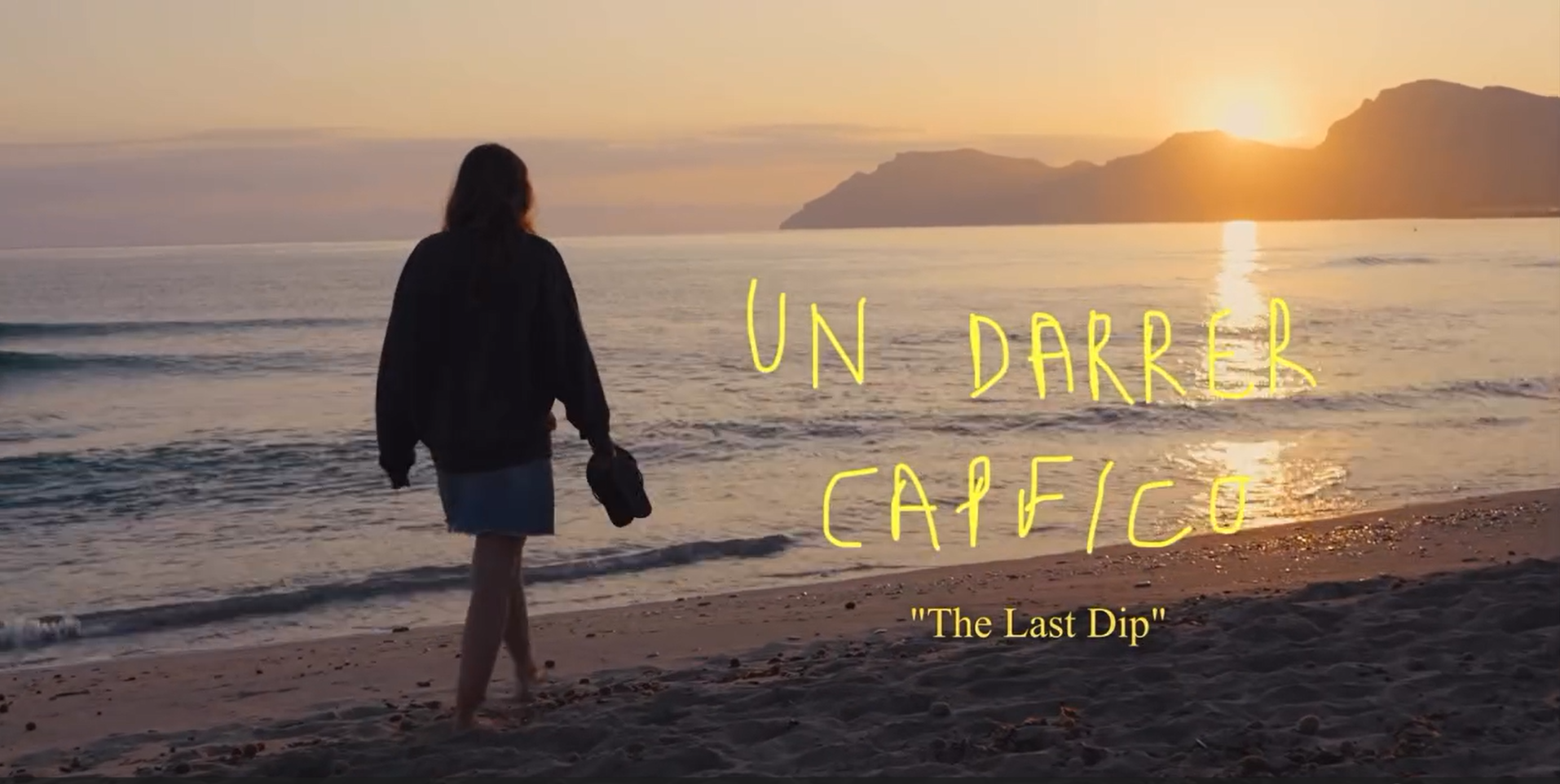
Although the “crisis is real and leaves no room for indifference,” Un darrer capfico does not embrace defeatism or fall into alarmism. On the contrary, it is a kind of beacon that calls for individual awakening by highlighting the power of cooperation. 'Human beings have an extraordinary capacity when they unite: to organize, demand change, create networks, transform habits, and shift structures that once seemed immovable'.
The documentary reflects Bosch's perspective, featuring testimonies from people who, from different approaches and disciplines—art, innovation, entrepreneurship, and ecosystem restoration—are working to reverse the situation. Artist Julià Panadès, who transforms plastics collected from beaches into sculptures and totems; Francisco Panario, founder of Up Sailing; and Rocío Taberner, who develops sustainable, non-toxic surf wax, are some of the faces appearing on camera to contribute to a piece that was filmed without external financial support.
"One of the most valuable aspects of this project has been working with people who believe in the same vision."
"One of the most valuable aspects of this project has been working with people who believe in the same vision. It is an example of how, when several people combine their talents for the same purpose, the work becomes richer, more complete, and more authentic," says Bosch, who also met during filming with marine scientist Gador Muntaner and the heads of the NGO CleanWave, both of whom are deeply committed to environmental conservation.
Despite the collective lens that shapes the film, Bosch does not miss the opportunity to remind us that commitment begins with oneself. "As individuals, we have to understand the situation - which is already irreversible- and then treat nature as our home. We cannot hide behind the excuse of what will happen in 5 or 10 years. We are already seeing it now,“ she reflects. ”Beyond global international agreements, we have to start with the basics. Bringing your own reusable bag, stopping the purchase of single-use bottles, and looking at the labels on the clothes we buy,“ she points out, are ”small gestures that have a huge impact."
“Always instilled in us that we are not the owners of the environment, that we are lucky to live in it and must treat it with respect.”
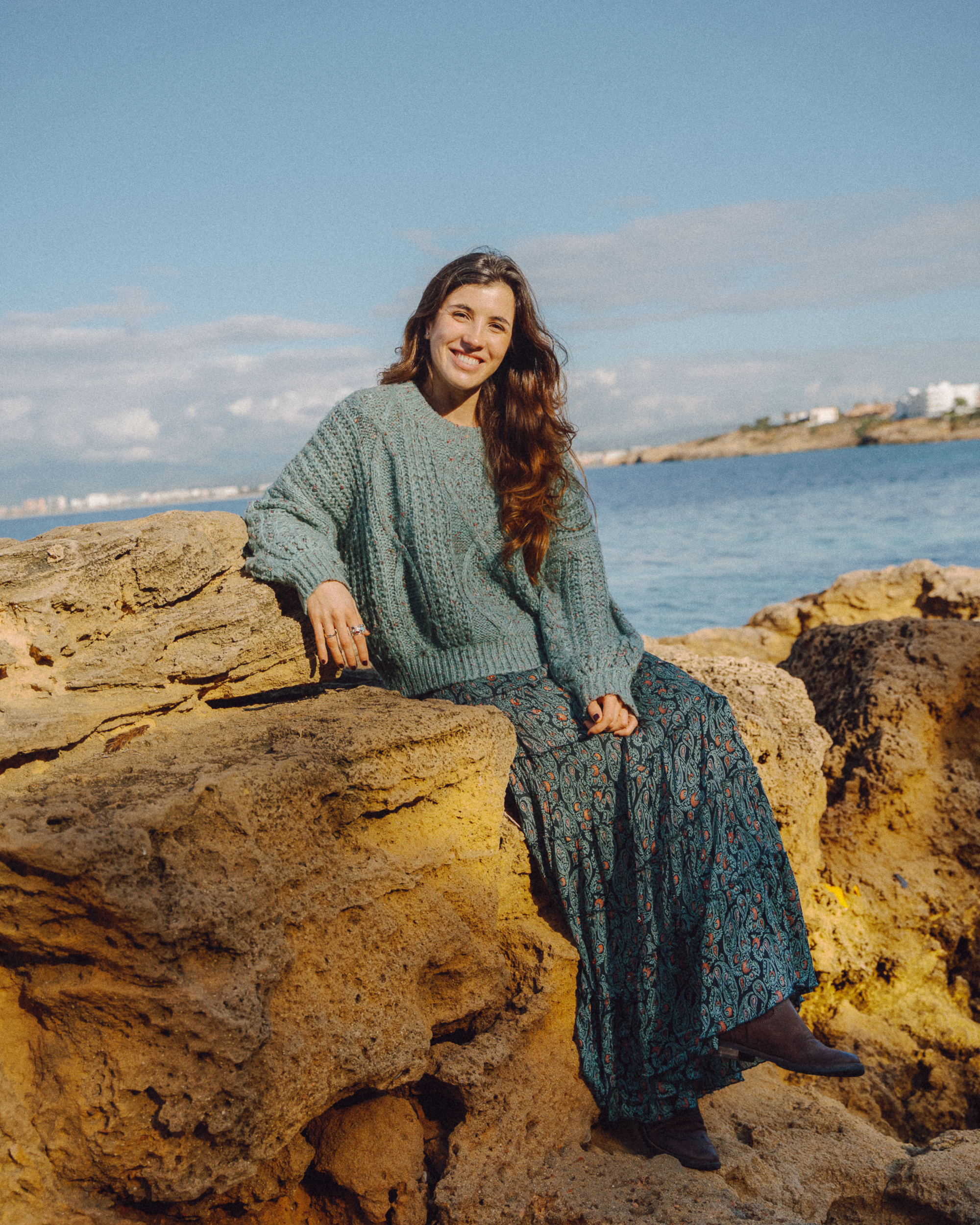
Bosch was born in Mallorca and inherited her love of nature from her father, a surfer who “always instilled in us that we are not the owners of the environment, that we are lucky to live in it and must treat it with respect.” However, her studies took her in other directions. She moved to London and studied Fashion Marketing and Management, a decision that, unbeknownst to her, would connect her even more to nature.
Sensitive and passionate about storytelling, she eventually pursued a master's degree in sustainability after seeing firsthand the environmental impact of fast fashion. Suddenly, the opportunity arose to develop a final project aligned with her life's purpose and with absolute creative freedom. The sea became the central theme, and video the ideal format to “act on my values and connect with something bigger than myself, which is caring for the sea and the life it sustains.” The result, Un darrer capfico, will premiere on February 26 at the Palma Aquarium Foundation.