Currently, the focus of Save the Med is projected on two aspects: the regeneration of the marine areas of Formentor and Sa Dragonera and the reduction of the use of plastics that end up in the sea because, as Estela Fernandez, head of communication, tells us, "conserving and recycling is no longer enough. The first step is to prevent and find alternatives".
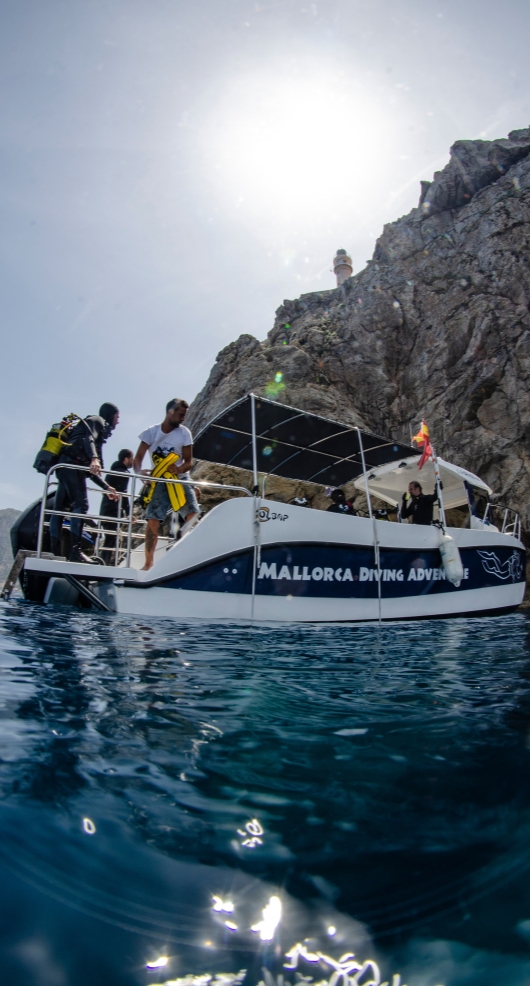
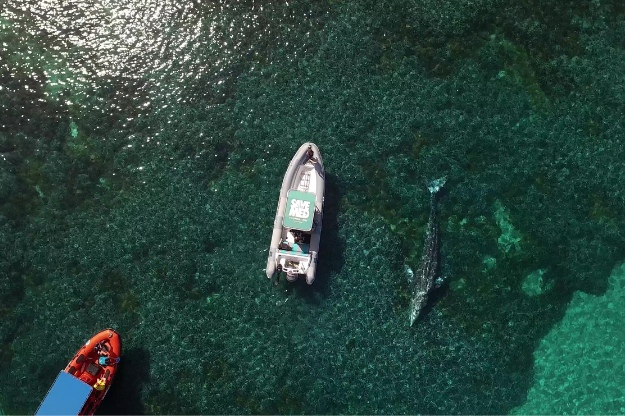
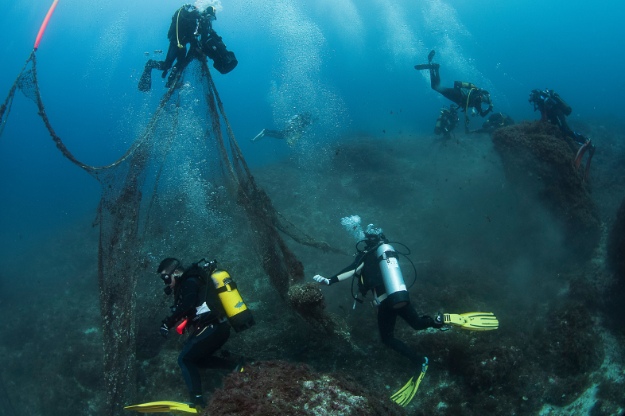
The marine regeneration of the Formentor area, which covers 26 kilometers of ecosystems from Punta Beca to the Formentor lighthouse, is an ambitious but motivating process. The scientific team of Save The Med is working with the Arrels Marines Foundation in an integrative plan that unites science, dissemination and commitment and invites all sectors involved to join the cause. The project is open because, as Yaiza Santana and Patricia Puerta explain, "it is important that fishermen, institutions, the nautical sector... all get involved in a process that started from scratch to achieve the commitment of all parties".
Save the Med's other fight aims to reduce the volume of plastic we consume on a daily basis at an individual and corporate level. To this end, within the framework of the Balears sense plàstic initiative, the organization diagnoses the situation of the companies that use them and produces a report that serves as a basis for moving towards a way of doing without plastics. Their guide to honest alternatives to single-use plastics for HORECA companies, which they wrote together with IbizaPreservation, is the beacon for many business organizations that want to reduce or even eliminate plastic in their day-to-day business. "The companies that come to us are already motivated, but it is interesting to see that the more they advance, the more their commitment and desire to improve grows," says Tupa Cárdenas.
In this challenge, greenwashing is a front to be fought through reflection and information. "Not all plastics are recyclable and not all bags are biodegradable and, therefore, cannot be processed together with organic waste, but many people are unaware of this. It is, in short, misleading marketing," they say.
"We have to break the current consumption model, because it generates a great impact on our environment".
The consumption model that prevails today is another paradigm that they question. A volatile system, subject to the rush and governed by the pattern of use and throw away. "Disposable products, apparently respectful of the planet, are sold as an alternative to plastic, but do we really need a product that we barely use for a few minutes like a coffee cup to take away or a straw to drink?" reflects Cardenas. Here's the key. "We have to break the current consumption model, the one to which we have become accustomed because we live at a frenetic pace, but which generates a great impact on our environment," he continues.
This is not a trivial issue that, in reality, we can all change with small gestures. Although it may seem paradoxical, the point is to go backwards for a more sustainable future. Buying only what we need, buying local produce, opting for bulk food or always having bags at hand are alternatives that we have within our reach. However, from Save the Med they propose other ideas, still new in Mallorca, such as the creation of consumption groups. In these, the people involved organize themselves to buy directly from the producer only what they need, thus minimizing food waste and dispensing with packaging and resulting in a reduction of the environmental impact.
The younger generation also has a lot to say in this regard, not only because they are the future, but also because children and teenagers are becoming increasingly aware and have a lot of information just a click away. The Dos Manos educational project is an educational tool with which Save the Med invites young people to take part in three-day sessions in which they reflect on how plastic affects the marine environment and people.
"We are excited to see that younger people are getting involved in the projects and are interested in finding out how they can contribute to the cause."
The program invites them to be an active part of the solution and encourages change through creativity and playfulness: during two days, a challenge is identified, for which possible innovative solutions are explored, and an excursion is made to the beach to learn about the problem on the ground. Afterwards, the teams that present the most impactful projects can join the Save the Med team on a marine mission. "We're excited to see that they get involved, that they have a lot of questions, and that they're becoming more and more interested in finding out how they can contribute to the cause."
Although there is still a long way to go, it is clear to Save the Med that combining short-, medium- and long-term actions is essential, as well as opening spaces for reflection and information points accessible to ordinary people and also to companies. "Much progress is being made in this regard because the Waste Law of the Balearic Islands is pioneering, courageous and ambitious. A framework that other communities would like to have," they tell us.
Among so many purposes, it is odd but also hopeful that when asked what achievement they would highlight in their career, they choose the alliance they are weaving between different NGOs. "For a long time, each one has gone its own way, but now we collaborate instead of competing, and that pushes us further. As for the challenges of the future, they are also clear: to continue working in the areas of Formentor and Sa Dragonera, to awaken collective awareness and involve the whole community for a cause that, after all, is the cause of all of us.