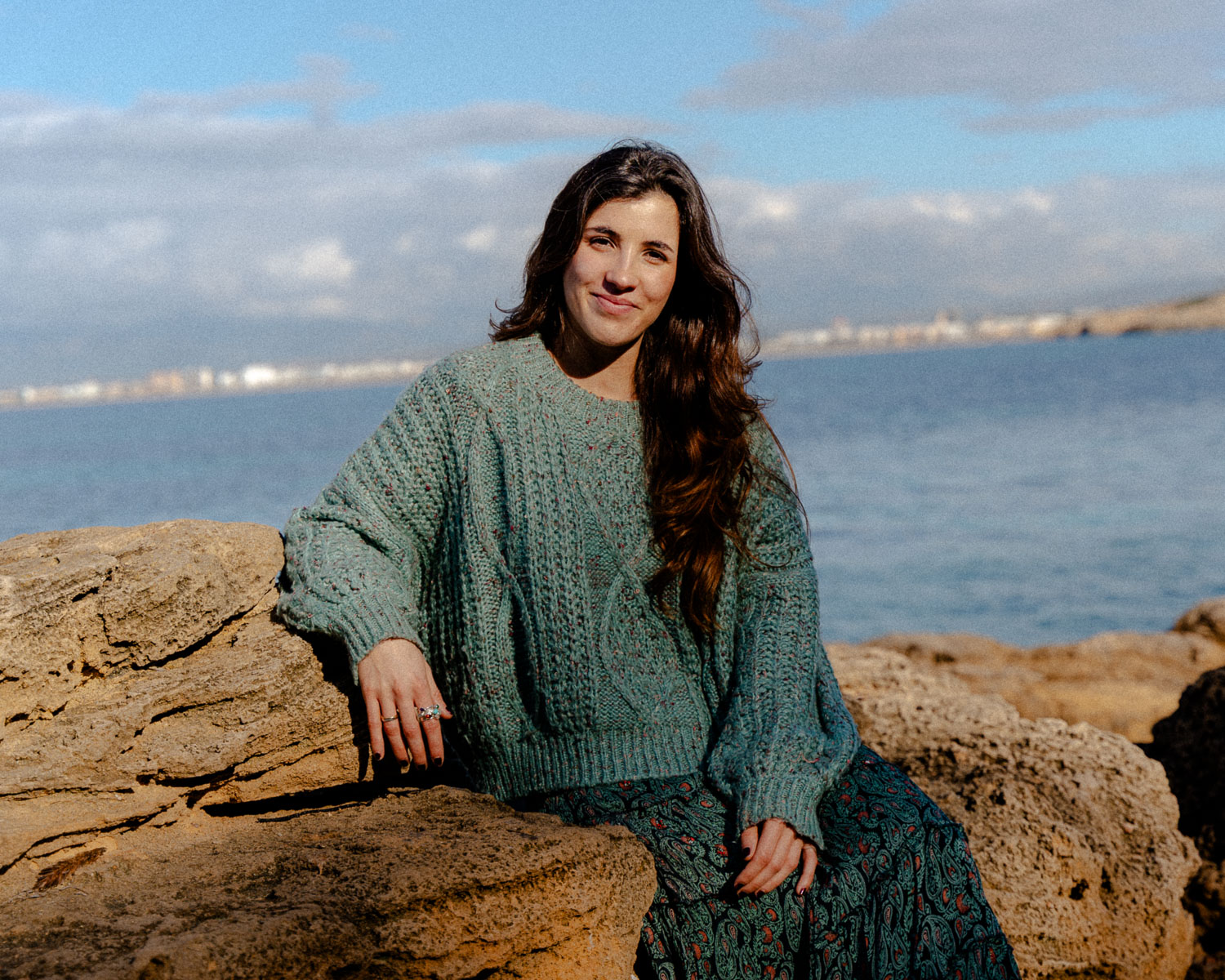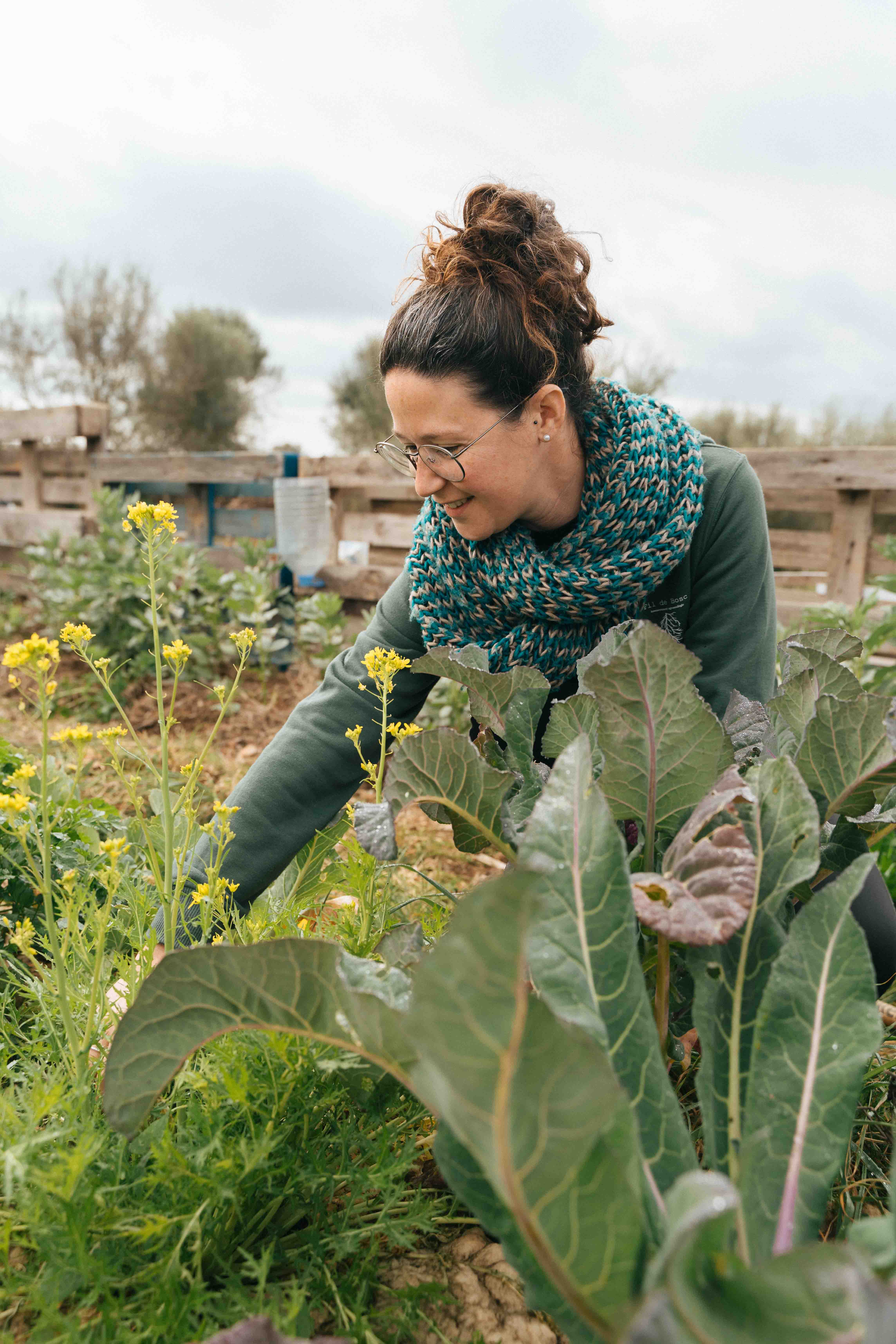
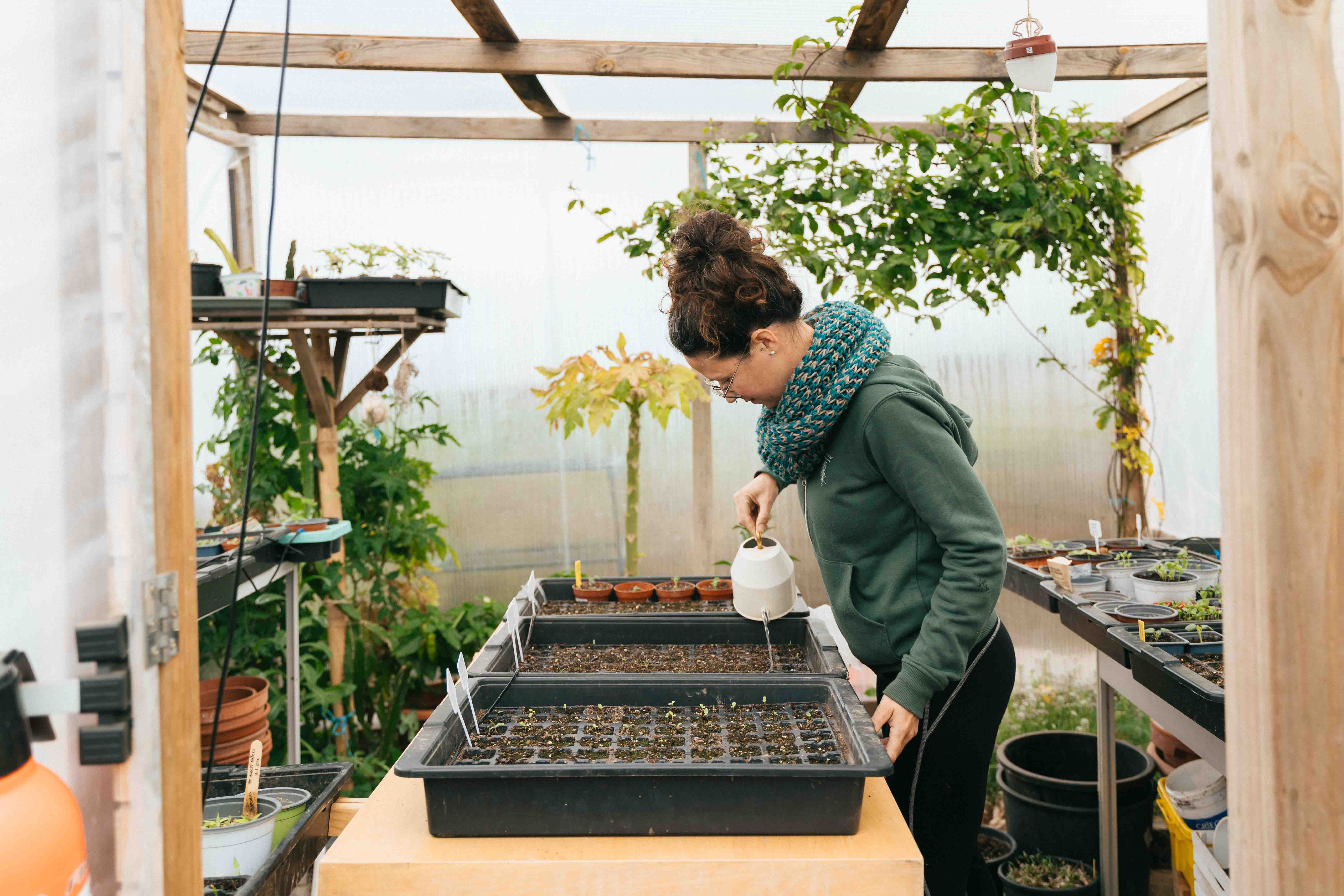
In a small agricultural garden located on the outskirts of Sencelles, Sara Lechuga contributes, with her daily work, her personal bit to the -uncertain- future of agriculture. She works as she talks: calm and warm, but with conviction, and with her feet -and her hands- on the ground. Linked to nature since she was a child -all her grandparents have been farmers-, throughout her professional career, Sara has been involved in rural development and resource transformation projects in the Canary Islands, South America and Asia. Now, between Mallorca and Menorca, she promotes Fil de Bosc, a project that she shares with us while surrounded by the singing of the birds and the ringing of the bells of the sheep in the farms nearby.
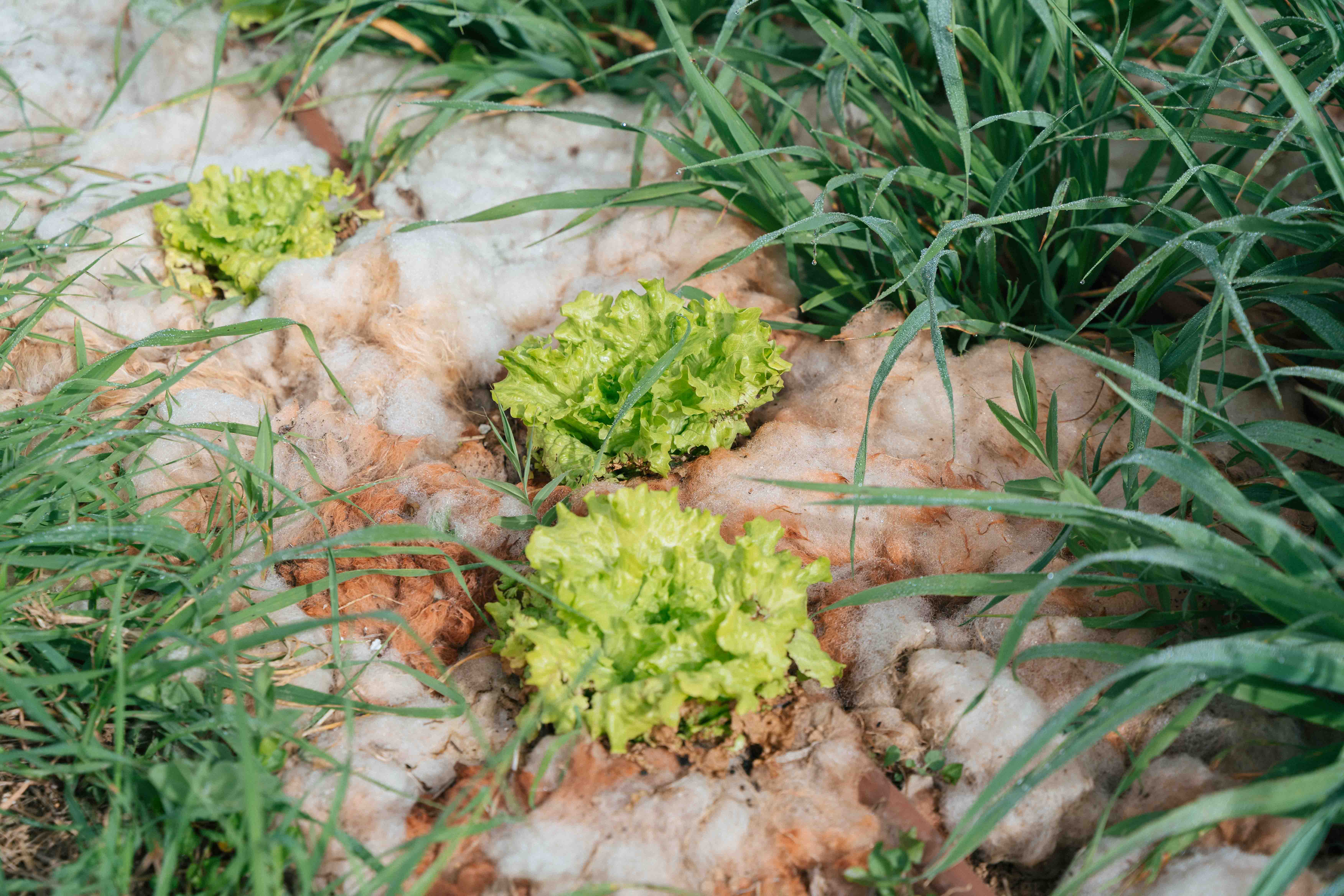
Before Fil de bosc took shape, Lechuga managed edible gardens, 'which is nothing more than identifying the needs of families and designing a garden so that they have an edible space within their reach', but after studying a master's degree on agroecology, food sovereignty and development in the Canary Islands and facing her final project as a challenge 'that should generate a positive impact on the territory', she began to investigate the possible uses of wool. I saw that as an agricultural solution it was very good. A natural fertilizer that gives an outlet for the wool that is not used and that for the farmer happens to be a a problem'.
So now Fil de bosc combines both lines of work: on the one hand, with the intention of bringing people closer to nature from a respectful point of view, it designs gardens -dynamic, aesthetic and productive- that favor food sovereignty and make us more aware of the processes behind each food we eat. On the other hand, she transforms waste into resources, such as wool or blackberry, two composts full of benefits for the land.
'Something I like very much is to bring agriculture closer to the people through simple terminology. I'm not a graduate, I don't talk in complex terms that make people miss out on the information.'
Despite the many benefits of wool, historically it has been considered animal waste, Sara says, so only authorized people could treat it. However, thanks to the research, it has been possible for the Balearic Islands' own farms to process it and make use of it, "an important step for the rest of the territories". In a pilot project promoted by the University of the Balearic Islands, Sara has developed eight composting systems for eight farms in order to check how they work in each one and how the vegetation responds to this nutritional and natural stimulus.
In fact, the role of the institutions is fundamental in the mission of recovering the countryside, and Sara considers herself "a link" between them and payesía. Something I like is to bring agriculture closer to the people through simple terminology. I am not a graduate, I do not speak with complex terms that make people miss out on the information'. Despite this, at the beginning, she recalls, both institutions and farmers were surprised by her proposal, but when they saw "all the possibilities that wool actually had, they opened up", she says with honest joy.
The third branch of Fil de Bosc is consultancy, which Sara offers with respect and enthusiasm because she is convinced that the future lies in people learning to self-manage their farms, "to see what they have in the environment and then apply a relevant solution". Through her company, she contributes to redefining agriculture from an innovative approach and addresses issues such as stubble burning, manure optimization or soil regeneration.
With an eye set on tomorrow, the new generations play, of course, an essential role. For this reason, Lechuga shares her vision and knowledge with children in workshops focused on environmental education and, after understanding the difficulties that wool artisans have in finding natural dyes, she is now planning a garden of dye plants to create natural dyes -and in which she also wants to involve children. In fact, with the purpose of combining learning and fun, through experimentation with flowers, plants and roots, Sara proposes to "play artistically with nature and get out of the school standard".
" The olive trees start to bloom earlier and if it's a cold day, the flowers fall off. This will affect us all because we won't have food. Some production is already a disaster' ".
Ideas and desire are not lacking. In the same place where we chat, she shows us a space under construction that will host collaborative activities and workshops, rooted in agriculture, but able to explore the arts in all their forms and make them meet. It is Rock amb Kol, a second project takes the form of a space for creation, research and inspiration, which she cooks, with other colleagues, over a slow fire.
It has been a year since Fil de bosc was established as a company. Sara predicts a path that "transforms the vision and concept we have of nature and its waste" in which there are many people willing to commit themselves. The downside, she points out, is the bureaucracy, "which in any field is a problem that prevents you from doing your job".
However, despite the stones on the road, faced with the undeniable consequences of climate change, we are left with no alternative. "It's a constant topic of conversation. In the Islands, there used to be two blooms, in spring and autumn, and now there are three. Olive trees start to bloom earlier and if it's a cold day, the flowers fall off. This will affect us all because we will have no food. Some productions are already a disaster", she explains with a sense of realism that does not understand obstinacy.
In that always difficult balance that weighs optimism and pessimism, Sara contemplates the stage -and the field she cultivates- and seems to have found her space thanks to a project that, we commented before saying goodbye, is just a drop, yes, but necessary in an immense sea. "I guess so", Sara says with a smile. " And you know what they say: gota a gota s'omple la pica (things done step by step tur out quite alright).