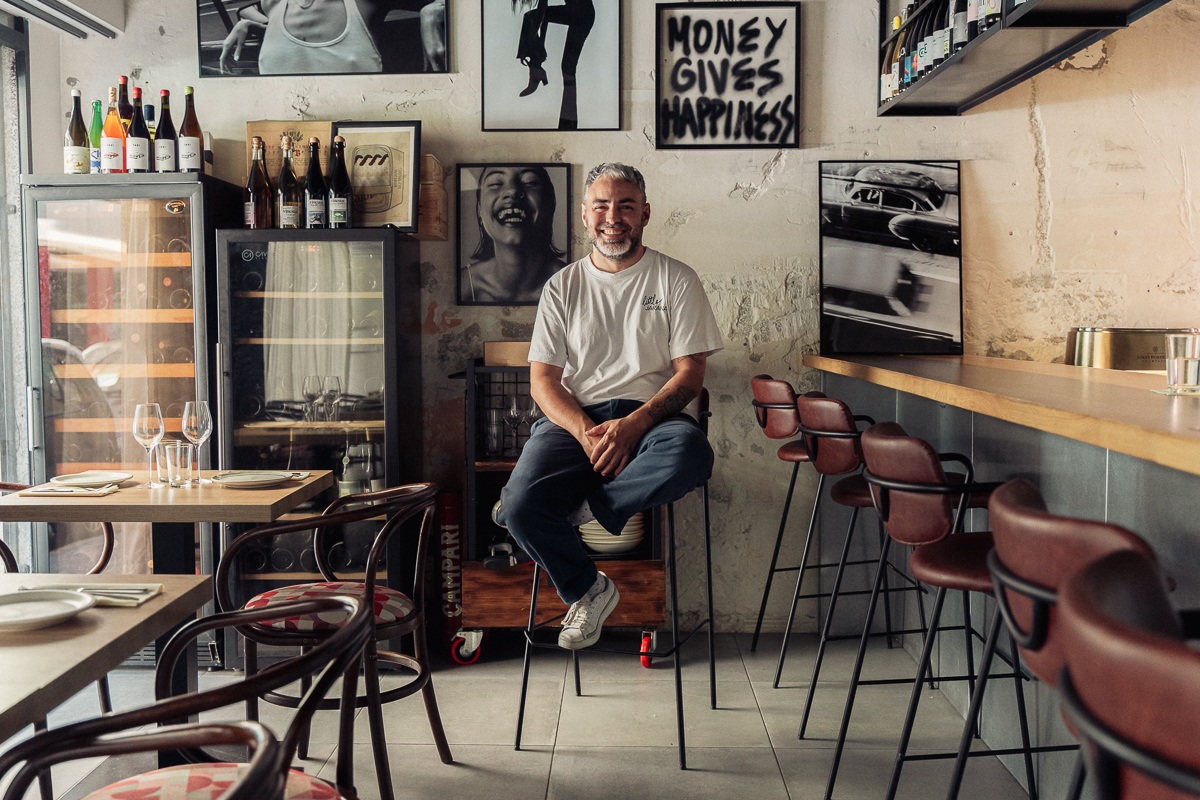
"Va de bio is the consequence of a cooperative of producers that was formed in 2012. Following the 2008 crisis, people became more aware and the demand for local and organic products grew." That who puts us in the background is Manel, who between the bustle of boxes and orders, welcomes us in his warehouse located near Pere Garau and Son Gotleu. Partner of the project, he recalls the birth of the initiative: "16 years ago, different farmers formed Això és vida and were among the first to sell at the organic market in Plaça Patins".
With its impetus, this cooperative supported producers who had recently started and who, thanks to this boost, were able to grow. The problem arose because Això es vida could only sell a certain amount of its own produce, a limit that was exceeded because in some seasons the product harvested on the island, especially organic fruit, is scarce. Faced with the need to expand the catalog and provide a greater outlet for vegetables, Va de bio was created, a community of goods that continues today buying from the same farmers but also can dispatch organic foods that are hardly grown in the fields of Mallorca.
Thus, Va de bio is currently supplied by established local producers such as Sa Teulera, in Petra; Son Durí, in Vilafranca and Son Cànaves, in Llucmajor, by small companies from outside the island and also by farmers -some young and others experienced- who have their own farm and, weekly, send their produce to Va de bio's warehouse.
The product concentrated by Manel and Teo, the partners, is stored at 14 Nicolau Calafat in the capital and, from here, an electric van leaves every day with orders to be delivered around the city. To meet the demand of customers around Mallorca, they have a calendar that divides the island into different zones by delivery days.
"There are more and more big companies that promote local products, but ten years ago nobody thought about this type of product and even less about organic".
Although Això es vida used to deliver mainly to individuals, Va de bio now also sells its products to professionals (La Molienda and Cafè Riutort are some of its loyal customers). These concepts are led by "young people with a certain sensitivity to healthy food and a desire to promote local products," says Manel.
Individuals, of course, are also a fundamental part of this project. Their sales system is simple: anyone can enter their website and select what they want to add to the basket or request a closed box, which contains vegetables, fruit or both depending on the season. Then, you only need to schedule the delivery and wait at home.
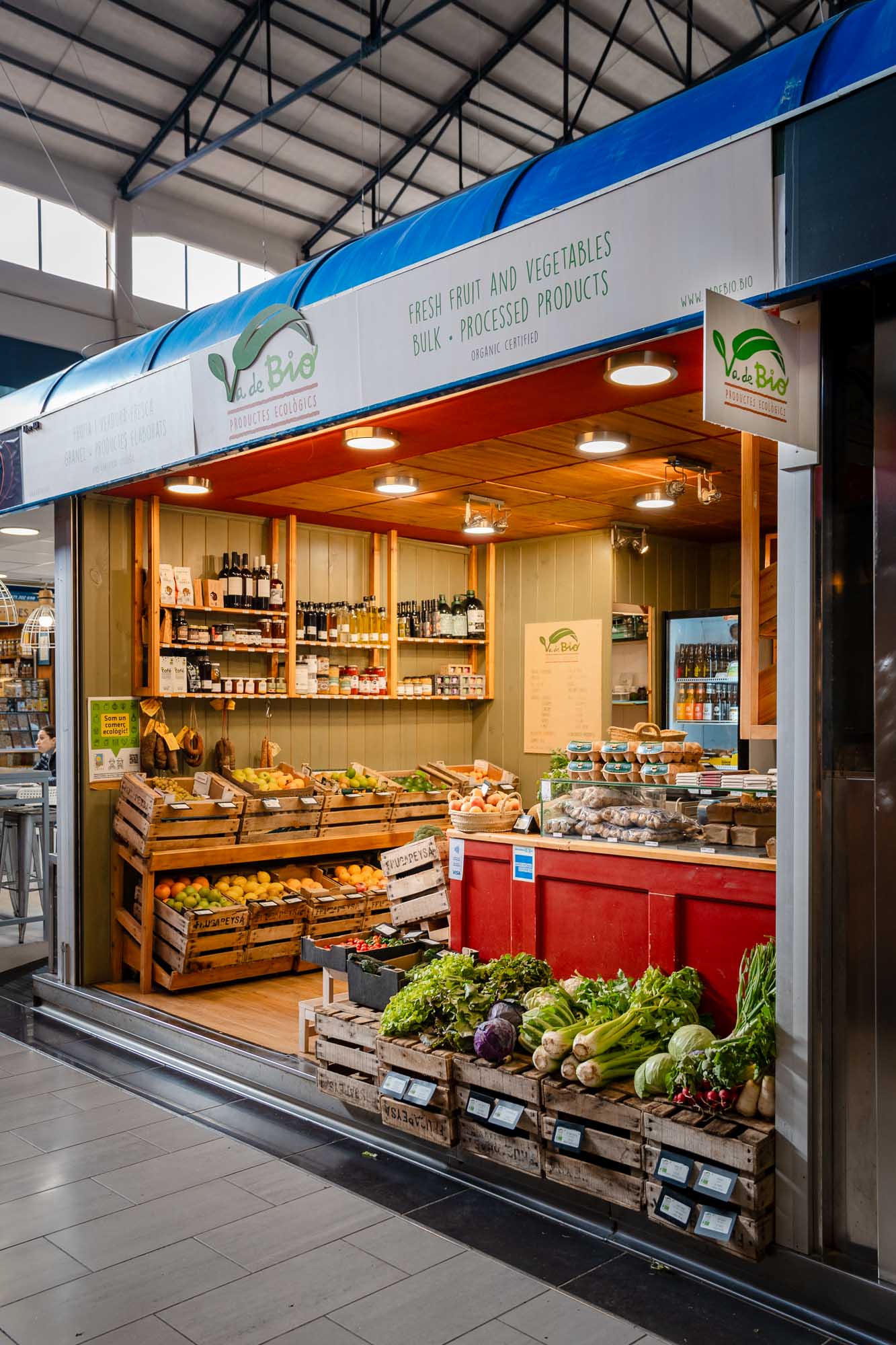
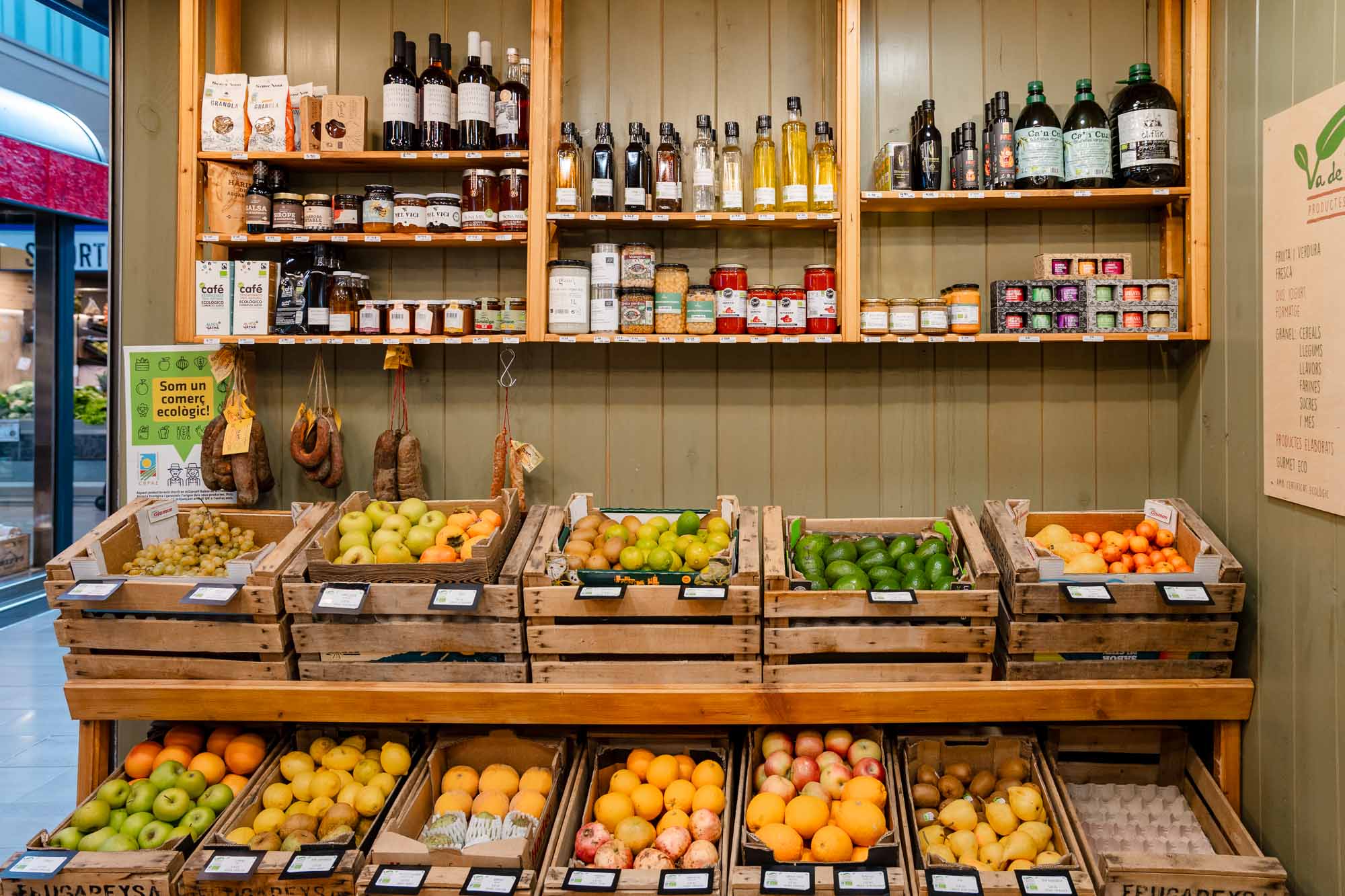
In addition to the online store, Va de bio also has a stall in Alaró market, which was actually their first point of sale. "It has always worked very well," explains Manel. "It started with a small stall of 4 meters and now it has 12. It works very well and we have many foreign customers, especially Germans and English". The other place where you can buy their product directly is at the Mercat del Olivar, where they established themselves in 2019 and which, looking directly into the future, they want to promote.
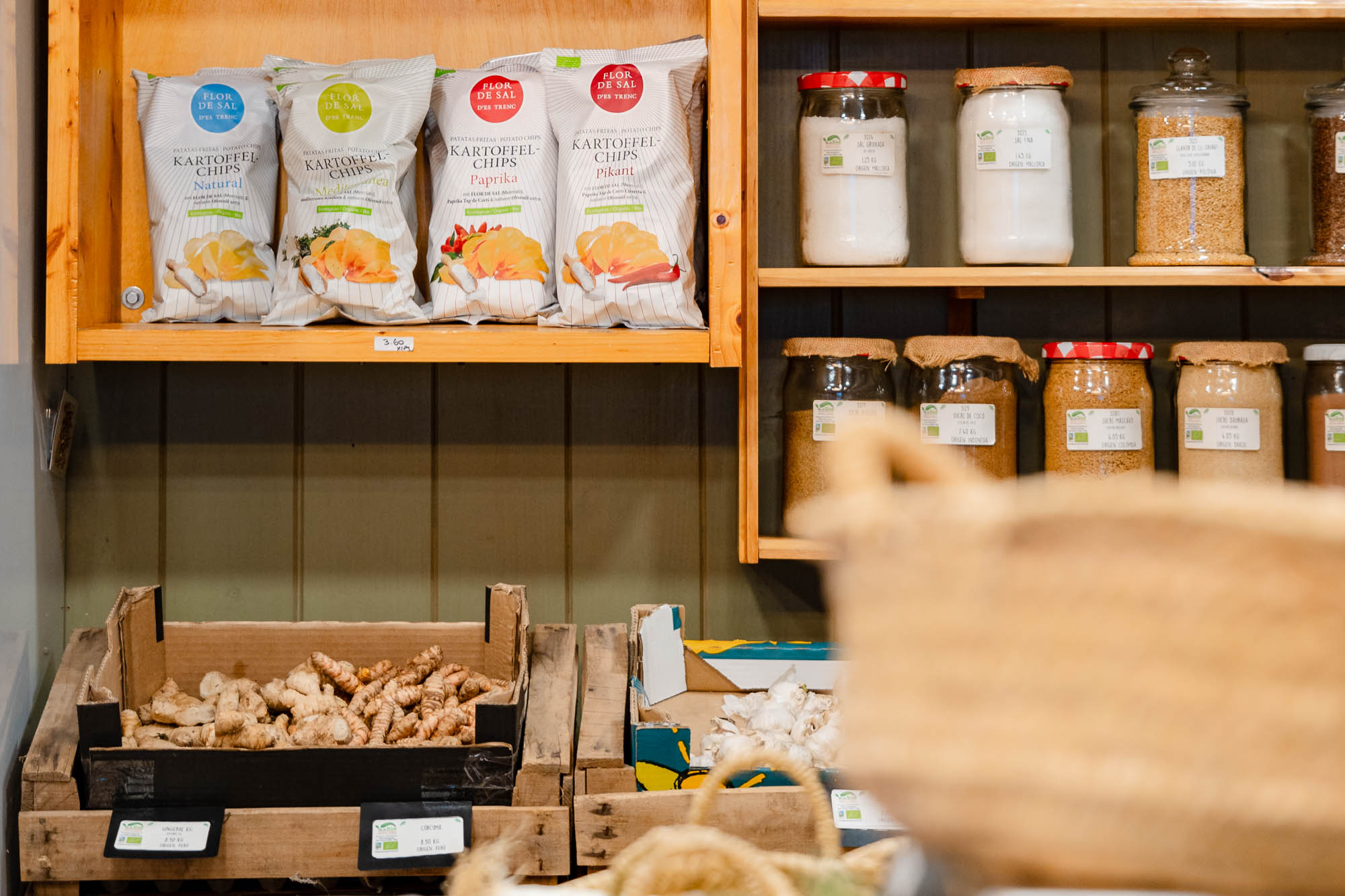
True to its purpose, Va de bio's product menu has been expanding considerably over time. Now, on their website, we find fresh and dry products, and elaborations with Mallorcan seal, such as vegan cheese varieties from Bon Bessó, carob cream from Johannis or Kombucha Isla. All, of course, with the same common denominator: organic certification, which Manel considers to be "very controlled. And it has to be.
At a time when more and more people are interested in the origin of food and its place of origin, in search of nearby products grown with respect for people and the environment, Manel looks back and puts on the table the evolution that the sector has experienced: "There are more and more big companies that promote the local, but 10 years ago nobody thought about this type of product and even less about organic".
"We always try to buy directly from the producer, but the problem in Mallorca is always the transportation".
A positive trajectory that, however, is not without obstacles on the way. Transport is one of them. "We always try to buy directly from the producer, but the problem in Mallorca is always the transport, which sometimes makes the product very expensive if the order is small". However, in this inconvenience, Manel finds the other side of the coin: "there is more and more demand for local produce and I think we will be forced to eat it because transport, dependent on fossil fuel, will become more and more expensive".
Still looking to the future with optimism, Va de bio has rented a second location that serves as a warehouse because "when there are peaks of work - especially in spring and autumn - we can't fit in this one. We wanted to buy it and fit it out, but it hasn't been possible due to a capital issue". In addition, with more space, the company, he believes, will be able to "buy more and a little cheaper, increase the product catalog and therefore reach more people".
After talking to Manel, surrounded by melons, onions and spices, we head home with one certainty. Va de bio is a necessary initiative that arose from a crisis that, in a way, is not too far away. After the COVID 19 spin-off, we again came up against the same reality: supporting local produce and island producers is essential. Hopefully we do not need more crises to understand - and act accordingly - that this is not a question of the future. It is the reality of our present and involves us all.