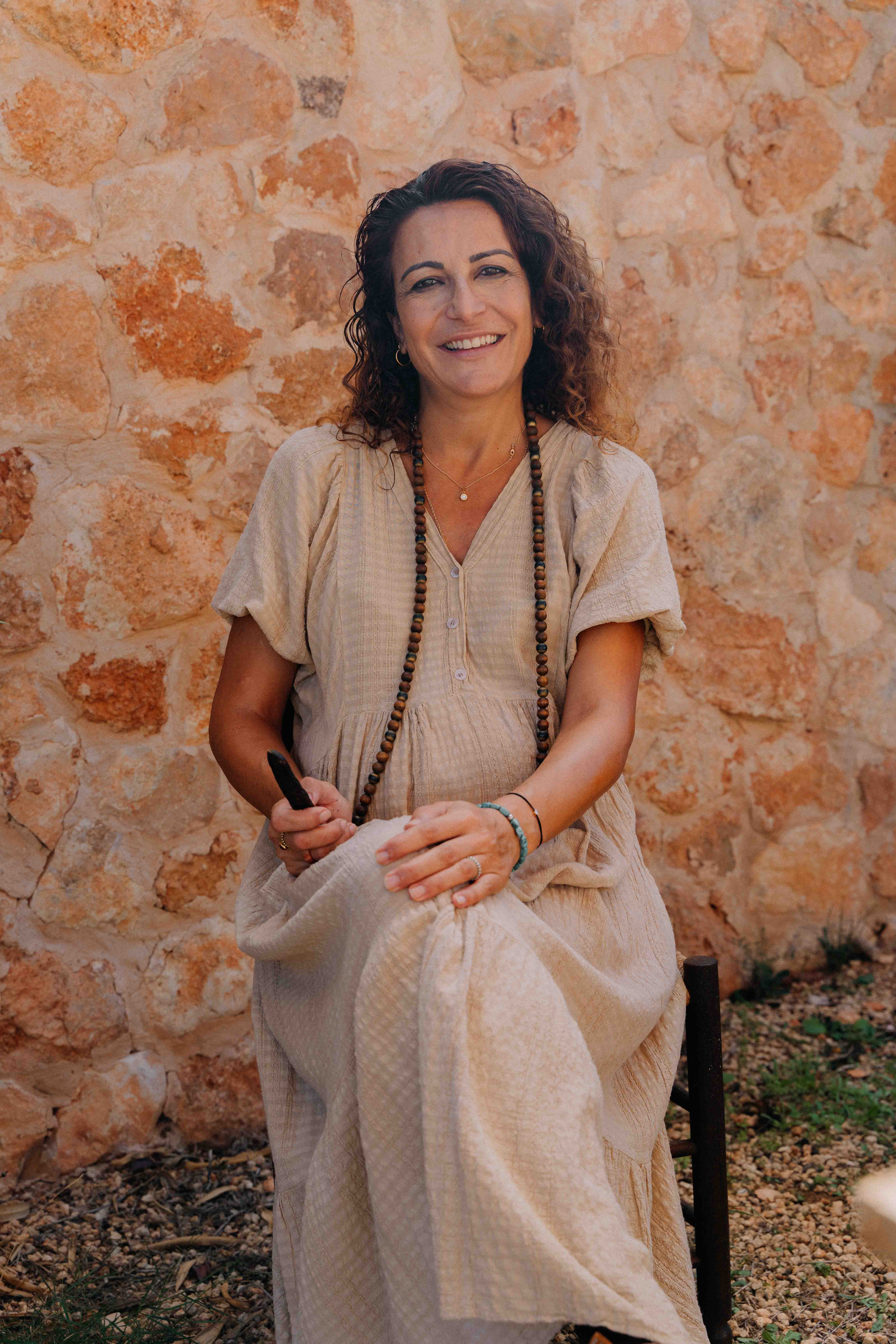
After a stay in Peru in 2012, during which she did some research on the products made there with carob, and after analyzing studies addressing all its properties, in 2015 Joana promoted, with the support of her parents, the first production of carob flour. A twist, but in the form of continuity, to a history linked to the countryside.
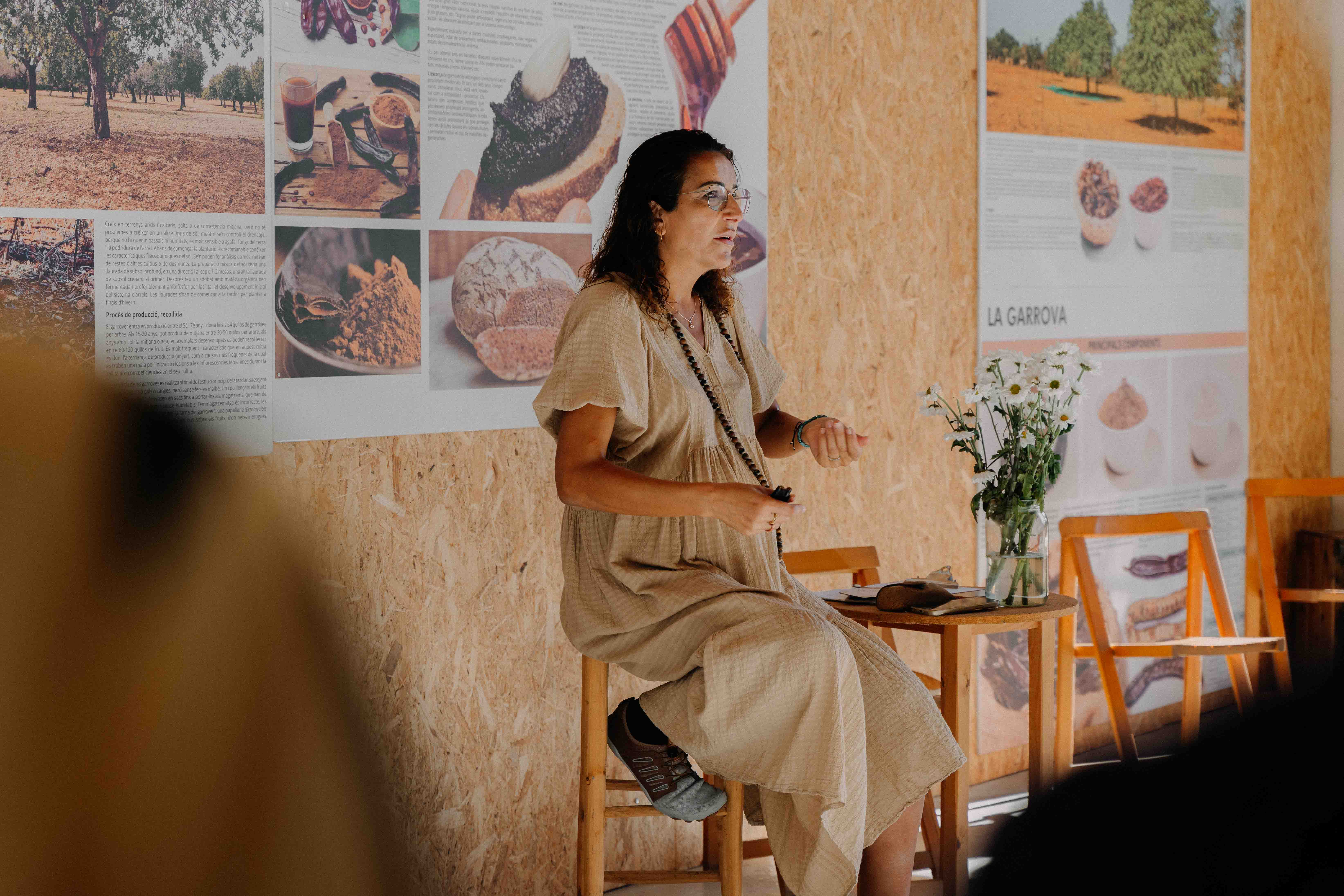
Until not long ago, 'carob was food for the poor and now it is one of the most important products worldwide compared to cocoa', says Joana on a guided tour, an informal, relaxed and enriching meeting with an association of retirees who today happen to enjoy a morning at Ca S'Hereu, the family field converted to organic that gives part of the fruit to Es Garrover de Mallorca. The rest of the carob that the company needs is purchased from local farmers.
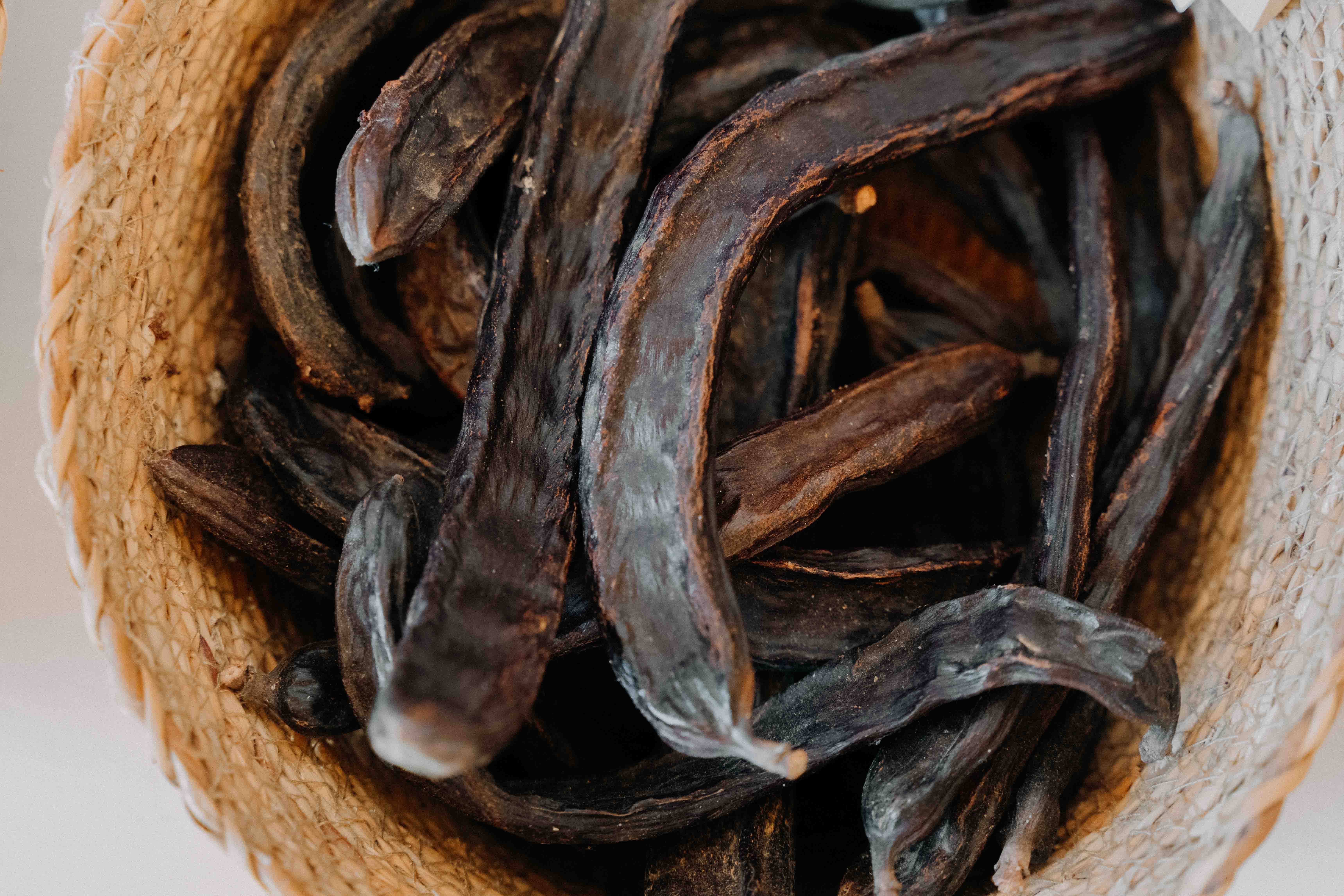
Both listeners and Joana agree: carob has traditionally been a product associated with animal feed on the island. A devalued ingredient that, in reality, contains innumerable benefits. A source of fiber, calcium and magnesium, it provides minerals and vitamins, and regulates the cardiovascular system and intestinal transit. And to top that off there is the delicious flavor, of course, which has convinced renowned chefs on the island such as Santi Taura, Andreu Genestra or Miquel Calent, who incorporate its flour in their desserts.
'In 2012 I visualized that it would be really important worldwide. I think it will end up being positioned at the same level of cocoa and we will be able to spread the message of carob as being a key product in our diet.'
Carob is a historical product that has been neglected. It had not been valued in the past. It's always been in our environment but we have never known how to take advantage of it properly', continues Joana who, far from resigning herself, adopts a positive and hopeful discourse. Something that perhaps she has inherited from her grandfather, who more than eighty years ago started this path with enthusiasm, and from her father, a farmer. She, who has learned from both of them, feels that the project - nothing more and nothing less than creating a company with a product that did not exist - 'was born to innovate and transform' and, like them, she considers herself a visionary. 'In 2012 I visualized that it would end up being important worldwide. I believe it will be positioned at the same level of cocoa and that we will be able to spread the message of carob as being a key product in our diet.'
Battling this lack of knowledge has been - and still is today, although to a lesser extent - part of the daily life of Es Garrover, which moves forward with a firm purpose: 'to have carob of Mallorca be one of the most significant products and have local people consume it. This is our work. It has been arduous, but the nutritional part has helped us promote our products'. So much so that, on social networks, it is now common to find users sharing the recipes they prepare with the Es Garrover de Mallorca range, a speaker that Joana is very enthusiastic about. I love it when people make community'.
Since she started producing flour, the range of products has not stopped growing: carob cream, coffee, syrup or sauce are some of her success stories, but the sports range, she admits, has already surpassed even the sale of flour, her star product until recently. Sugar-free, organic and local bars and shakes that she has created in an alliance with the company Mega Raw from Lloset. It has worked very well and we want to expand the range. We coincide in fairs and share a philosophy of life. The combination of our companies has become a success because we understand each other perfectly'.
'What I like is the contact with people, being able to transmit'.
Beyond the products -which can be found in their store in Llucmajor, at fairs, online and in large supermarkets- the concept of Es Garrover de Mallorca has also been transforming. In 2019 they began to gestate El museu de Sa Garrova, a project that came to a standstill during the pandemic, but now hosts experiences such as a menu orchestrated by chef Miquel Serra and guided tours.
The one we enjoyed today is a good sample of what to expect from them: the meeting begins with a walk through Ca S'Hereu, a journey through the history of the fruit and its local varieties, and culminates with a breakfast with gató, bread with sobrasada, ensaimada filled with carob cream -which are baked in a village oven- and the tasting of Garrovinet, a drink made in an artisanal way from the fermentation process of carob. A luxury feast, extremely healthy and one hundred percent local.
In these sessions, participants connect with the environment, taste the thousand forms of carob and also learn about a world that is unknown to many. Something that Joana is passionate about. 'I have walked around fairs and markets, but with the children I have focused on people coming here and creating experiences. What I like is the contact with people, being able to transmit'. It makes perfect sense, because nothing is more aligned with its purpose than to bring us closer to a sustainable Mediterranean farming full of possibilities. To its history and essence. And to make us participants of what is to come.
For now, we already know that when carob becomes an essential ingredient in our diet we will be able to say that we had been informed. Thanks to Joana we could see it coming.