The almost centenary traditions are in danger of disappearing, of being forgotten so that they survive only in the memory. They are like animals in danger of extinction, species that we must take care of with absolute devotion and self-sacrificing dedication. This is the only way to prevent their decline. Some traditions come from our family, inheritances with which we acquire a moral commitment. They are accepted voluntarily in order to be perpetuated over time. The transfer of responsibilities is chained from parents to children, from generation to generation. Perola is one of the oldest agrotourisms in the territory of Mallorca, a project that the Salvà sisters lead with a deep respect for their ancestors. When we were invited to visit them, we were there in no time. The ones in their farmyard.
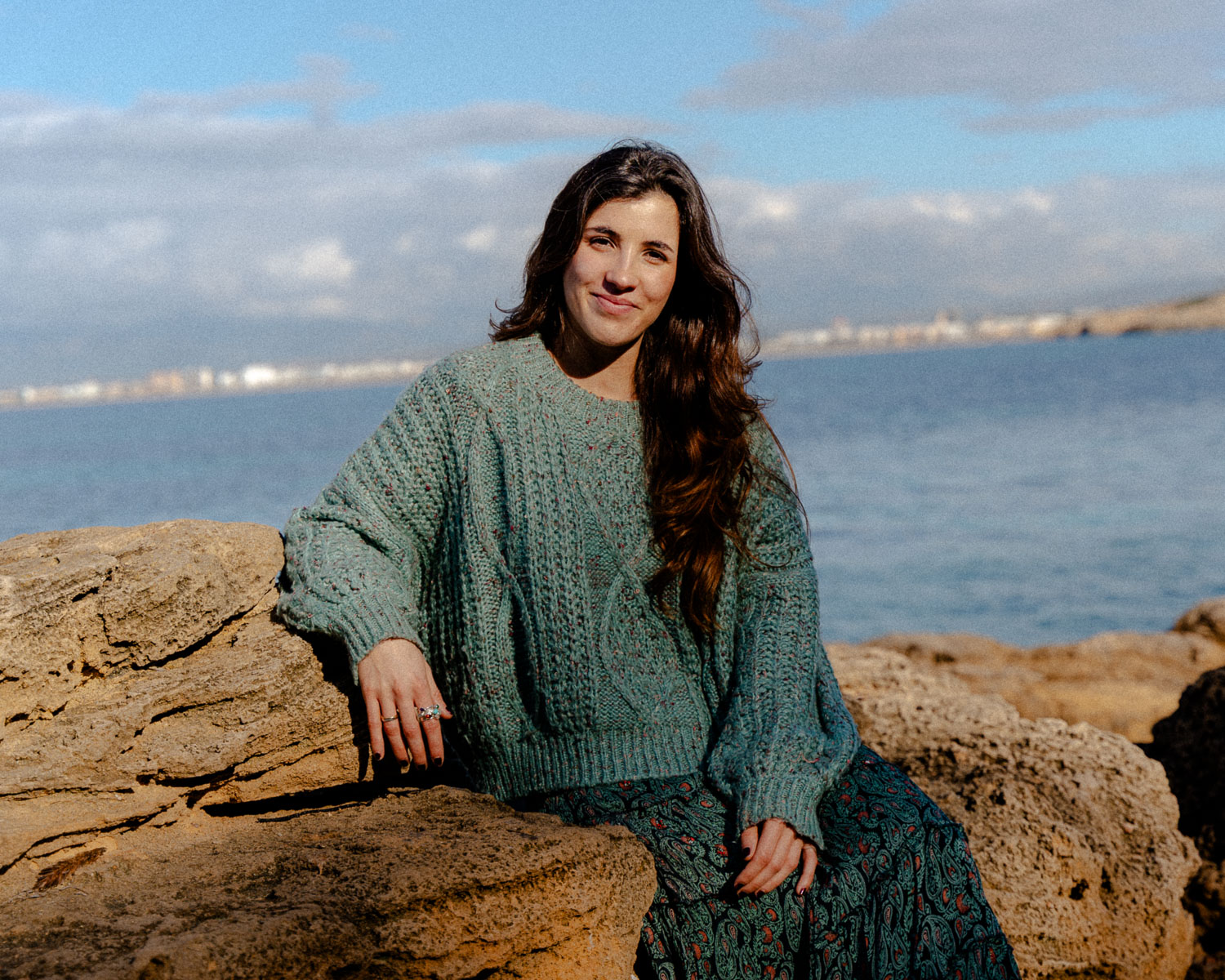
Just when we enter the interior of the agritourism, we perceive the warmth of a family highly experienced in the art of lodging. Our feet rest on a stoneware ceramic floor, in a place that still preserves some pieces of furniture dating from long ago. Victòria tells us about how it all began. "We belong to the first batch of agrotourisms that opened in Mallorca when all this was not in style here. It was our parents' idea". Elisabet and Victòria's parents decided to convert a family farm into a small rural hotel that, today, has six rooms with capacity for ten people. A limited capacity that allows them to preserve a homely atmosphere that, with a greater volume of guests, would be completely distorted. It is Elisabet who now explains the loyalty of her public. "We have had repeat customers every summer since 1996, when we opened. They are very grateful for the close treatment. They like to feel the essence of what we are and what we have on the island. This is a different kind of tourism".
"Our father still raises pigs and our sobrasada is organic. It is one of our star products".
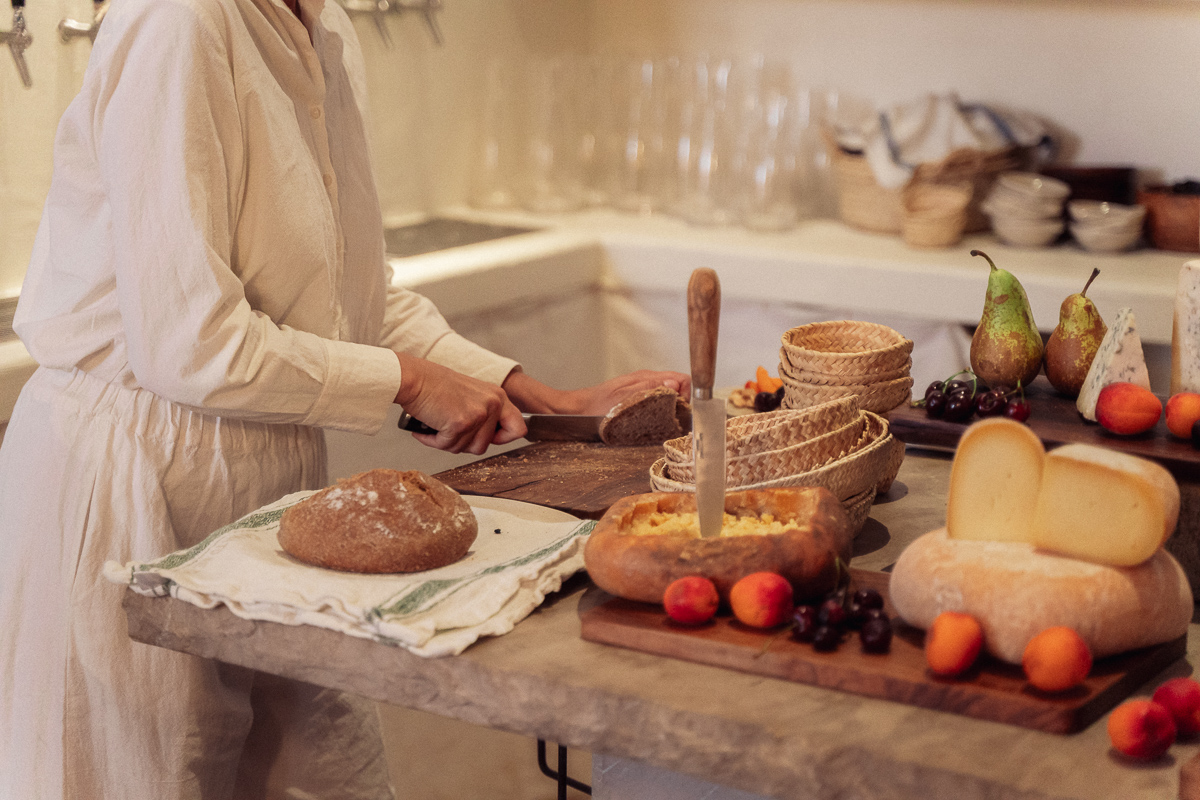
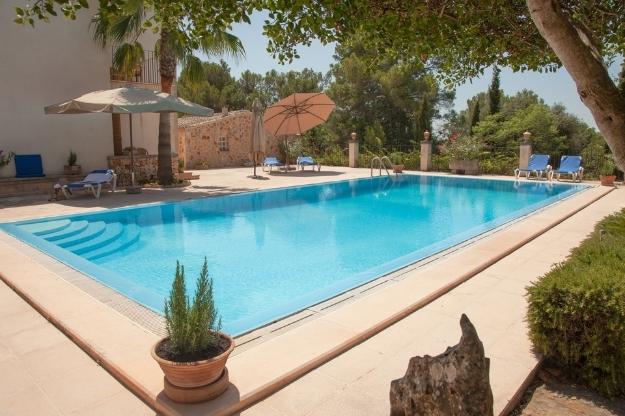
Accustomed as they are to being hosts, the two sisters make us cross a living room bathed by the midday sun, where the light streams in through the windows. Chairs upholstered in tongue-twill fabrics surround a dark wooden table. When we go out to the terrace, some guests are finishing their breakfast: toast with organic flour bread that their father makes on the Rafal Genàs farm, orange marmalade that they extract from their own trees, eggs laid by hens that swarm around their barnyard. "Achieving all this is increasingly complicated because there are many agrotourisms that have ended up in the hands of companies". Victòria refers to the familiarity that is breathed even when chatting with them, sitting under a pergola on which vegetation grows, in front of a swimming pool that invites to take a dip. While Elisabet finishes off her sister's explanation, we hear the song of a bird that we can't identify. "We are not going to change many things. We will continue in the same line because this is our nature. Apart from some reforms that we have to make, our internal operation will maintain the same dynamics".
It is precisely in their breakfasts where they have made variations, as they used to serve them as a buffet and now they bring them directly to the table. A sign of personalized attention, a gesture that comes to be a caress to sustainability because "this way we do not spend so much and waste is completely eliminated". Guests staying at Agroturisme Perola stay at the facilities for an average of two weeks. The right time to savor the zero kilometer products that the Salvà family, for decades, has been elaborating from tradition and thanks to their vegetable garden. "Our father still raises pigs and our sobrasada is organic. It is one of our star products". Plums, apricots, figs, melons. As the conversation progresses, we realize that we are in the company of a Mallorcan lineage that knows self-sufficiency.
Another of the elements that make Perola a sustainable agritourism is its electrical installation, since a large part of its energy comes from a system of solar panels. The water they use to irrigate their garden, on the other hand, is obtained from three wells located on the farm. From a serene speech with tinges of protest, Victòria expresses her discomfort about the lack of supplies that afflict those who live in the countryside. "It is a bit obscene what is happening in Mallorca. In the most remote parts of Galicia or the Basque Country they have brought water and electricity. Here on the island, on the other hand, they give you a thousand bumps in the road and make you pay exorbitant prices. I don't see a reasonable explanation. It is a right we have".
"We just bought a coffee machine that grinds the beans. People want Nespresso, but we don't want to use capsules. It's nonsense”.
A rooster crowed as we got up from the table. Elisabet bids us farewell with an apologetic smile; the daily chores of her guests beckon her. We watch her walk to the interior of an agritourism that was converted to organic farming about six years ago, and where her guests feel at home. We look at her determined steps, the same ones that must be taken to achieve a greener society. Victòria remarks which are those small actions that can lead us to such a goal. "We just bought a coffee machine that grinds the beans. People want Nespresso, but we don't want to use capsules. It's nonsense”. A philosophy they also apply to the amenities that are usually found in any self-respecting hotel; at Perola, except for a bar of soap that they leave for the guest, there are none. And there are none because the waste that derives from this excess of tools is at the antipodes of their convictions. What they do to eradicate so much waste is to buy carafes of dispensable soap made in Totherba, another project with a Mallorcan identity.
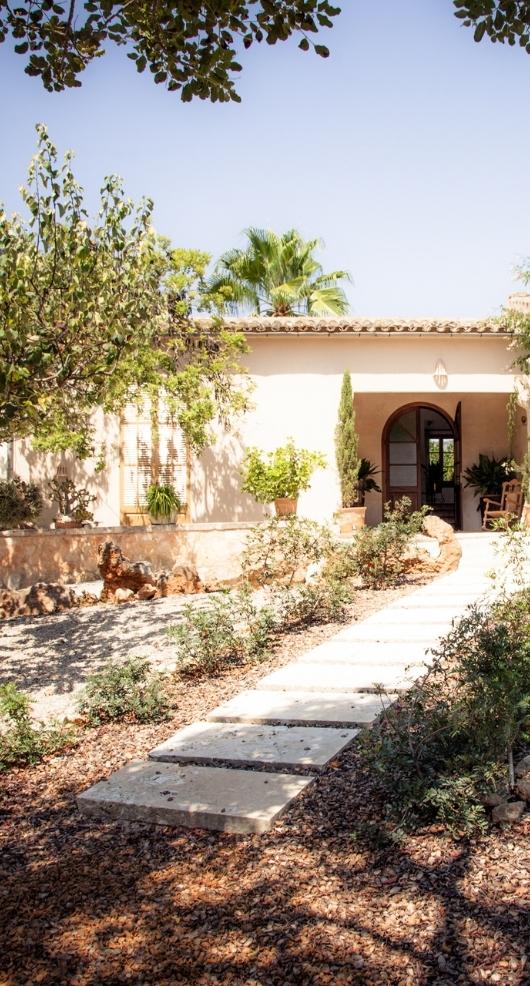
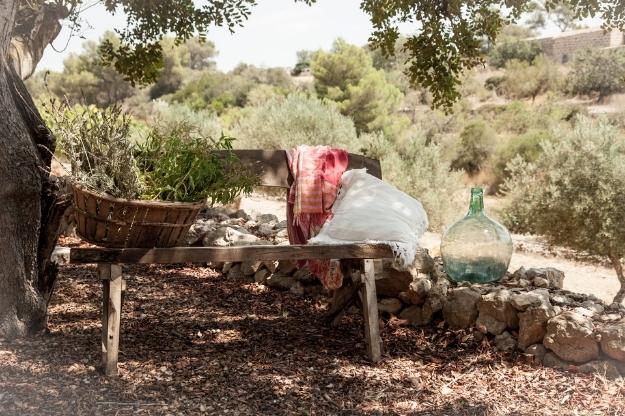
On the way out, we wander along a stone path that crosses the front garden of the house. We observe an extension of cultivation where some orange trees grow and Victòria, solicitous, invites us to go one day to Rafal Genàs, the possessió where her family elaborates the xeixa wheat flour. We gladly accept to witness an artisan tradition that we do not want to miss. When we are on our way to the car, Miquela, her mother, thanks us for our visit. The woman offers shelter to a group of plants with an umbrella to protect them from the sun. In this family they do not skimp on care.