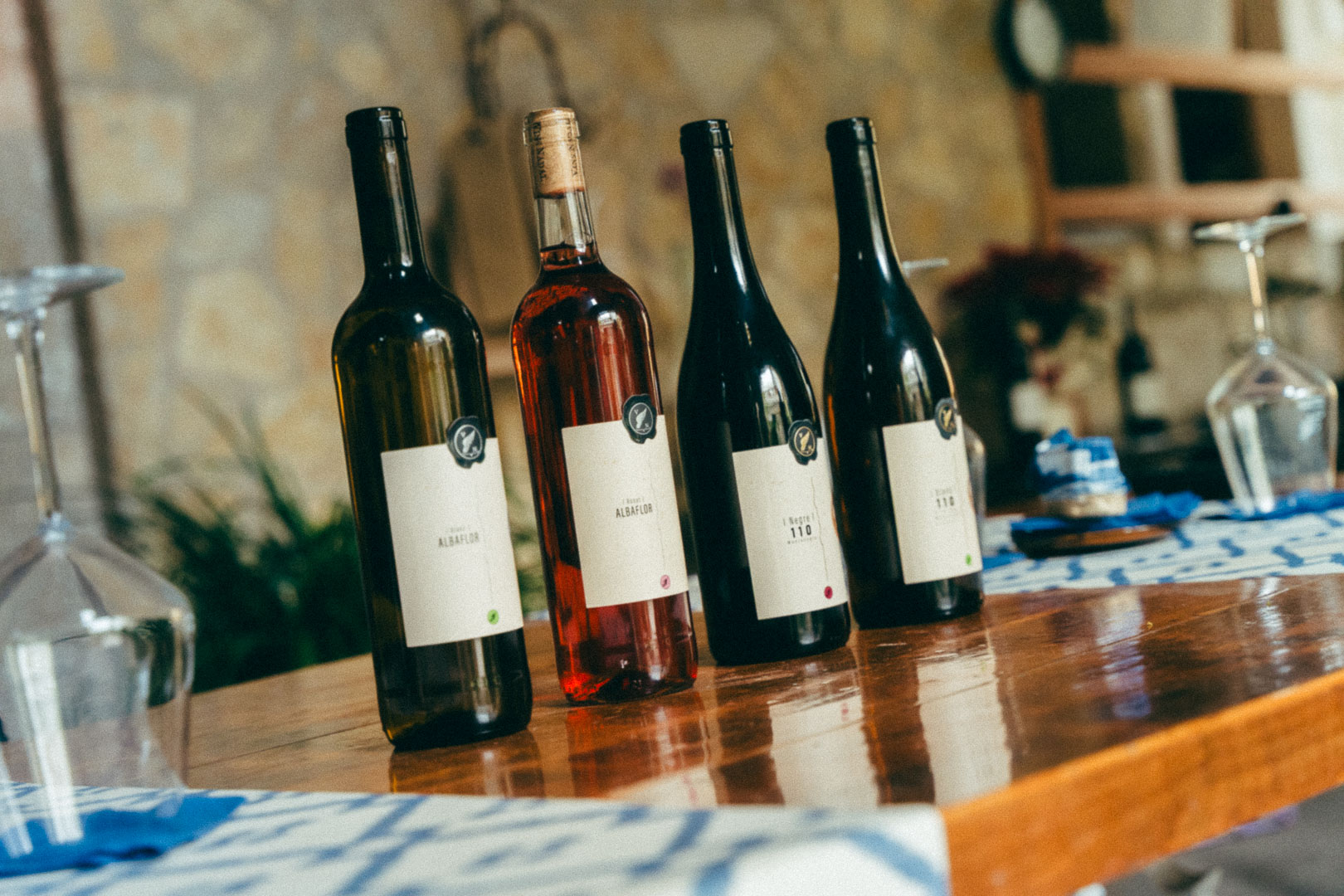
Vins Nadal is a family-run winery founded in 1932. How would you describe its evolution over the past century?
These hundred years of history show that we have had the ability to adapt to every situation. We progressed from producing only bulk wine from native varieties in the village to meeting the demand in volume created by the boom in tourism of the 1960s, 1970s, and 1980s. In the 1990s, we committed to the DO and to defending our identity, and in recent years we have made a significant commitment to sustainability and regenerative viticulture.
In fact, you are a benchmark in the Balearic Islands in regenerative viticulture. Why is this your production model?
The answer is simple: we did not identify with any other type of agriculture. Regenerative viticulture regenerates, and we have to do so because we have degraded the soil for many years and it is no longer capable of storing carbon or organic matter. Conventional agriculture depends heavily on oil and chemicals, and organic farming meant stopping the use of systemic chemical treatments in favor of organic ones, but it did not take the soil into consideration. Regenerative viticulture made sense of what we were looking for.
Climate change is having a direct impact on your sector. What steps are being taken and what remains to be done to ensure that working in the fields remains viable?
The global situation does not understand that this is an urgent necessity. I believe it is crucial for a country's growth not to depend solely on economic values, but to consider many factors, such as people's quality of life. It is not the planet that has a problem, but us, because we will not have the necessary conditions to survive. What encourages us is seeing that there are other projects, that we are not alone in this. In terms of measures, we need to regenerate agricultural soil, transform energy… There are projects out there, but there must also be will.
I believe it is crucial for a country's growth not to depend solely on economic values, but to consider many factors, such as people's quality of life.
During our first conversation four years ago, you told us: “The more local the market, the more sustainable you are.” Is proximity the future?
I believe so. It is essential to commit to local products, because the carbon footprint generated by bringing a product from the other side of the world is enormous. It is much cheaper for the hotel sector to import wine from the mainland, but it is in their interest for us to continue working the land, which is our heritage. There is scope for growth, but if there is no market, farmers will not do the work to produce goods locally.
You are at the helm of a business in a sector with a strong male presence. What is your view on the role of women in viticulture?
Yes, it is a very male-dominated sector, and when I started it was even more so, especially in the commercial side of things. It has improved, but we must continue to champion feminism. As long as there are deaths, harassment, and countries where women have no rights, we must continue to fight for our rights. I have encountered some difficult situations, but I have been able to defend myself and set the record straight. The sector is male-dominated, but the future is female-oriented. We are already in the majority at universities. The future will be different.
You organize tastings and events that bring your wine and music together. Is this a way of keeping up with a society that demands experiences?
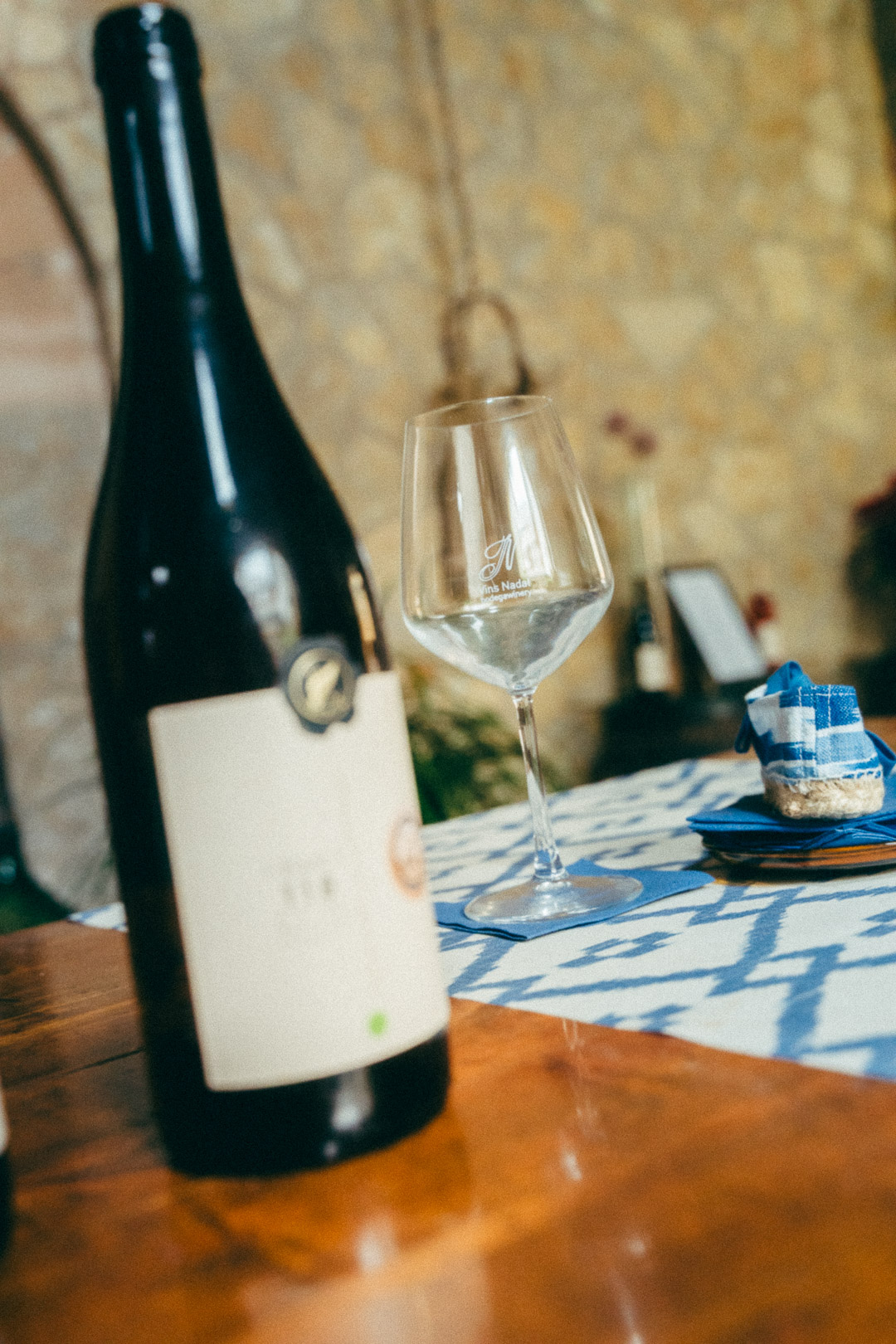
When I started at the winery, we could keep our doors closed; only salespeople came by. Now promoting wine tourism is a must, but I think it should be linked to local products and aimed to attract residents. We must be aware that young people may not decide to spend money on a bottle of wine, but they will probably spend it on an experience. These activities change people's perception of wine itself once they know where it is made and who is making it.
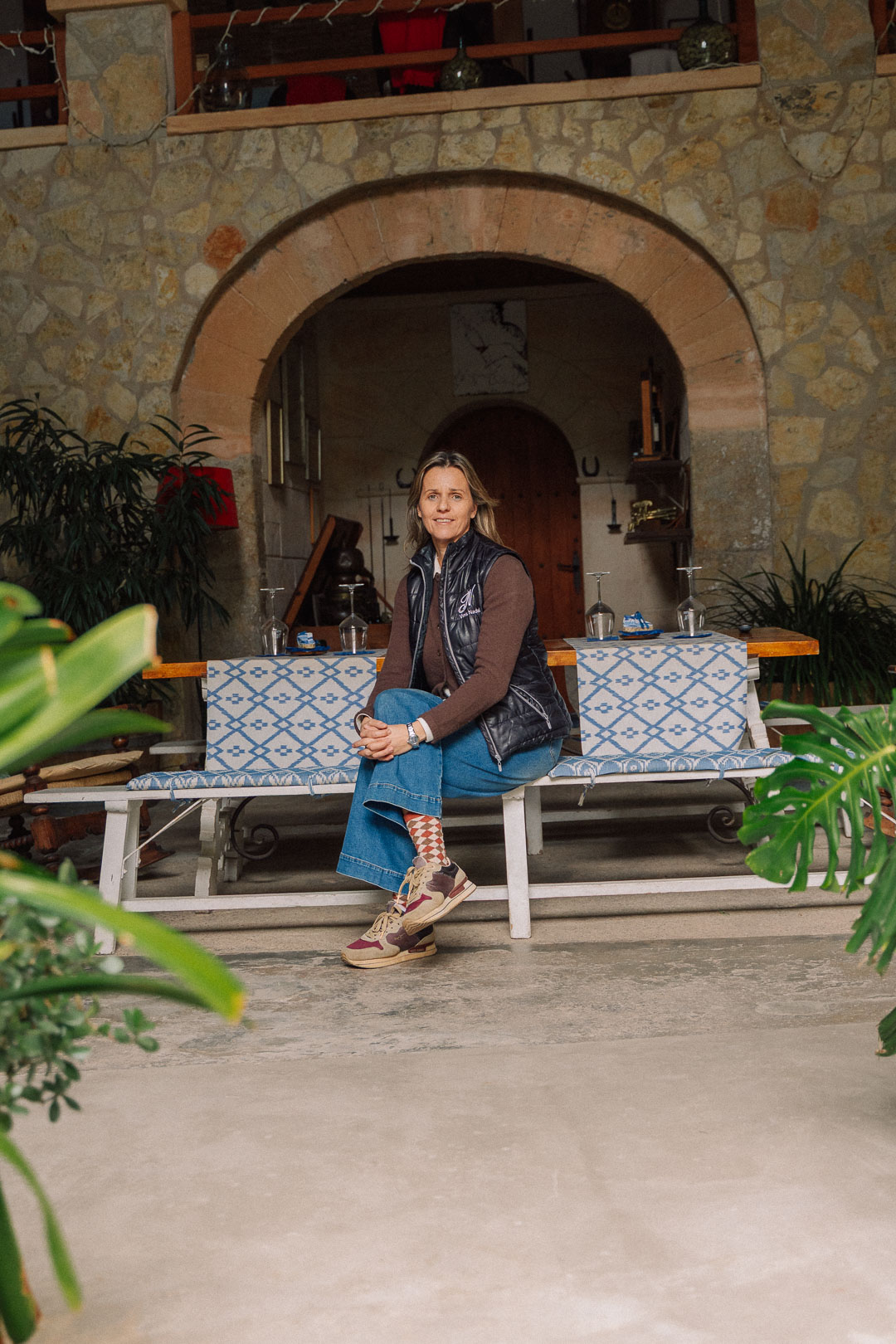
The sector is male-dominated, but the future is female-oriented.
In recent years, small wineries have been established in Mallorca and new generations are taking over from others with lasting careers. With your experience, what advice would you give to those entering this world?
My advice is to get trained and adapt to the situation. And also to encourage them, because the world of wine is slow. You learn a lot and it's very diverse, but the results don't come overnight. Patience and a lot of enthusiasm. On the other hand, in recent years there has also been speculative investment that is disrupting the market. In twenty-five years, we have gone from fifteen to one hundred wineries in the Balearic Islands. You have to have clear ideas and a vision for the future.
If the future is more immediate than ever, how do you see the future of Vins Nadal?
The next generation is still very young, but if it continues, the future will be female-oriented and it will be essential to follow a line of environmental sustainability. It is the present and an imperative future if we want to have a viable winery.