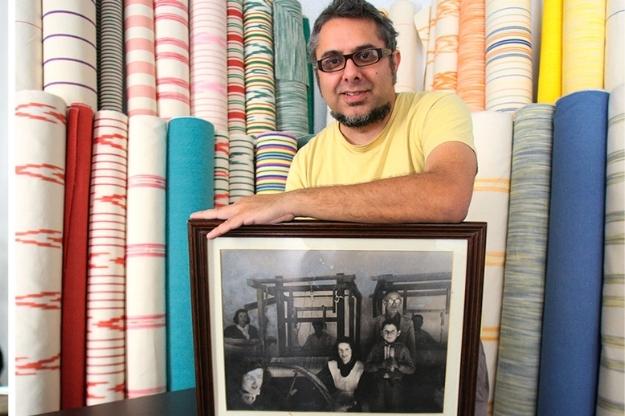
A lot has changed in Mallorca since Biel Riera's great-grandfather first entered the world of handmade fabrics in 1896. At that time, he sold his fabrics made in Biniamar mainly to the owners of the old possessions of the island, inhabited by noble families who, inspired by their travels, demanded original and quality fabrics. Later, the second generation established the business in Lloseta, where it is still located today.
All the transformations that the way of life on the island has undergone and, of course, the ways of consumption, have affected TeixitsTeixits Riera, which has been adapting to the new times. However, many other things remain intact in the Riera's workshop: "We continue to manufacture our fabrics respecting the artisan procedure and we prioritize quality above everything else," says the current manager of the company.
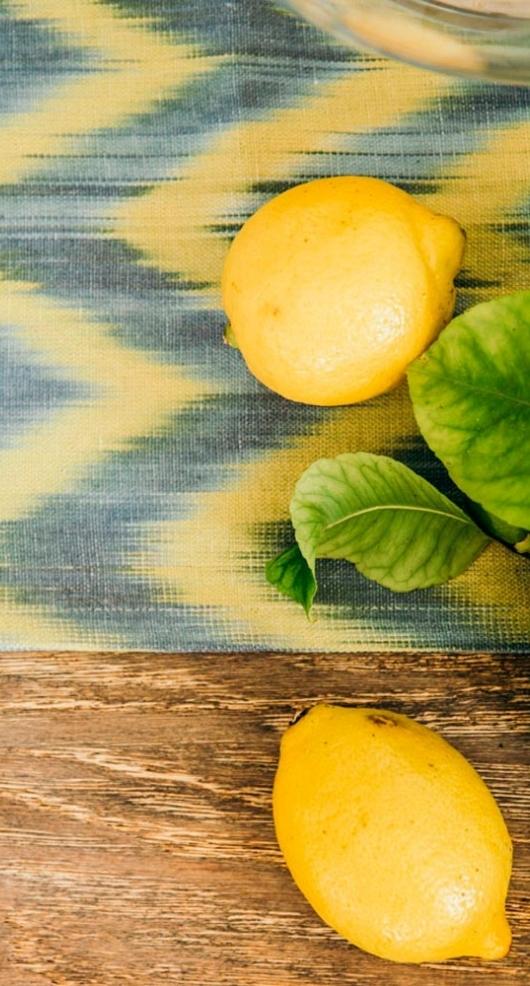
Quality is important, yes, but not their only commitment. Another of its firm purposes is to preserve and disseminate a traditional way of doing that, at present, only three companies in Mallorca are dedicated to. The roba de llengües is a Mallorcan cloth that is made from an ancient technique known as ikat and, although its origins are uncertain, it is believed to have come from the East to the Mediterranean through the silk route.
"My great-grandfather sold directly to the buyer in his own home and in markets and now we sell, above all, online to everyone".
Made from cotton and linen, the colors and geometric shapes of ikat convey the simplicity, calm and naturalness of the Mediterranean lifestyle. Timeless, but with a strong charge of past and history, each fabric is unique and claims the value of things done calmly and conscientiously.
The process, long and laborious, doesn´t understand what hurry means. Preparing the fabrics takes a full day's work. The linen and cotton arrive at the factory in the form of cones, are passed through the warping machine and the reserves are manually removed, which are knotted so that the dye does not penetrate inside and thus achieve the characteristic geometric shapes. Once the reserves have been prepared, the fibers are dyed in a boiler and, when finished, the plastics are removed.
The third step is drying, followed by a second warping. This process takes three days because the yarns are manually arranged one by one to achieve the desired pattern. Then it is time to weave the threads on the loom and, finally, the sixth and last phase consists of thoroughly inspecting the fabric to check that it meets quality standards.
Only by following the step-by-step process (some patterns take up to two months of work to achieve) can authentic ikat fabrics be obtained. However, although the company stands firm in order not to lose the essence, Riera recognizes that adapting to new times is inevitable: "we work to make it possible to maintain this tradition and at the same time incorporate new techniques, trends and materials that are attractive to today's consumers".
"Surviving as artisans is not an easy task in a globalized world, but customers who come to Teixits Riera know what they want and value our manufacturing process."
Sustainability is another commitment of the company from Lloseta: "We try to minimize the impact of our work with materials that respect the planet and people," says Riera. "We have replaced the leather of the accessories with a natural fabric and we scrupulously separate and recycle the waste we generate, both organic waste and paper and plastic. In addition, 100% of our factory's electricity consumption now comes from renewable energy".
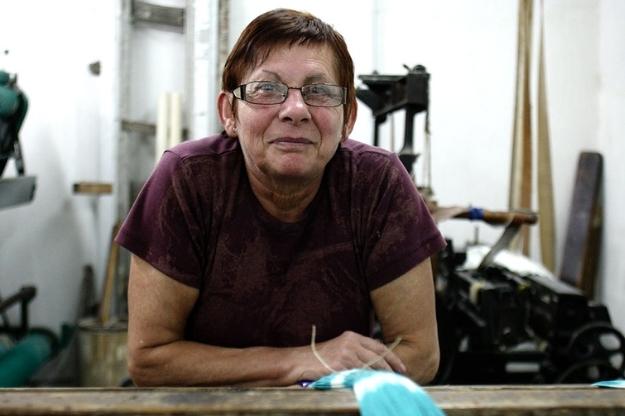
More than a century later, Biel Riera, his mother Catalina Crespí, and four other employees continue to dedicate themselves to a tradition that more and more people are valuing. The design and manufacture of their fabrics, which includes curtains, upholstery and even fashion accessories, is an essential aesthetic reference of the Mediterranean style. Here's to many more years of keeping the story alive.