 Gastronomy
Gastronomy
Read moreYumee. Where Cuisines Meet
Mark as favorite
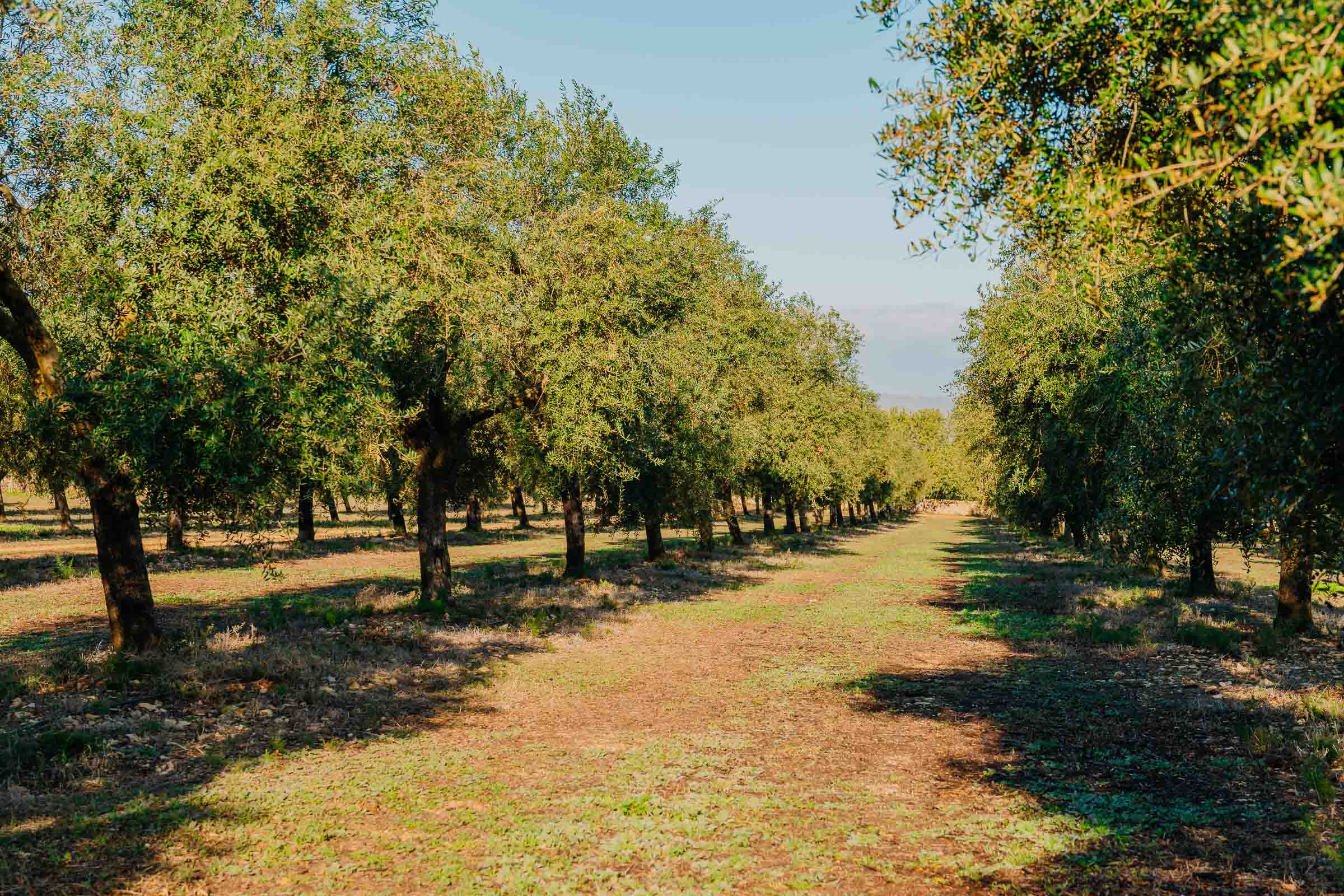
As we stroll among the trees, we are absorbed by the calm of the place. We can hardly hear anything but the birds singing and the crunching of our shoes touching the ground.


Author: Aina Coll
Photographer: Jaume Oliver
One morning in January we decided to go to Manacor. There is a farm steeped in history that produces a high voltage olive oil that we have wanted to explore and taste. We arrive at 10:00 a.m. and, since it is the low season, we happen to be alone for the visit.
Upon arrival we are welcomed by Alex, who will be our host and guide through the place. Of German origin but settled in Binissalem, he tells us that he has been working in Aubocassa for two years and we soon discover that he knows all the details of the history of this estate. And who doesn't like to listen to a good story while taking a walk through nature?
The visit begins at the starting point of the estate, where the name actually comes from - the toponym 'Albocàsser' comes from the word Albu-Kasi, which means father of Kasi, we are told. The first stop on the way is the residential building, which displays its successive reforms over the years, adapting to the needs - the windows, of different sizes and heights, are proof of it - without betraying the original essence of the construction, which still transmits that Mediterranean air of the possessions.
In addition, the house has a small chapel, a surprise that, as Alex tells us, was built because the owner of the farm at that time wanted to found a village where the workers lived and, of course, they had to have a place of worship nearby. However, the village was never really established and the chapel is still here, an extra element of the history of this peculiar farm.
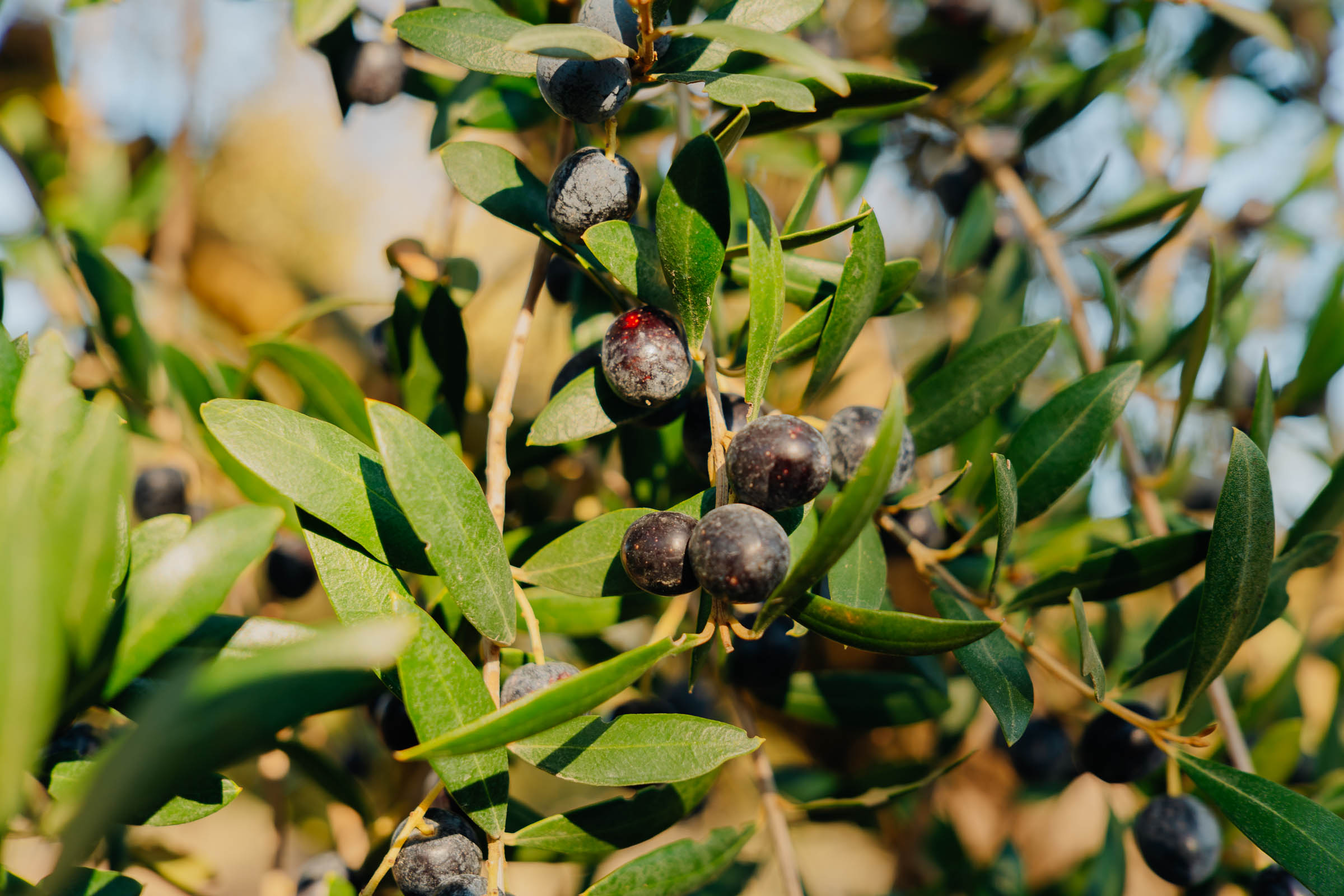
After this stop, we reach the olive grove, which has been bearing the fruits of the Arbequina variety since 1996, when the trees were planted on land that was originally intended for vineyards. In the harvesting process, the inverted umbrella system is used: surrounding the tree, which makes it vibrate gently so that the olives fall off. The olives then fall onto the canvas, as it is essential that they do not touch the ground and remain healthy and intact.
As we stroll among the trees, we are absorbed by the calm of the place. We can hardly hear anything but the birds singing and the crunching of our shoes touching the ground. In this environment, our imagination flies away and we recreate in our mind what daily life must have been like for peasants and lords over the centuries on a farm that reached 800 hectares and went all the way to the foot of Puig de Sant Salvador.
Back now to the present time, Alex tells us how the estate is cared for, always keeping in mind sustainability and striving for the most beneficial processes for the olive trees: the land is not plowed to keep the natural nutrients intact and with the purpose of letting the soil regulate itself. In addition, after pruning, the leftover wood from the trees is shredded and one part is used as compost - like a delicate mulch that covers everything - and the other as a source of energy.
Passionate about liquid gold - for its color and its excellence - Alex also explains the differences between the different types of oil - extra virgin, virgin, olive oil and lampante oil - after a brief questionnaire from which, to be honest, we didn't come out of it very well. Now loaded with new knowledge, we headed for the doors of the mill, where the machine that separates the olives from the leaves and the remains of branches is located outside.
Once we enter Aubocassa's own oil mill, we experience the whole process of elaboration of this oil: when the olives are clean they are pressed and the resulting paste, similar to a tapenade, arrives through a pipe to the next step, the one that controls the temperature. To be labeled extra virgin, an olive oil must not exceed 30 degrees and to be considered cold-pressed, 27. For this reason, rigor is maximized.
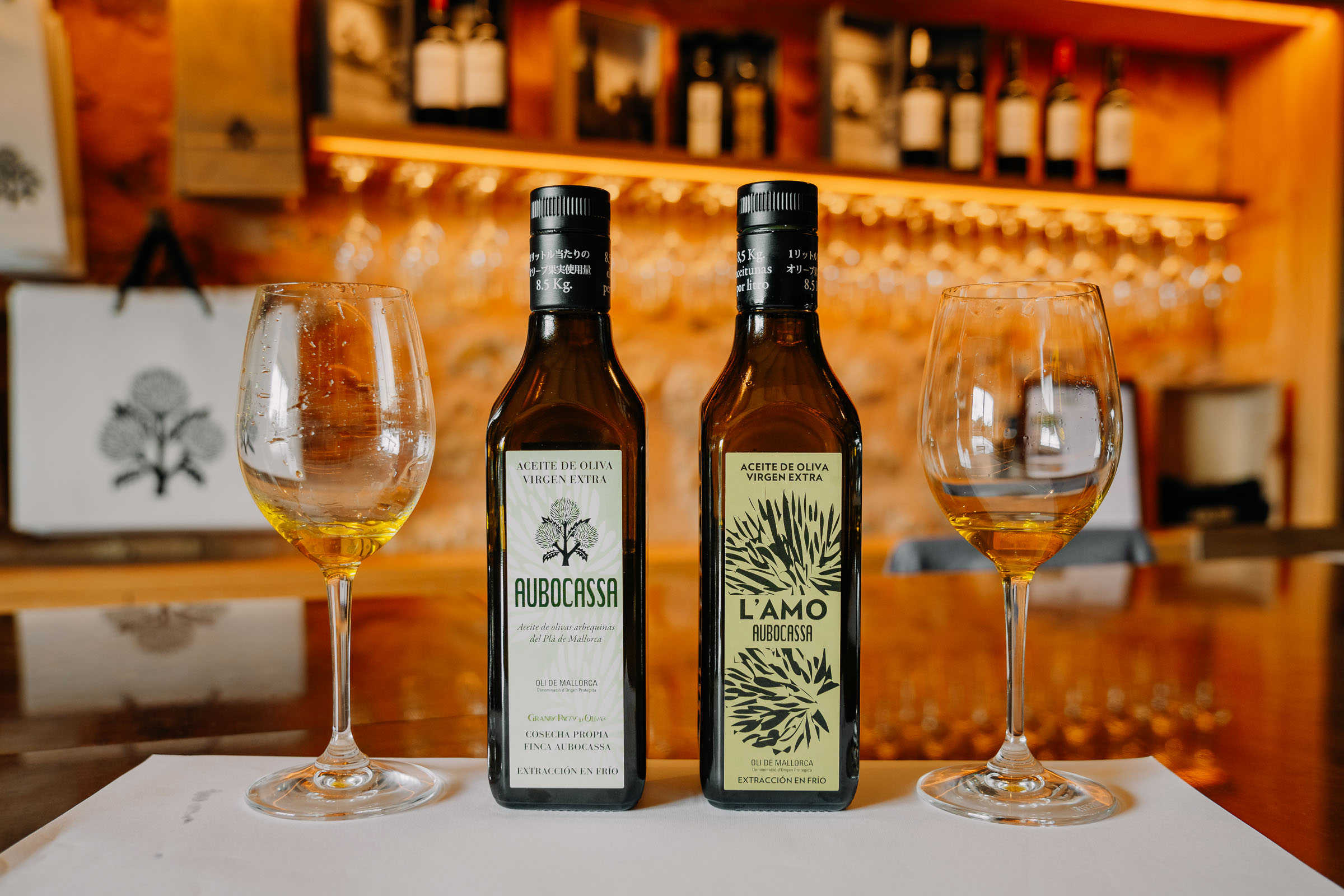
In a kind of centrifuge, the paste is processed and the process of separation of the water, the solid remains and the olive juice takes place. Once the oil is finally obtained, it is bottled, which is also done on the farm. The labeling on the bottle surprises us: it is in Catalan, Spanish... and Japanese! This is due, Alex explains, to the fact that Japan has become one of the major importers of their oil.
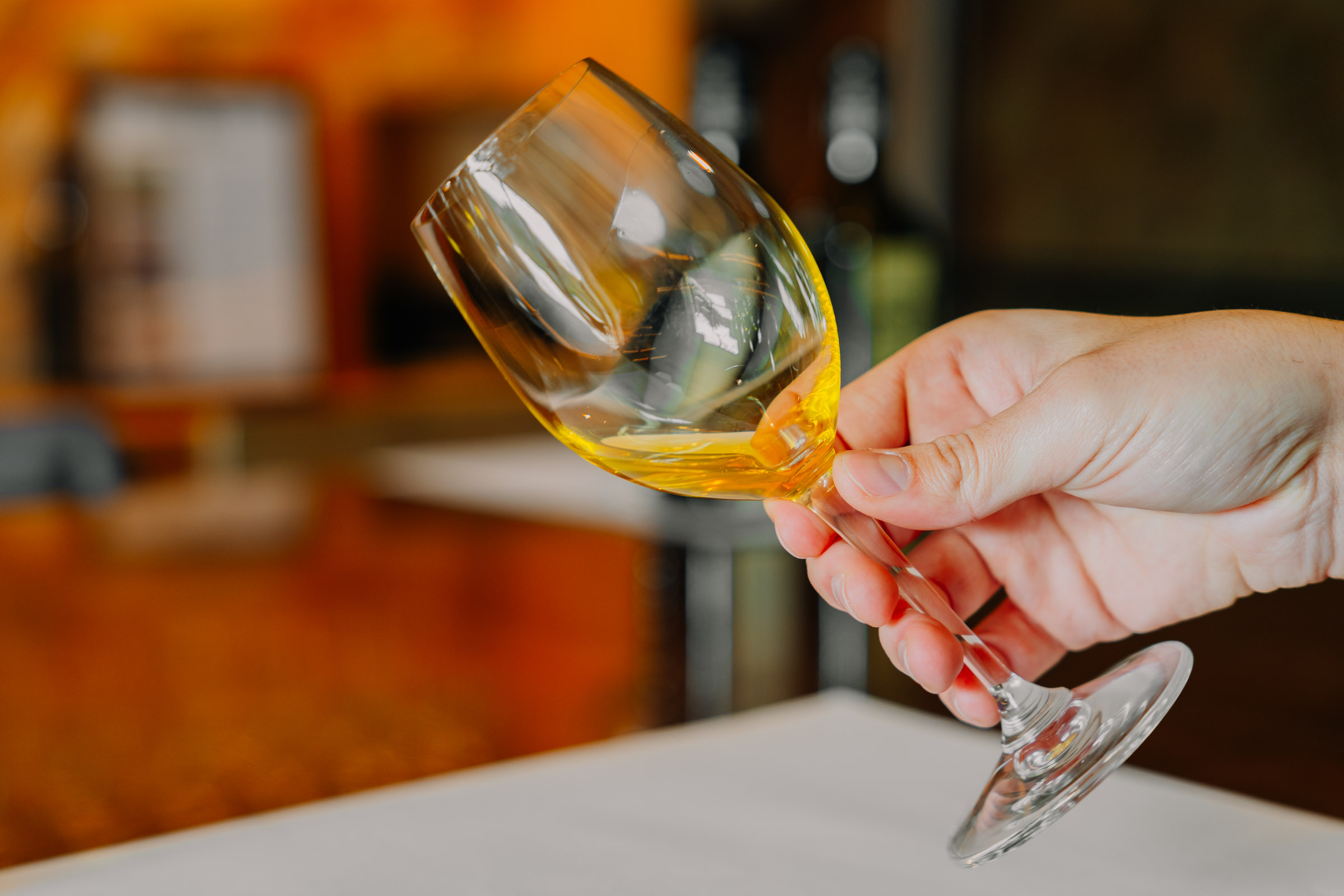
Our tour of Aubocassa ends here, but not the visit, because the time has come to taste this product that is produced with so much care and attention to detail. In a transparent glass cup, we tasted the Aubocassa extra virgin olive oil, produced with olives from the estate, and L'Amo, a blend of the arbequina and picual varieties, which are purchased from farmers in the Pla de Mallorca. The first is light, fresh, and with a consistent aroma that in the mouth is not dense or heavy at all; the second, somewhat thicker and spicier, and very tasty, makes us clear our throat to Alex's laughter, who confesses that this is a fairly common reaction.
We leave Aubocassa feeling enthusiastic about this walk through the history of rural life in Mallorca. A tour full of nature, flavor and aromas that Alex has turned into a chat full of knowledge and anecdotes. Thank you, Alex; see you soon, Aubocassa!
Suggested options