 Gastronomy
Gastronomy
Read moreYumee. Where Cuisines Meet
Mark as favorite
Can Det is a historic house located in the village of Sóller dating back to the 16th century, a place where you can feel the essence of Mallorca through a journey back in time. In its facilities, extra virgin olive oil is produced using completely artisanal methods. Its oil mill is unique in the Balearic Islands. Visiting it is a unique experience.


Author: Joan Ramis Boscana
Photographer: Jaume Oliver
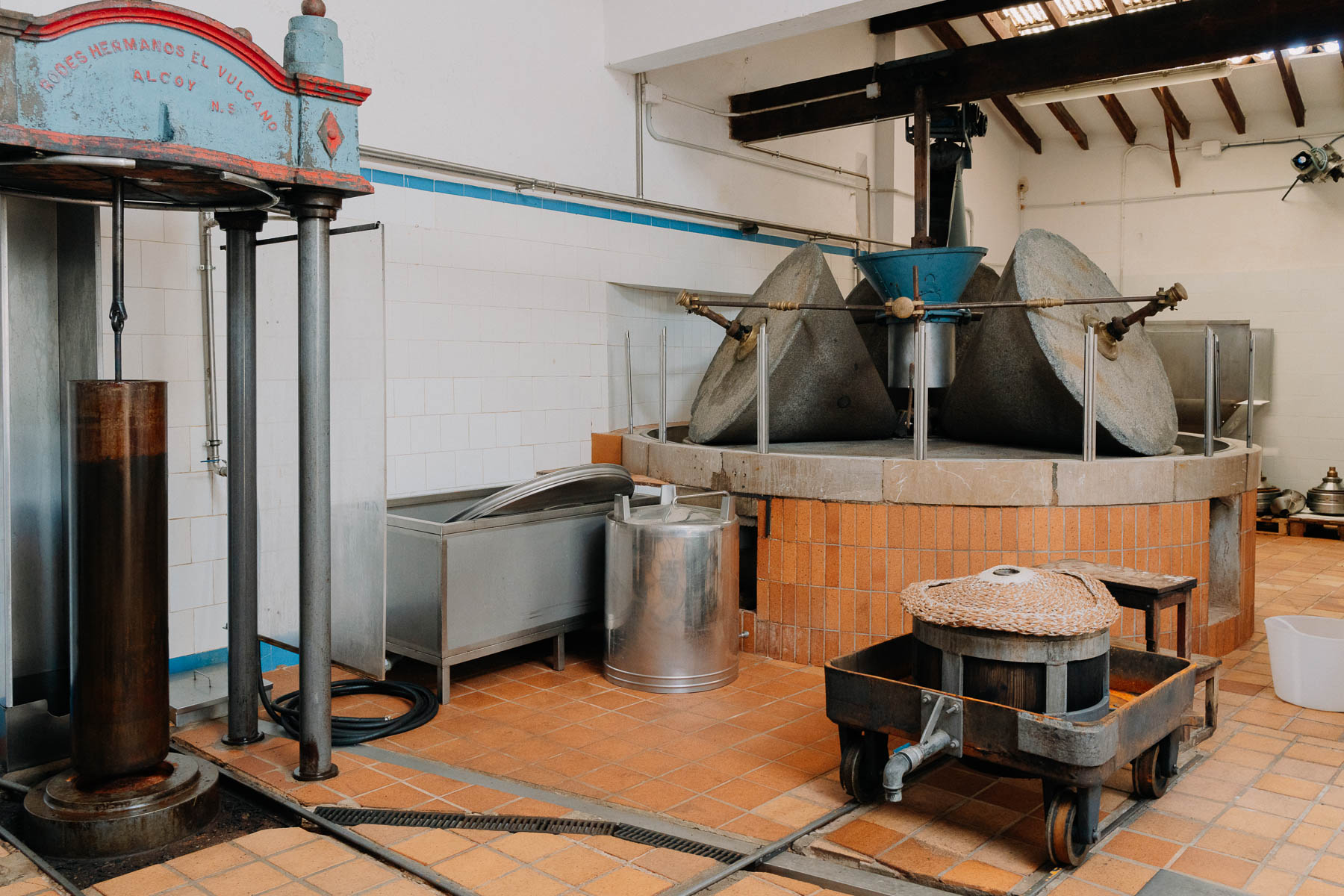
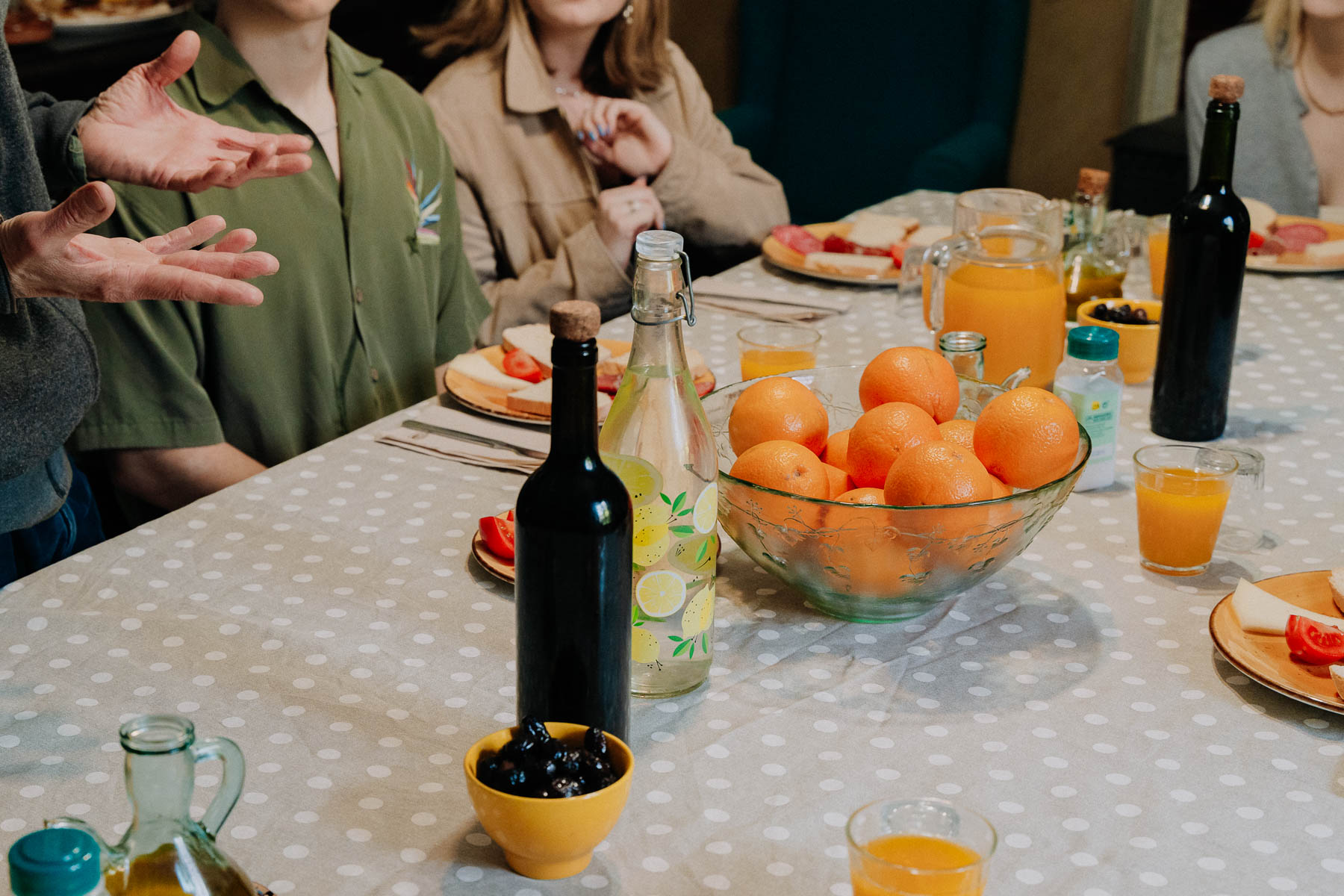
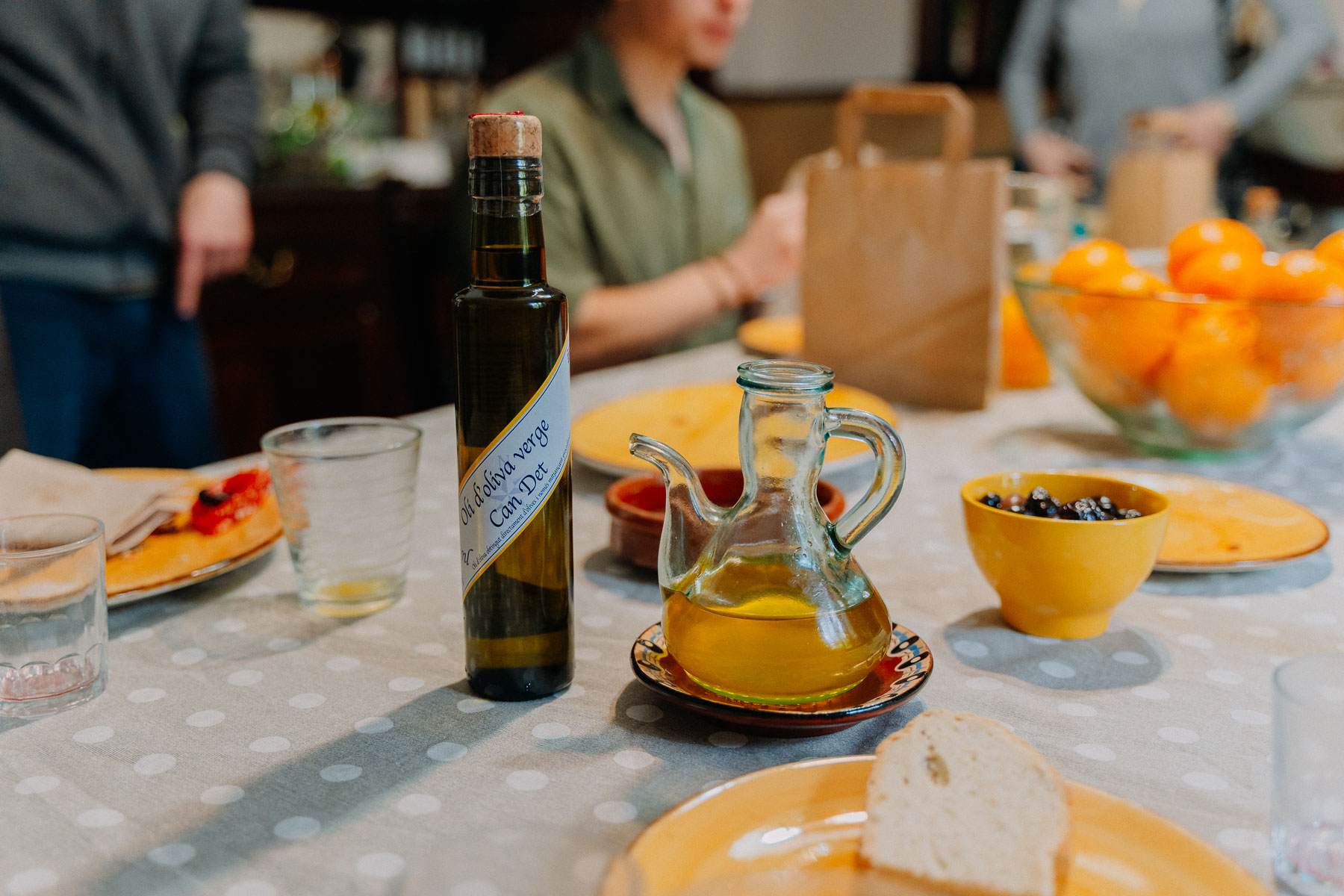
Spring is palpable in Sóller for reasons that sparkle in the sun. The scent of the countryside wafts through the streets driven by the mountain air, locals mingle with tourists to galvanize the atmosphere of the squares and the terraces, of which there are many, are overflowing with customers. Freshly squeezed orange juices on the tables, lips hurrying the last sips of coffee. This is how we find the village after having parked our vehicle. This morning we moved to the valley to get to know a project that carries centuries of history: Can Det. A stately house that preserves an oil mill of those that are no longer easily found, where an oil of ancient character that is already an inherent part of Sóller is still produced.
Our surprise is unleashed right at the beginning of the visit, when Tomeu, one of the people responsible for this project, awaits us at the entrance of the house with a group of people of foreign origin. Three young Americans and a German couple will accompany us on the visit, an immersive experience that seems to arouse the interest of foreigners. We can't hide a hint of pride when we see how people from abroad show interest in our customs. Because that is what we have come to do in Can Det: to rediscover the essence of Mallorca from the hand of an old family, which according to the chronology goes back to 1561. We are eager to taste their oil, but we are even more delighted to hear the words of Tomeu, who invites us to enter the entrance hall of the house through a door with a semicircular arch.
We find ourselves in a room lined with stone, an austere space that in the mountains becomes so representative. It is there where Tomeu, in conscientiously learned English, shows us an explanatory video that summarizes the effort involved in working in the fields, picking the olives as they did in the old days, transporting them to the oil mill, which is still in perfect condition. The lands of their farms are full of ancient olive trees, trees that drink from a spring also shared by their orange trees. At Can Det they have made sustainability one of their strongest hallmarks; the efficiency of their irrigation system speaks of their attachment to ecology.
We cross the foyer of the house and notice the tiling of some of the rooms, made of a hydraulic material so shiny that it almost reflects our silhouette. As our steps advance we realize something: we had rarely visited a project that transpired so much authenticity; the history of Can Det is as unusual as the mechanisms they still use to produce their product. We enter a space that at the beginning of spring, the time we are in, is practically unused. It is in October when the machine room of this large house becomes fully operational. The Can Det mill dates back to the 16th century, a vestige of the past that Tomeu shows us with some satisfaction, as it is the only one in the whole Balearic Islands that still uses traditional methods: three conical stones of one thousand five hundred kilos grind the olives driven by an electric motor.
The arrival of electricity in 1942 revolutionized the production system, but its methods remain beautifully rooted in craftsmanship and tradition. Just look at the olive presses that are still used for pressing olives. Just look at the lushness of a garden that, when the summer heat is hot, will be used to stretch out in the shade of a wisteria tree. The lineage of the Deyá Ozonas family goes way back in time, its branches reach as far as the 16th century, as certified by a family tree framed on the dining room wall. Beyond the production of their own oil, they also put their oil mill at the service of small producers of the Serra de Tramuntana, who press their olives there and then take their oil for their own consumption.
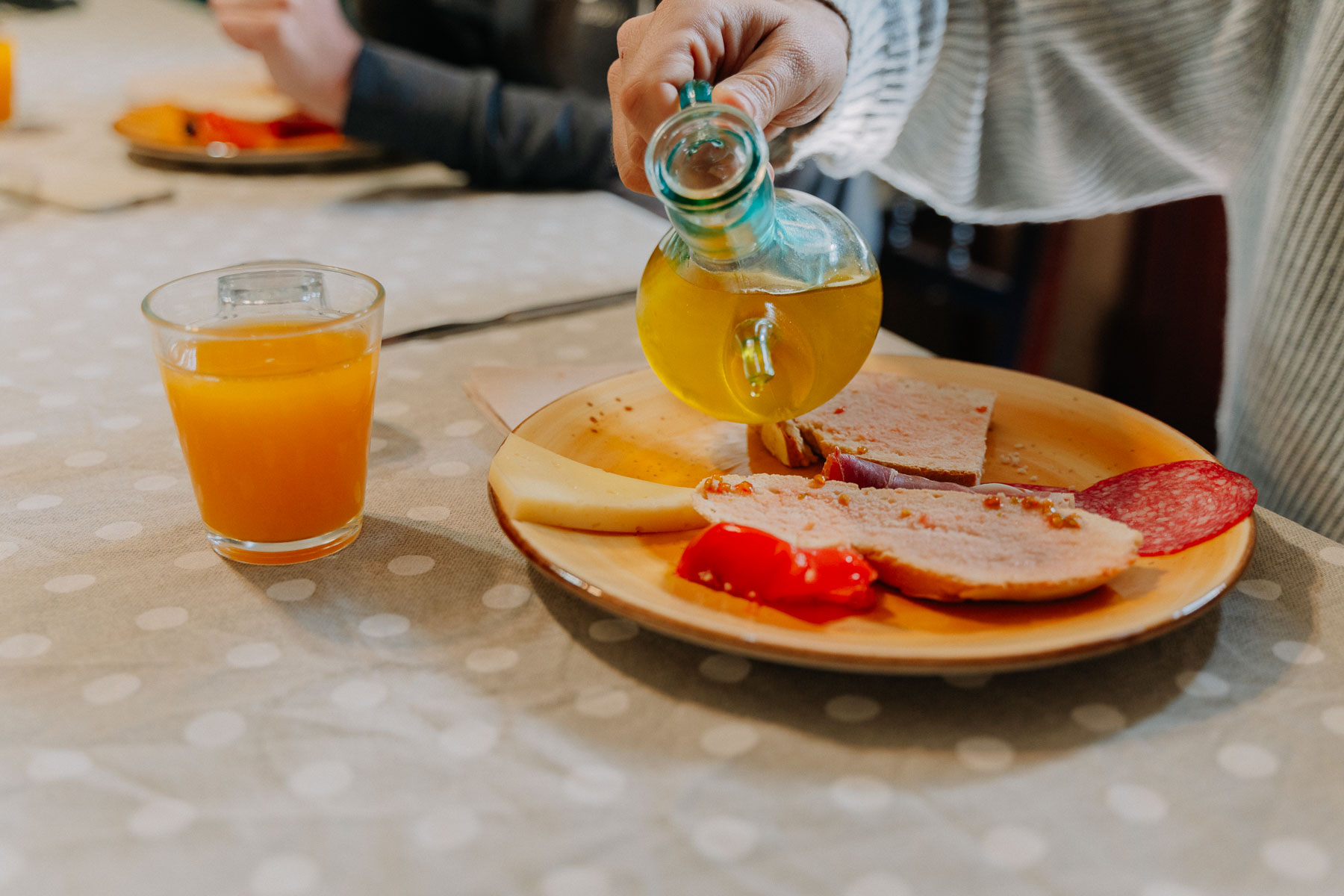
Tomeu tells us all this as we sit at the table where he and his family used to eat their meals in the distant past. Somehow, we feel the echoes of some home scenes while he serves us some bread toasts, tomato slices, sausage, a homemade wine from Santa Maria, a portion of gató, marmalade from the oranges that germinate in his trees and some bowls overflowing with black olives and almonds. Theirs, those of their own cultivation. The main ingredient of the party cannot be missing at breakfast: the oil that has summoned all the attendees around the table. Tomeu performs the functions of master of ceremonies, he explains to his guests how the liturgy of the Majorcan berenar is celebrated. After rubbing a ramallet tomato on the bread, we pour the oil on its crumb. The liquid pours right out like molten gold, we nibble it and notice the maturity of its flavor. The tourists who are with us taste it as if it was a delicacy from another planet. But we have it here, it is born from the ground we walk on. And we should celebrate that luck.
Suggested options