Is food capable of explaining our culture, our history and our roots, and what position do they occupy in the relationships we build? These are some of the questions that made Deborah Piña reflect during a trip to Mexico. Actually, the Mallorcan graduated in law and sociology, but it was a stay in the country of tacos and mezcal that changed her vision about the role that food plays in our lives. "Corn is capable of explaining an entire civilization. That's when I asked myself what was the food that gave meaning to the Mediterranean," she tells us during our relaxed conversation. This reflection on corn would be the seed of what today is Deborah's Culinary Island, a personal project that revolves around the Mediterranean food, her passion.
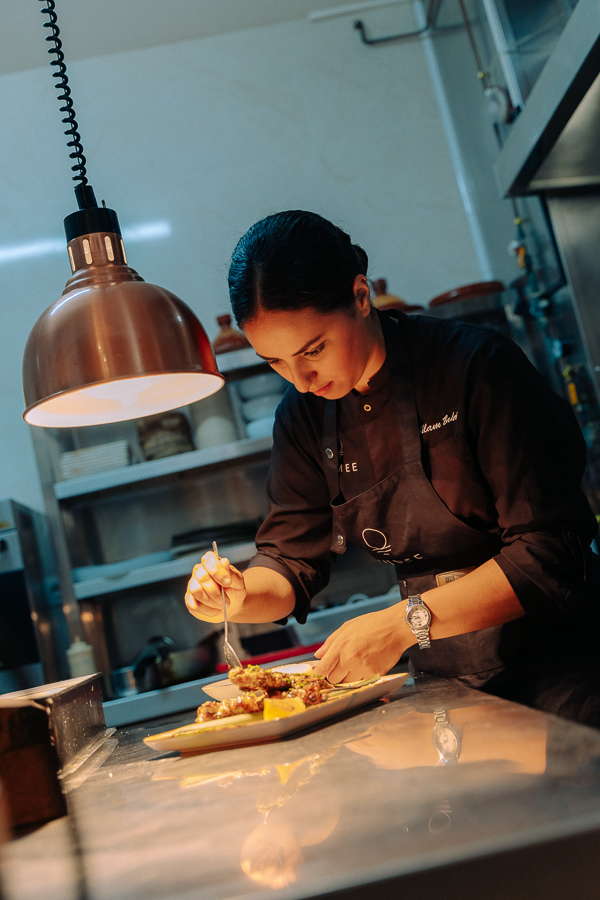
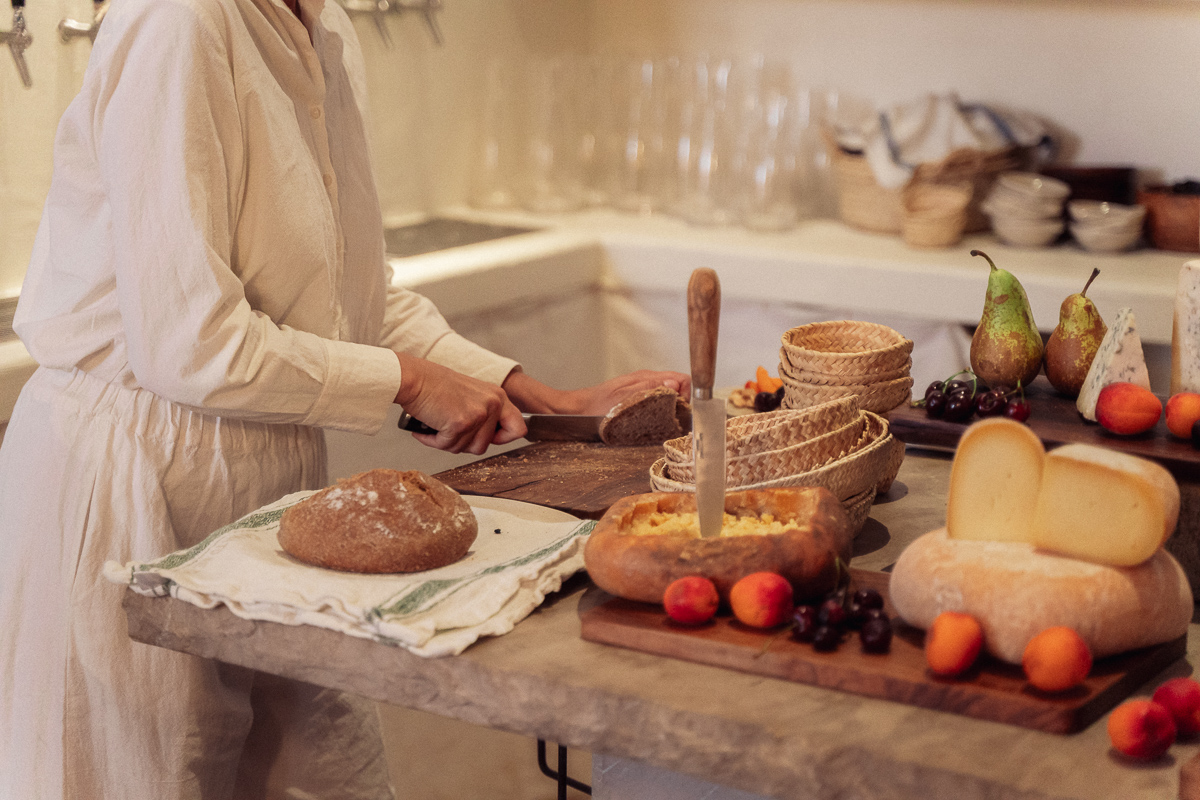
Currently, and for some years now, Piña has been developing experiences with the aim of promoting local food culture in an old 18th century bakery located in the center of Palma. Hers is not a typical cooking school, but rather a cultural experience that offers the possibility of getting closer to that other Mallorca, the authentic, tasty, aromatic and, in short, the rooted one.
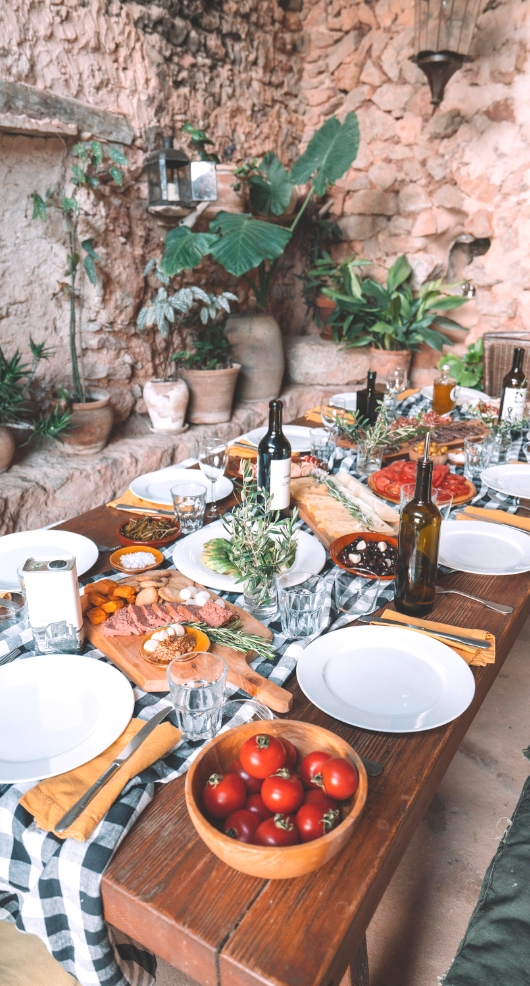
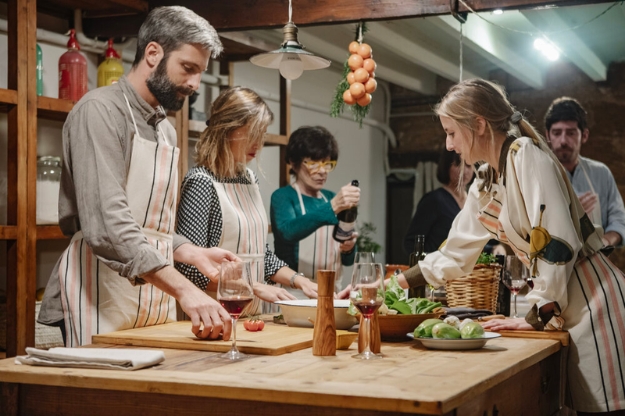
In order to make known -and bring closer- to the people who visit us that other side of Mallorca, it creates and teaches courses, itineraries and events, and offers its private catering service. In workshops in small groups, for example, she teaches tourists - 90% of her clients are foreigners - Mediterranean food, typical dishes and culinary traditions. At events, for which she seeks locations in the heart of nature, manor houses or vineyards, she offers tours that combine cultural and historical discovery with the tasting of local products.
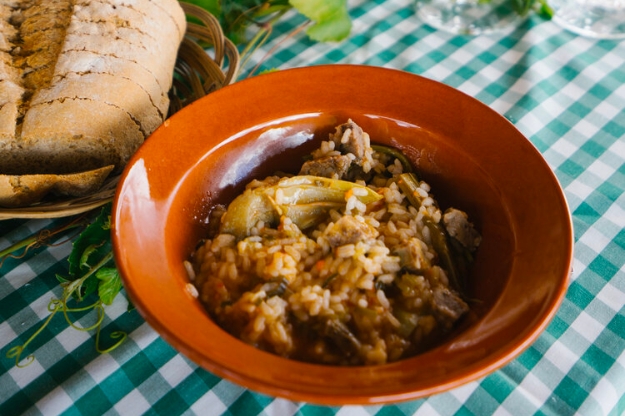
All its services have a common purpose: to make the local gastronomic culture known, to be a bridge between cultures, to make those who wish to discover the island connect with the culinary identity of the place. In order to make it possible, there is nothing impostured or far-fetched in her initiatives because what she wants to reach is that grandmother's food, from home, in a certain way somewhat primitive, which perhaps is no longer found in many restaurants nowadays.
"Tourism can be very profitable when we rethink the cultural richness of the exchange.”
The original concept of her proposals is inspired by the experiences she likes to live when she visits other places, other cultures. When she travels, she confesses, she likes to "go to the market, meet local people, discover products..." and that is exactly what she tries to recreate in her project. In this journey towards authenticity there is also a very important factor that Piña values and appreciates, the human factor: "I am very lucky with the people who come and I have enjoyed meeting all the people who have come this summer. It has been an encounter, an enrichment. Tourism can be something very profitable when we rethink the cultural richness of the exchange".
In addition to the search for the human, the cultural and the authentic, another theme that comes to light in our conversation is that of nature, linked to that of medicine. "When you look for the essence of flavors, smells and ingredients that represent an identity, you find yourself with vegetation, with nature, which are a source of food and medicine." In fact, together with her friend Joan Canaves, herbalist and distiller, they both experience this essence of the island both in workshops and in their essential Mallorca retreat.
In this unique proposal, which has already celebrated its second edition, both propose a few days of connection in nature in which plants and local products -and their innumerable benefits- are the protagonists. Again, when talking about the retreat in Puig de Randa, the word roots comes up again: "in a pomegranate, in rosemary, in a llonganissa... there we can find our roots in taste and smell. And we must protect and guard them".
"From love awakens the conscience".
Deborah Piña's project is taking shape over time, organically. She has been a private chef for more than ten years and, little by little, she has been developing the rest of her services. During the hardest months of the pandemic -and the successive confinements- she had to stop and, during that time, she understood the importance and the meaning of what she was doing. It was then when she realized that she wanted to be of service to the island. "I wanted to take care of it, for people to get to know it from a more intimate angle and, from there, be able to love it".
In this desire to care, sustainability also plays an important role. Like everyone else, Piña reviews the points in which her work can be improved towards a more respectful path with the planet, but undoubtedly its positive impact -perhaps indirectly- is already present in many daily actions: she bets on local producers, favors the local chain and invites, through her experiences, to love the island because, as she reflects aloud, "from love, consciousness is awakened".
Food unites us. Cooking together, celebrating around a table, tasting ingredients, tasting a good wine and toasting with it... are small daily gestures that are part of our lifestyle. Simple acts that pay homage to our traditions, our roots, our way of being and living together. And that is exactly what Piña proposes and vindicates. We couldn't like more to turn our gaze towards the land and its fruits; that appreciation for the taste, the touch, the aroma of a Mallorca that we will always be ready to rediscover.