 Gastronomy
Gastronomy
Read moreYumee. Where Cuisines Meet
Mark as favorite
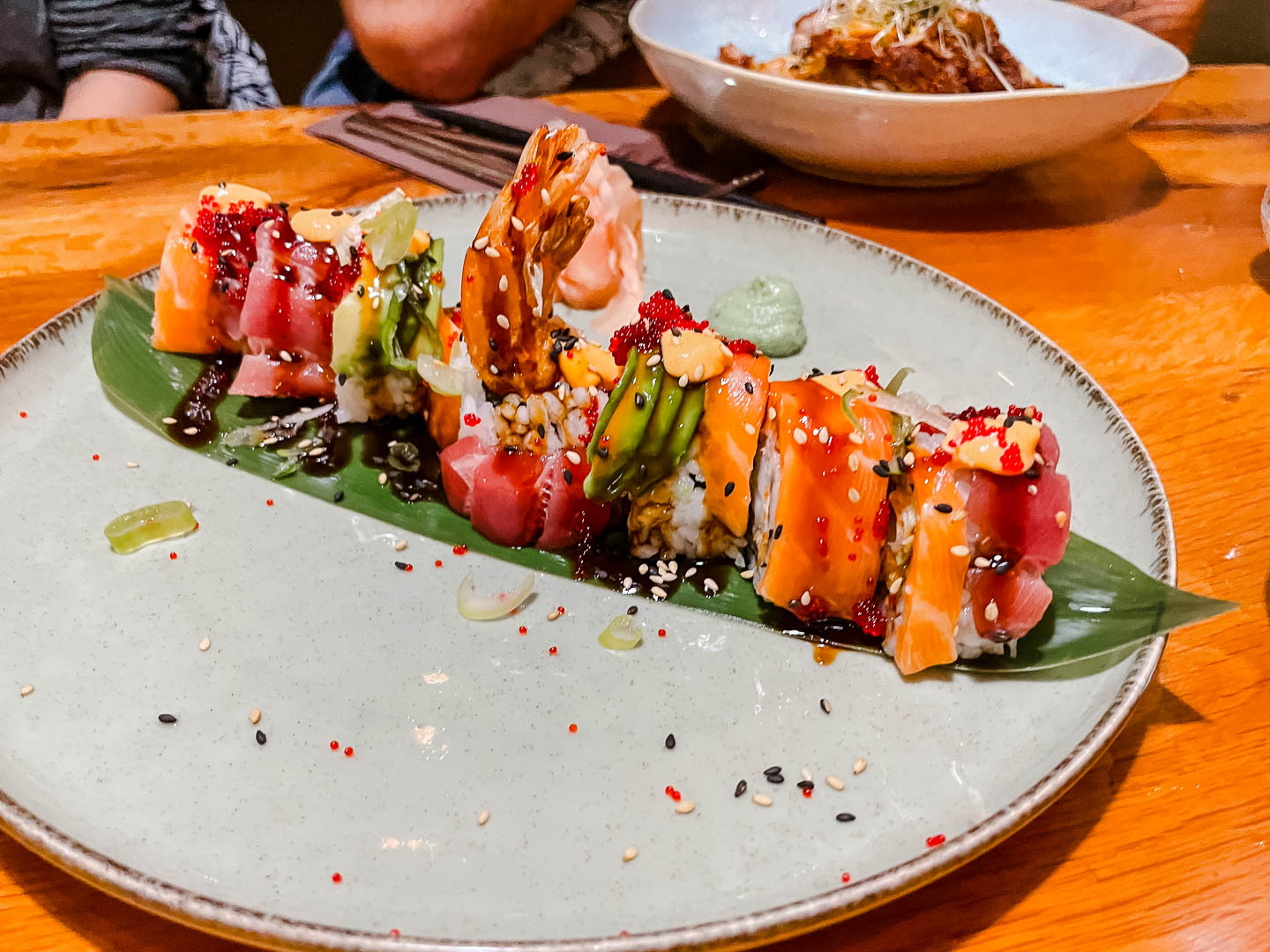
Right in the center of Palma, in one of the corners that flank the Plaça del Mercat, is the Korean restaurant Bi Bap. An infallible bet full of aroma and flavor.


Author: Aina Coll
Photographer: Jaume Oliver
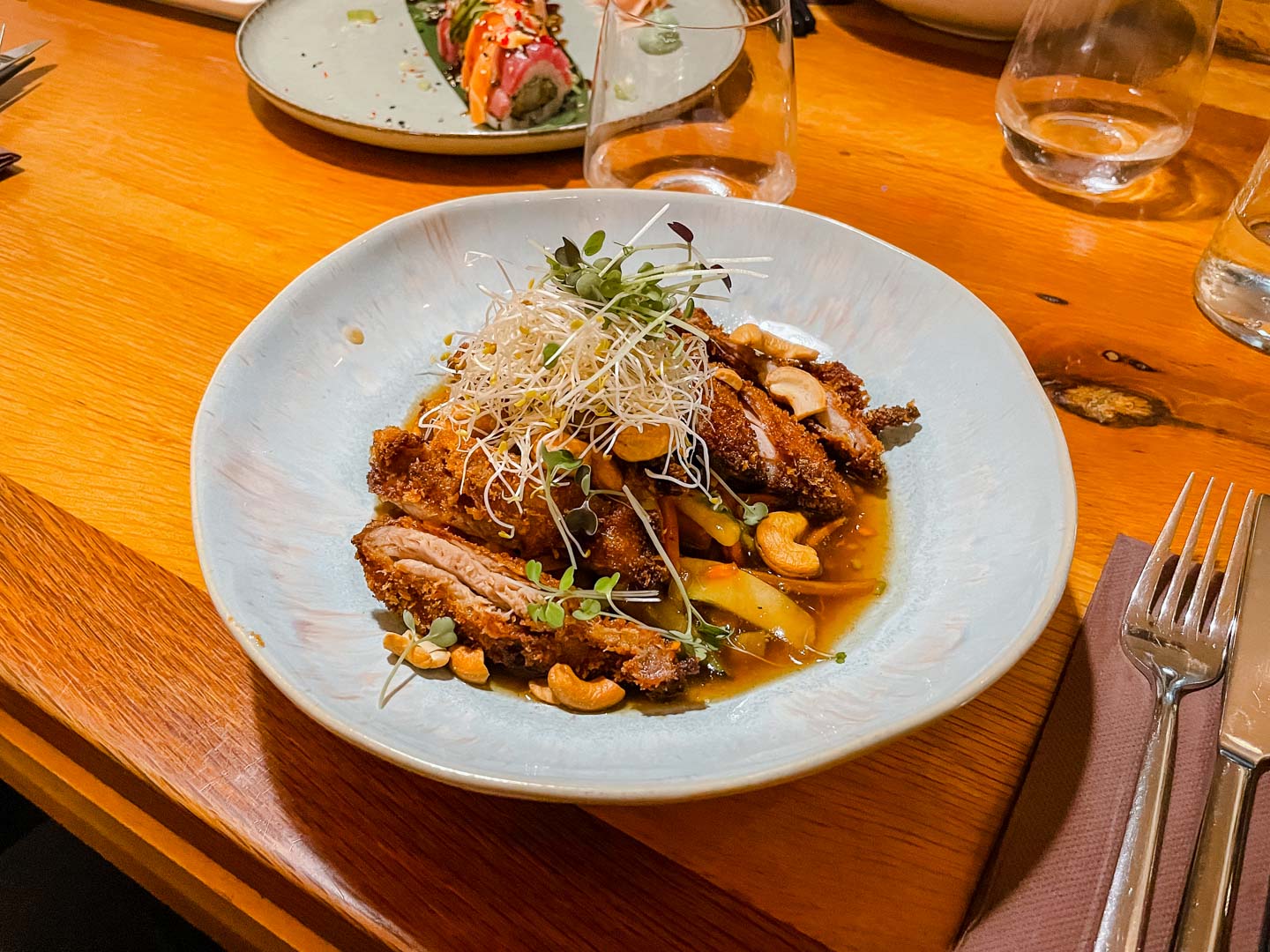
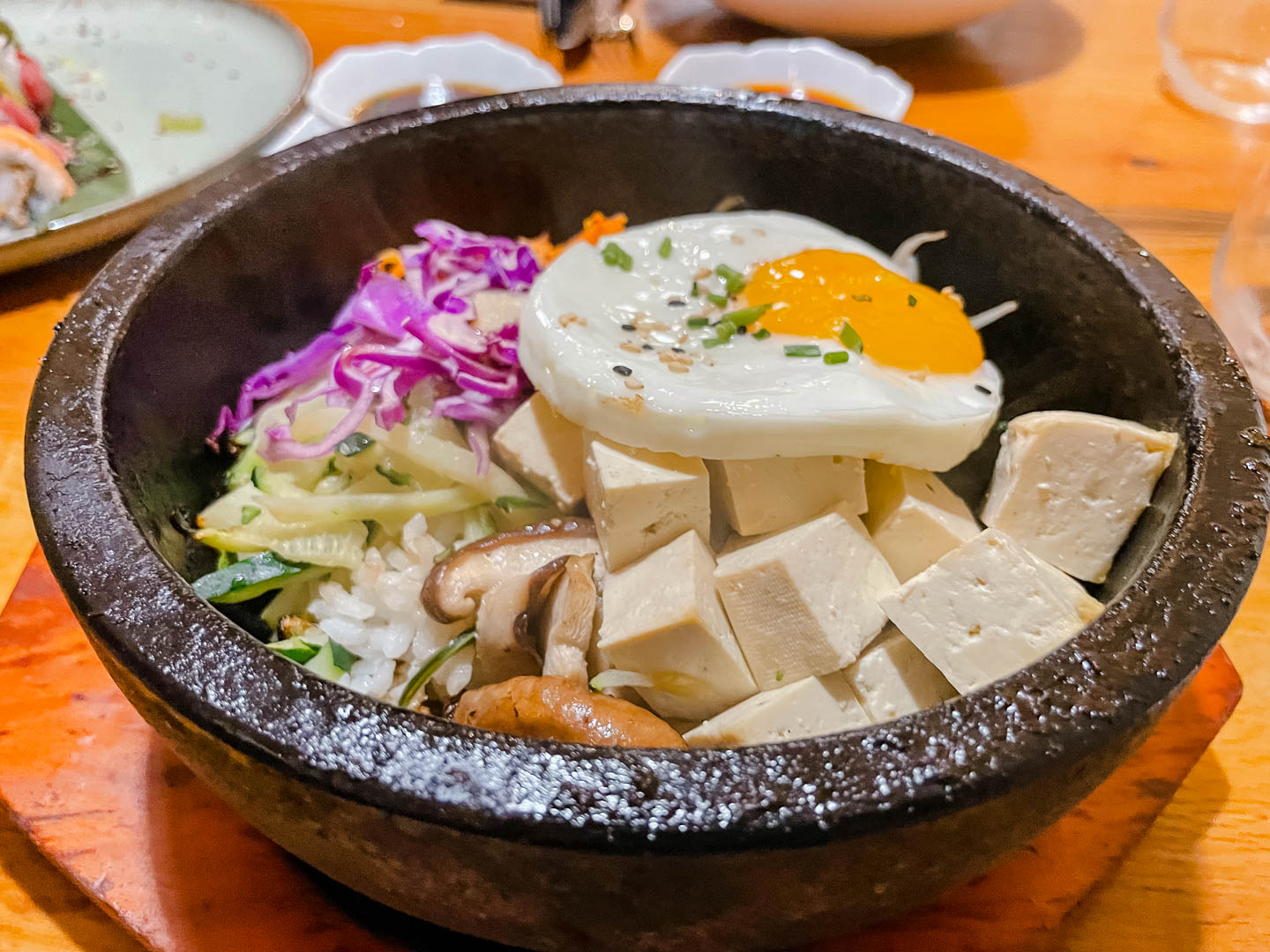
On a hot Tuesday in July, after an intense working day and some quick shopping (we can't resist taking a look at the new products brought by Piel de Gallina or doing some shopping at our favorite stalls in the Mercat de l'Olivar) if we are in the center, Bi Bap brings us a breath of fresh air. Maybe because of the expressive coriander, maybe because of the delicious curry or maybe because of the soft smell of coconut that welcomes us when we cross the threshold, this restaurant in Plaça del Mercat does not stop adding followers -locals and visitors- at noon and at night, in winter and in summer. We confess: it is not our first time here, but today we come ready to taste new flavors from the other side of the planet.
As soon as we arrive at the restaurant, a modern, cozy and well-kept space, we sit at a table for two next to the large window that allows us to contemplate the terrace -almost empty at this time of day due to the intense sun, but usually crowded at dinner time- and we order a few beers to lower the temperature while we browse the menu. It is difficult -very difficult- to choose among so many succulent proposals with a common denominator: all Bi Bap's dishes are based on traditional Korean recipes that have been successfully updated and cooked with fresh, mostly seasonal, local and organic products. In addition, some of Bi Bap's essential ingredients, such as soy sauce, Gochujang - a paste made from chili powder, rice, malt powder and salt - and kimchi, are made right in Bi Bap's kitchen.
The house kimchi salad, in fact, is our choice to start this journey to the Korean peninsula. With a generous base of vegetables and fruits, and its unmistakable fermented napa cabbage, this vegan salad dazzles us at the first bite. The aroma is intense and the spicy touch permeates our mouth without overpowering it, just the way we like it. The origin of kimchi -for beginners in Asian cuisine in general- goes back centuries, when Koreans were looking for ways to preserve vegetables without giving up their nutrients despite the passage of time. Also, as a curiosity, today we discovered that in 2015 UNESCO declared this delicacy an intangible cultural heritage of Korea and, after tasting Bi Bap's, we understand why.
While we share this delicious salad the suggestion of the day comes. A chef's recommendation that translates into a great culinary success: an exquisite sea bream, mango and pomegranate ceviche, garnished with fresh coriander leaves, crunchy dehydrated banana, sprouts and spices, witch refreshes our palate. Plated as a small work of art, this colorful and creative dish is one of those that deserves the attention of all five senses and forces you to savor it bite by bite, unhurried, to enjoy each of its nuances.
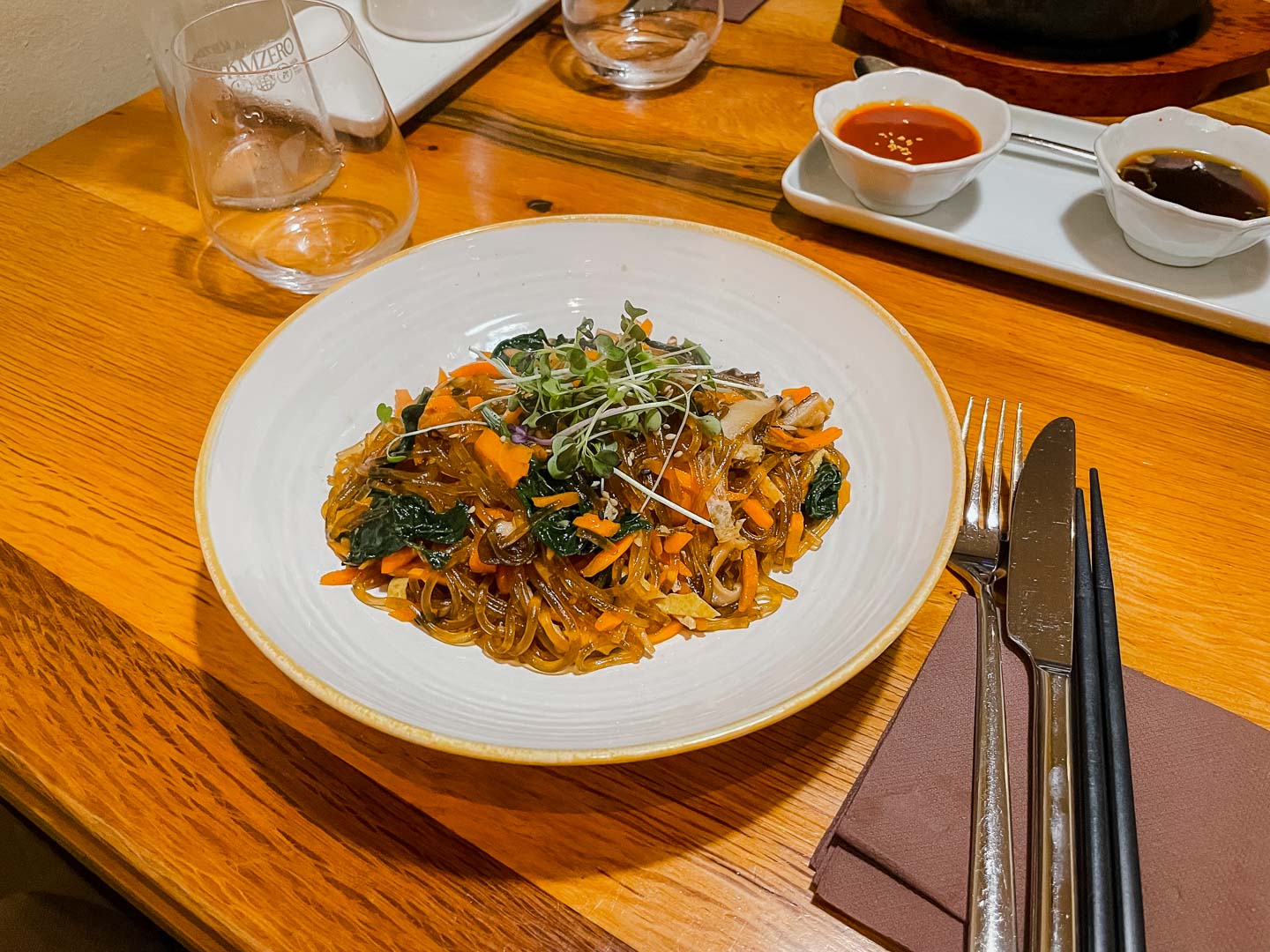
Among the comings and goings of diners and while we take a photo of a friendly German family devouring sushi at the neighboring table, our last bet arrives, a classic that all Bi Bap fans love (and we know more than one): the thai red bowl with red curry and coconut. A proposal that, on this occasion, we chose in its vegetarian version with green asparagus, broccoli and tofu, accompanied by white rice. A more hearty and comforting dish, but not heavy at all, as its sauce is smooth and its flavors are assembled in harmony.
Full of aromas and nuances, today we cannot cover the desserts, but as we know them well, we cannot fail to recommend their homemade mango mousse or matcha tea ice cream, the perfect -and refreshing- climax to combat the heat that greets us, again, when leaving the premises although, let's be honest, after this lunch, we face the afternoon with the best taste possible in our mouths.
Suggested options