 Gastronomy
Gastronomy
Read moreYumee. Where Cuisines Meet
Mark as favorite
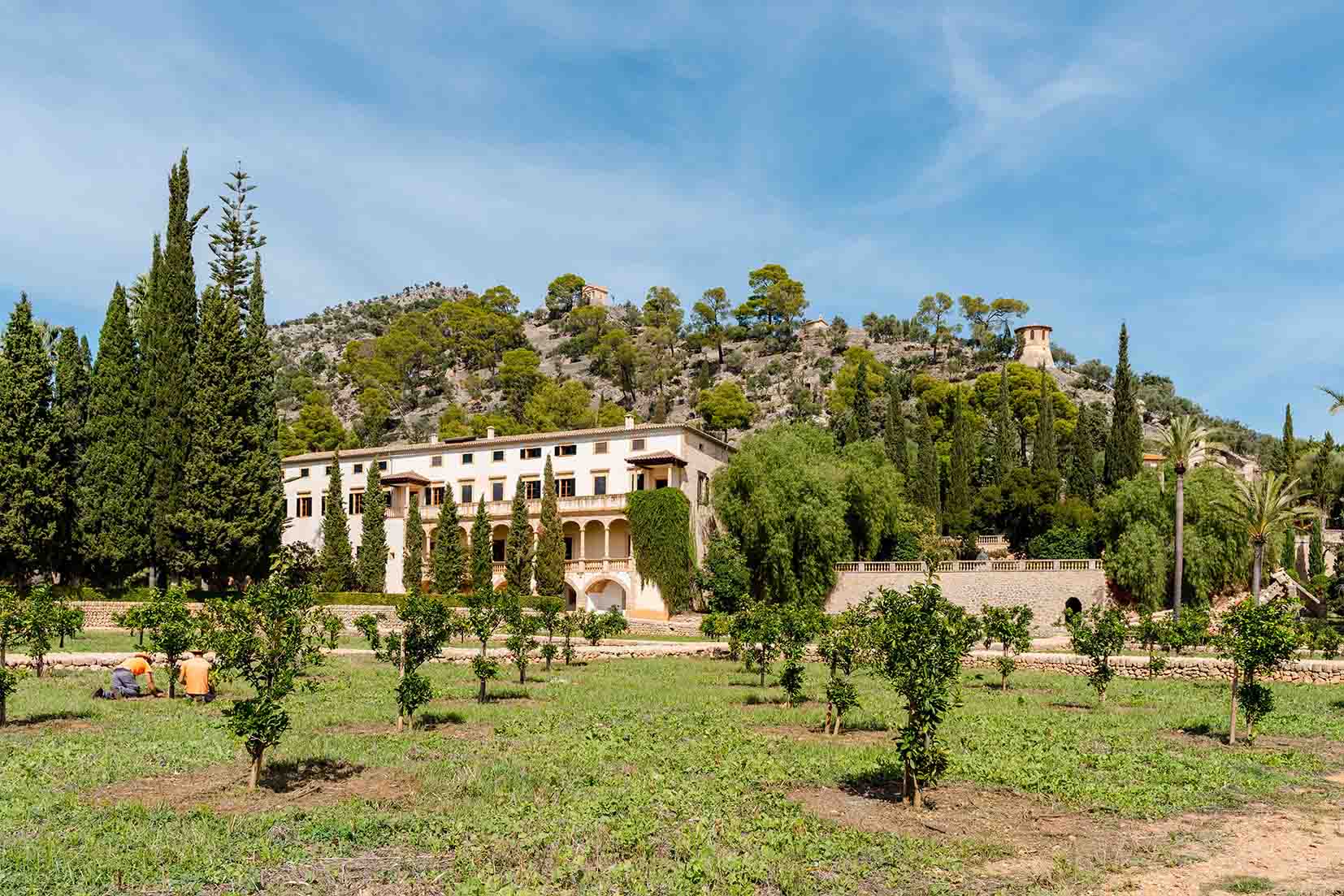
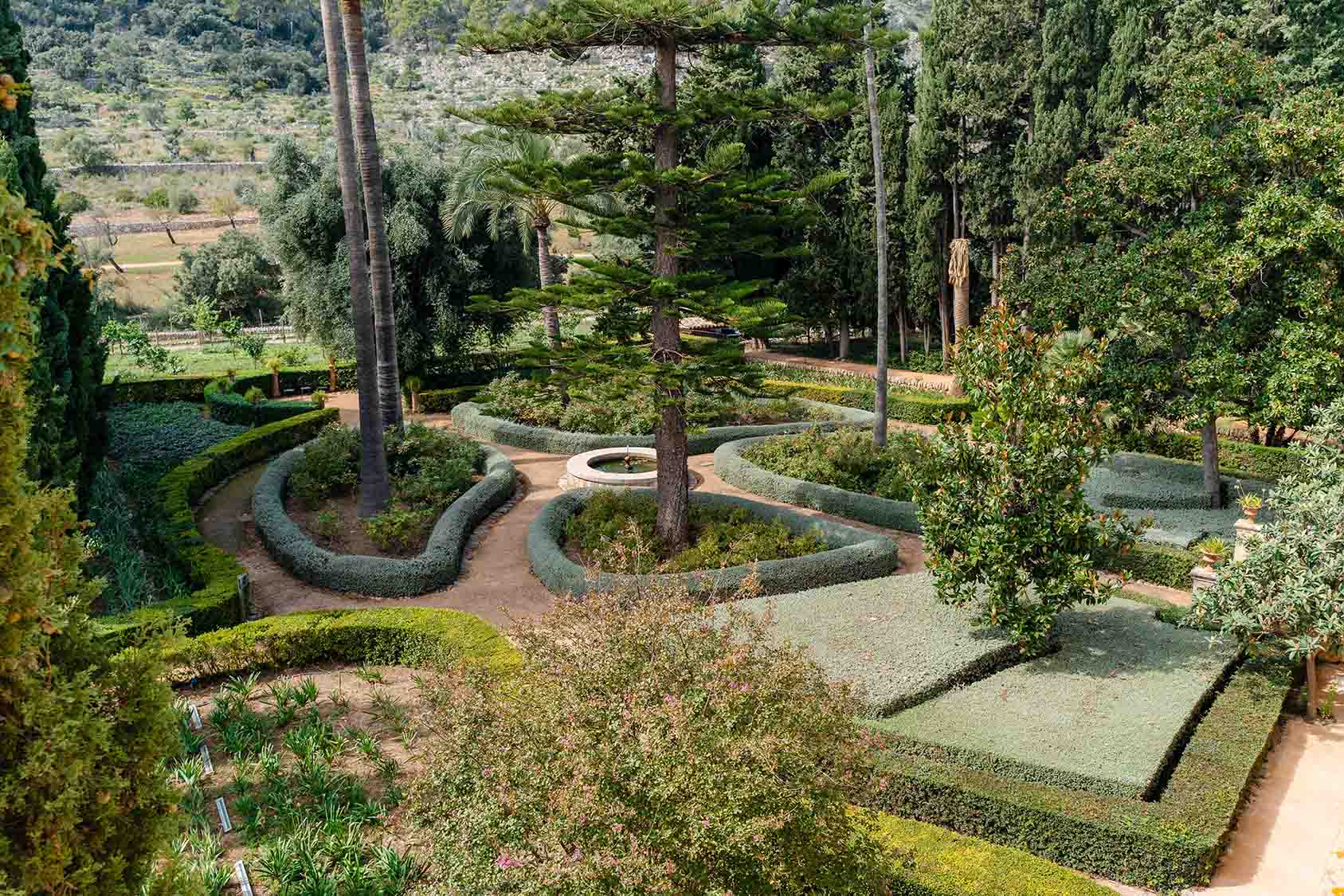
The main garden of Raixa unfolds before us and the mountains, with their marjades de pedra en sec, spread out in a postcard image.


Author: Aina Coll
Photographer: Jaume Oliver
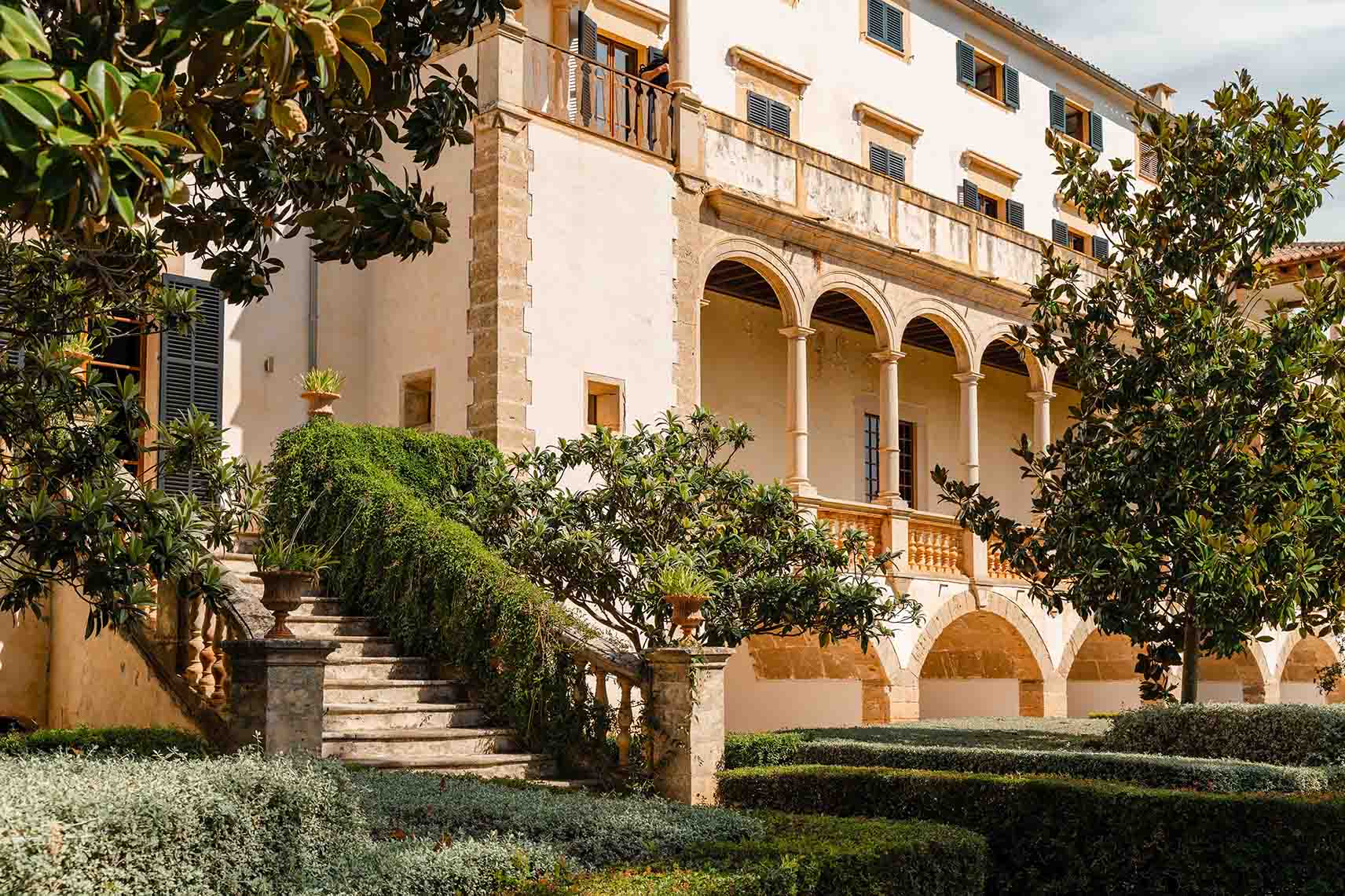
Raixa is a possessió, a set of spectacular gardens and, above all, a privileged witness of the historical changes that have taken place in Mallorca. One morning in September, we decided to go to Bunyola to unravel the past that the place testifies. As soon as we arrive, around midday, we cross the dirt road guarded by olive and carob trees, and park easily in the parking lot. From this very moment, we become enthusiastic about the environment and the imposing beauty that Raixa transmits.
We head towards this construction of Arab origin -we will soon find numerous explanatory signs that help us make this journey through time-, among lemon trees, pomegranate trees, a small vineyard of malvasia and flowering plants that welcome us with their nice aroma. A small pond full of water lilies and dragonflies catches our attention and now finally, we enter the possessió.
Inside we meet two workers -the management of Raixa is in the hands of the Consell de Mallorca- who inform us that the visit is completely free and provide us with a map and an audio guide. Equipped and encouraged, we set out to learn a little more about the history of this place.
In the first room we find several televisions projecting images of the daily life of the different villages of the Serra de Tramuntana and, as we move forward, we find an open window. Curious, we go out to the balcony and the landscape - so ours, but always so captivating - and it leaves us speechless: the main garden of Raixa unfolds before us and the mountains, with their marjades de pedra en sec - a construction technique that has survived since prehistoric times - extend in a postcard image whose undisputed protagonist is nature.
After enjoying the spectacular scenery for a few moments -and trying to record the landscape in our retinas- we return to the interior and come across a huge map of Mallorca, dating from 1784, at our feet. After a few moments of exploring 18th century Mallorca and its toponymy, we start to climb up a spiral staircase that leads us to a masterful exhibition on the importance of stone in the Serra de Tramuntana. Here, the charcoal ovens, the charcoal makers' houses, the defense towers and the marges that stretch from one end of the mountain range to the other have always been built with limestone, shaped by the weather.
After understanding the role that stone has played on the island thanks to the explanatory panels, we move on and reach the room frequented by Cardinal Despuig on his repeated visits to the island and, from here, we discover the dining room of the house, which retains some details of the time. Behind a half-open wooden door, we find the kitchen and the servants' dining room, much simpler and more austere, but where it is difficult not to imagine how the house staff must have worked in those times.
From the kitchen we are surprised by the views of the oil mill which, as a panel again informs us, is documented as early as 1619 and where the oil that was the main source of wealth of the estate was produced. In addition, another fact attracts our attention and it is that, as we are explained, inside the kitchen there was a hole that allowed to throw the organic remains to the stable of the tafona - as the oil mills are known in Mallorca - thus feeding the mule that went around to grind the olives.
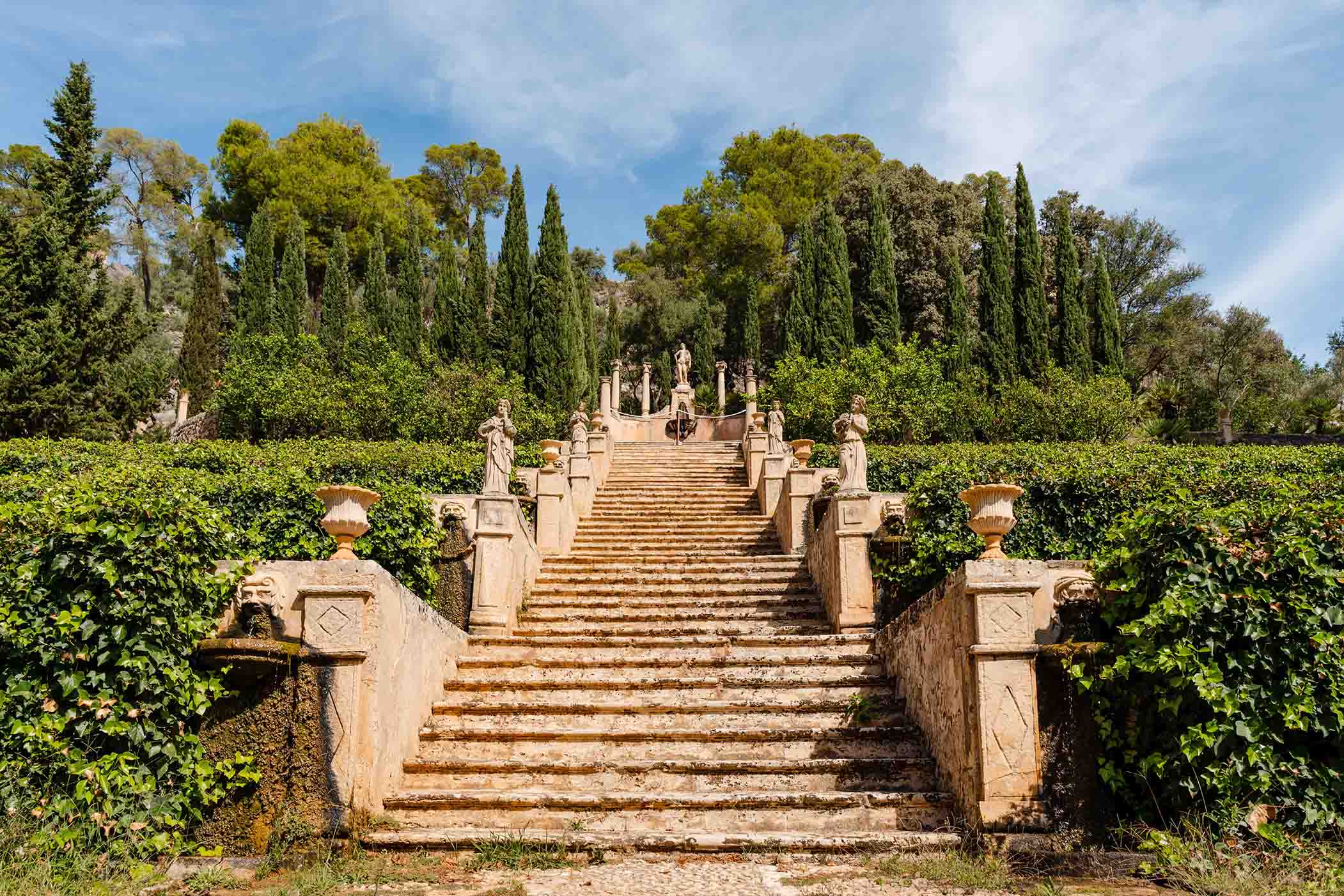
After this fascinating tour through the interior of the possessió, we return to the outside through the back and we find the majestic stairs of the Garden of Apollo. Built, of course, with stone, we climb step by step until we reach the top of the stairs, crowned by a statue of the god of the sun, the arts, beauty, music and light. The ascent, however, does not end here: we take the path to the hermitage and enjoy the views, with the Bay of Palma in the distance, marges, safareigs, vegetation and water. Encouraged by the hike, we climbed the slope and reached the hermitage from where, despite the heat, we could enjoy wonderful views.
Before saying goodbye to Raixa, we return to the main garden and contemplate this picture in which pines, palm trees, orange trees and flowers coexist with the splendorous mountain. Emblem of the Mallorcan natural landscape, Raixa surprises us not only for its unquestionable beauty, but also for all that it teaches, to locals and visitors, about history, our history. A lesson about our roots.
Suggested options