 Gastronomy
Gastronomy
Read moreYumee. Where Cuisines Meet
Mark as favorite
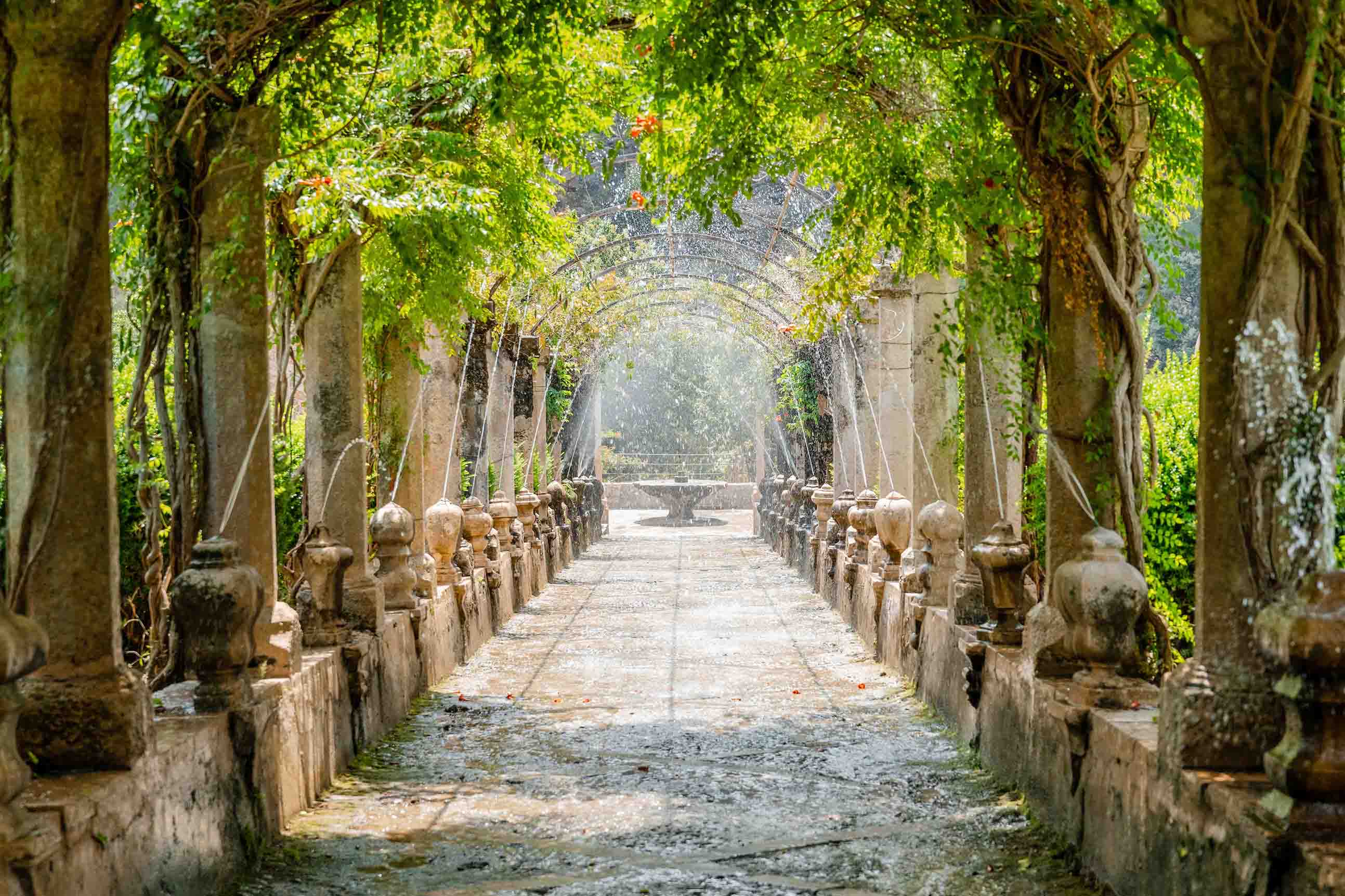
In Alfàbia, the well-kept and lush vegetation of its gardens coexists in absolute harmony with the splendid Serra de Tramuntana.


Author: Aina Coll
Photographer: Jaume Oliver
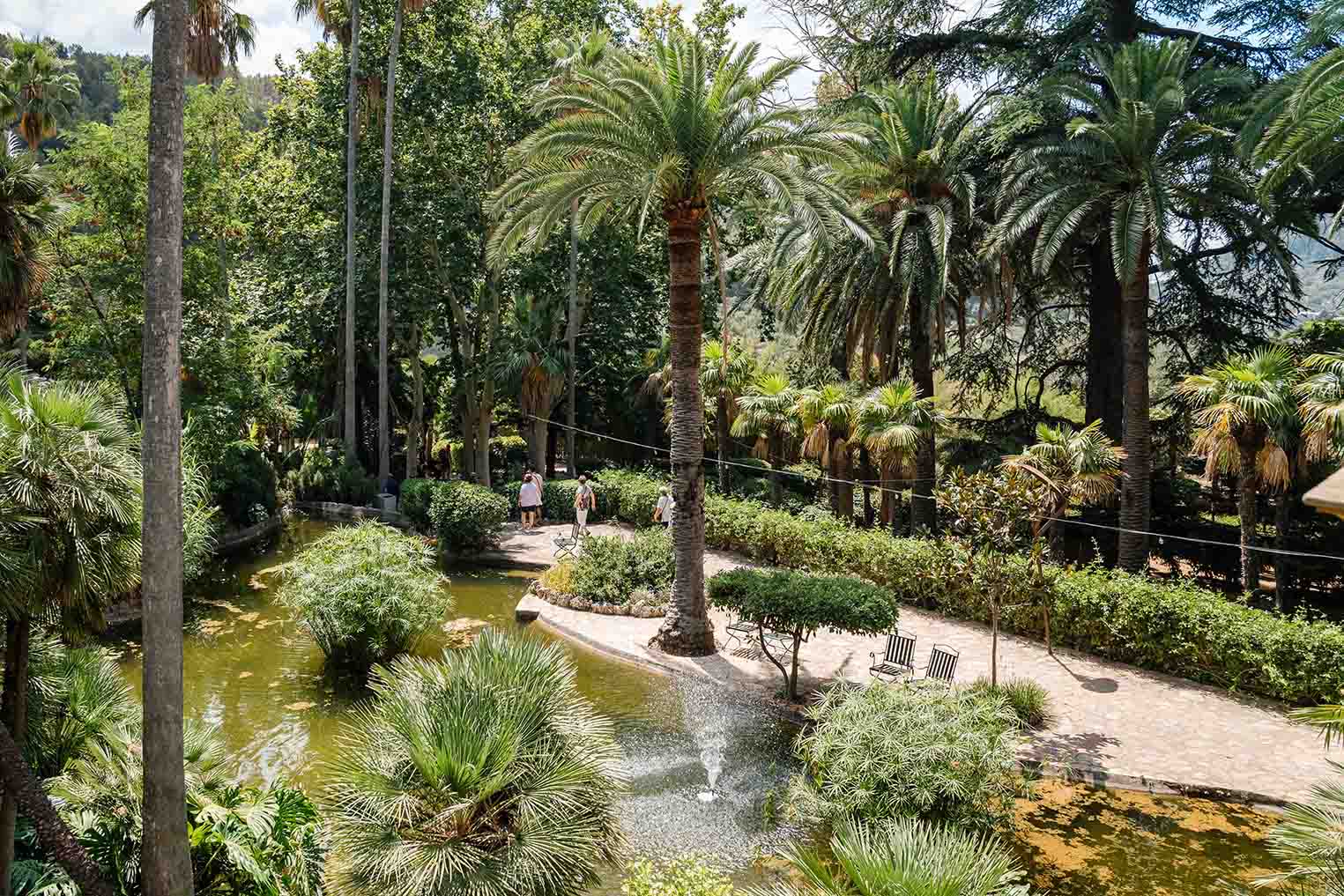
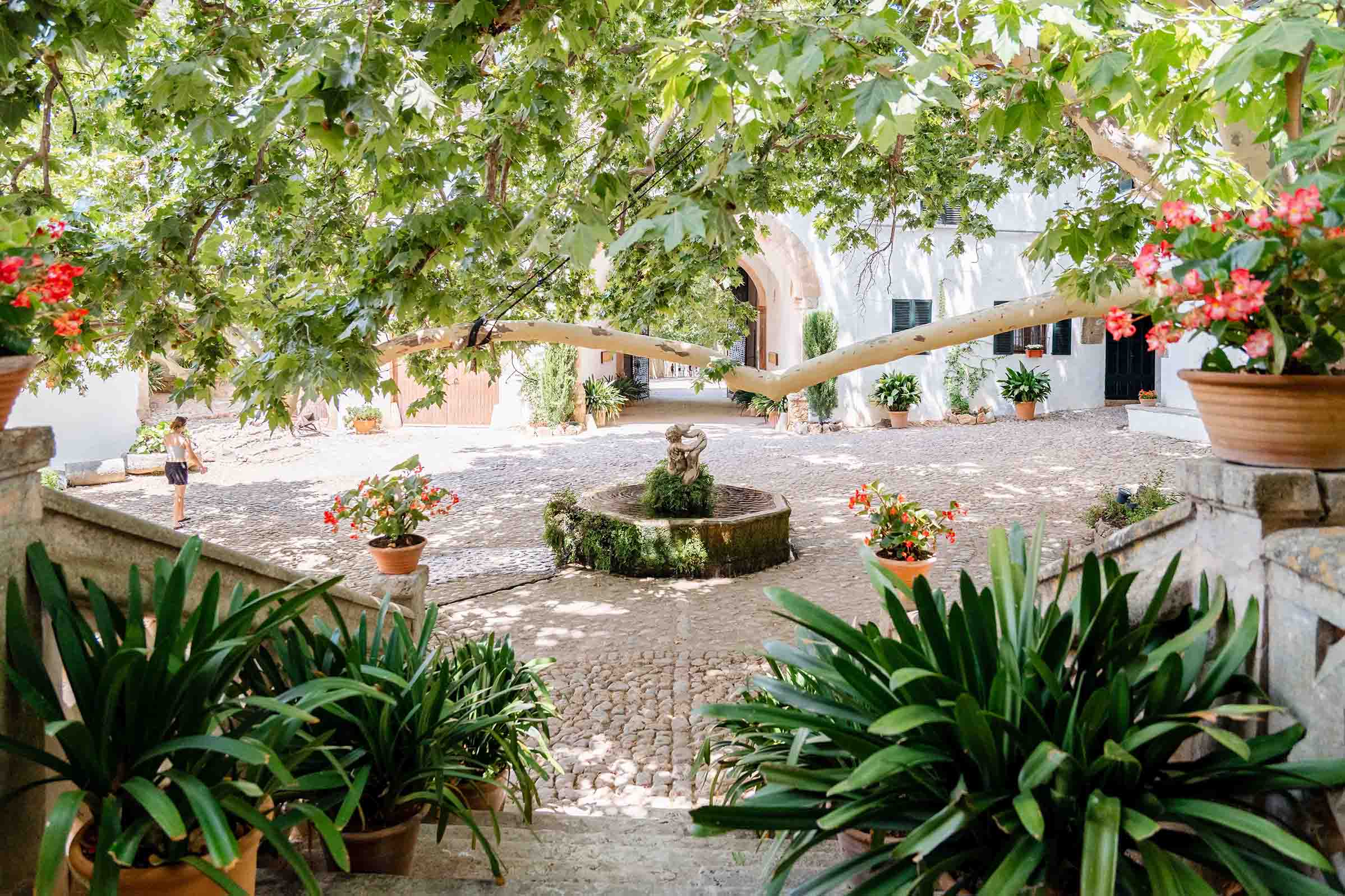
In the place of the Serra de Tramuntana, in the municipality of Bunyola, there are gardens with an incomparable charm: the Gardens of Alfàbia. Its lush vegetation is undoubtedly the most outstanding element, but not the only one. We went there one morning in September to get lost in this oasis of flora and water, and let ourselves be surprised.
As soon as we arrive – we have done so in an electric car, but it can also be done in the mythical train of Sóller – we climb a majestic stone staircase that is wrapped by the huge leaves of the plane trees – not banana trees – that guard the entrance. An imposing and bucolic welcome that takes us to the clastra, the typical courtyard of the country houses of the island that welcomes the house.
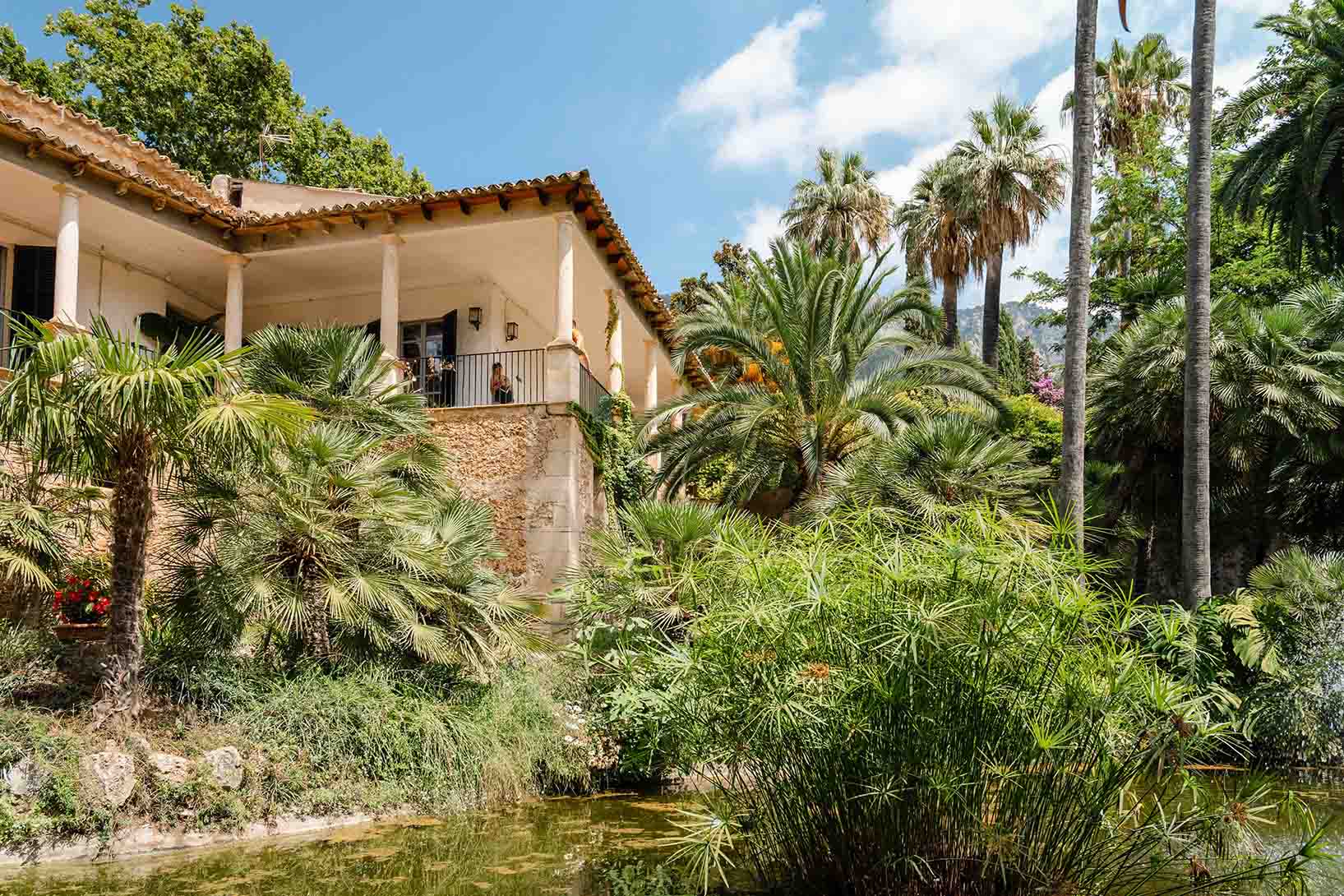
The house of Alfàbia captivates us at first sight and we already sense that it treasures centuries of history inside. In fact, as we will discover in a while, different architectural and artistic styles coexist in it -Arabic, Gothic, Renaissance and, above all, Baroque- due to the renovations that have occurred over time. However, for the time being, we stayed outside and here we received -amazed- the first surprise: a plate of water that catches our attention and that of all the curious people who visit the gardens today. In it the landscape is projected, the mountains of the sierra, which suddenly unfold thanks to the water.
After taking a photograph -almost forced by the beauty of this curious corner- we continue towards a passageway flanked by columns and vegetation that form a tunnel that, again, leaves us speechless: rebuilt in the eighteenth century, in this original avenue, an integrated irrigation system makes water flow from the sides, refreshing the environment and plants, as we cross it. We are on the pergola promenade, a magical place.
Leaving this tunnel behind, we find the orchard that belongs to the house and the walk of the palm trees. With tropical air, here we find a terrace with a bar where we taste a juice made with freshly picked and squeezed oranges and lemons. Then, we take a walk aimlessly – enjoying the pleasure of walking without having to get anywhere – and take a break at a pond sheltered in the shade of a large plane tree. Here we realize that numerous irrigation channels, built in times of Arab domination, cross the gardens and transport the water that flows from the spring of the Serra, thus filling the different ponds and watering the orchard.
Intoxicated by a feeling of absolute peace and relaxation, we decided, now, to enter the house, an old possessió which we access by an external staircase that leads us to a long balcony from where we can contemplate much of the gardens. When we raise our heads we discover a coffered ceiling of holm oak and pine that decorates the ceiling since 1170 and paintings, many paintings from different periods. A multitude of old books guide us through different spaces until we reach the room of Queen Isabel II, which has been preserved since she visited Mallorca. On the ground floor, we go through the large room, the room of l'alcova and the room of the cadira, which guard paintings, engravings, instruments and busts from different eras.
Once we return to the outside, amazed by the trip to the past of our history that we have just enjoyed, we arrive at the Queen's garden, surrounded by garballó -or palmito-, a palm tree unmistakably native to the Balearic Islands, and a water lily pond. From here we reach the last space, the Romantic garden, in which the tall bamboo branches stand out. Beyond the gardens, there are hectares of a farm on which the splendid olive trees stand out that shine under the Mediterranean sun and even an old oil mill of two mills that, although it was rebuilt, today is in disuse.
In Alfàbia, the well-kept and lush vegetation of its gardens coexists in absolute harmony with the splendid Serra de Tramuntana, declared intangible heritage by UNESCO in 2011. The overwhelming force of nature has captivated us and seems to us a perfect plan to recommend to anyone who wishes to get lost in a monumental oasis of green, water and beauty, a lot of beauty.
Suggested options